
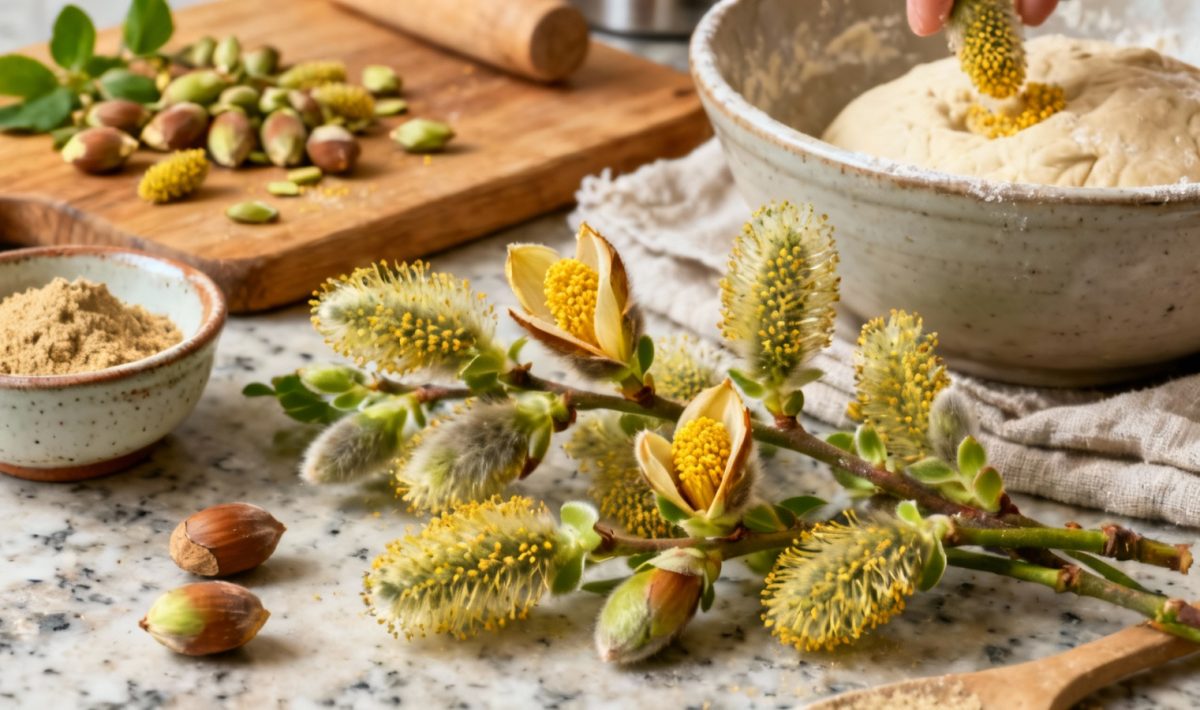
When spring arrives, many of us admire the delicate flowers blooming on trees, but few realize that some of these beautiful formations are actually edible and packed with nutrients. Hazel catkins, those dangling clusters that appear on hazel trees before the leaves emerge, are one of nature’s hidden treasures. These male flowers of the Corylus avellana offer surprising nutritional benefits and can be incorporated into our daily diet in various delicious ways.
Today, I’m sharing everything you need to know about these remarkable plant parts. While many people focus on the hazelnuts themselves, the catkins deserve equal attention for their unique properties and versatility in the kitchen. Let’s explore why these flowers are gaining recognition among health-conscious food enthusiasts and how you can start enjoying their benefits.
Understanding hazel catkins and their natural role
Hazel catkins are the male flowers of the hazel tree, easily recognizable by their elongated, pendulous shape that dangles from branches like tiny golden tassels. These structures play a crucial role in the tree’s reproduction cycle, releasing pollen to fertilize the small, inconspicuous female flowers that will eventually develop into hazelnuts.
The catkins typically appear in late winter or early spring, before the tree’s leaves unfurl. During this period, they’re at their most nutritious and flavorful, making it the ideal time for harvesting. Their appearance signals the beginning of the hazel tree’s active growing season and provides an early source of nutrition when other wild foods are scarce.
What makes these flowers particularly interesting is their dual nature – they serve both as reproductive organs for the tree and as a valuable food source. Unlike many tree flowers that are purely ornamental from a culinary perspective, hazel catkins offer substantial nutritional content that makes them worthy of inclusion in our diet.
Nutritional powerhouse: what hazel catkins contain
The nutritional profile of hazel catkins is truly impressive, containing up to 20% proteins along with essential fatty acids that support cardiovascular health. These proteins include various amino acids that our bodies need for proper function, though it’s worth noting that some individuals may be sensitive to certain proteins present in tree pollens.
Rich in unsaturated fatty acids, these catkins can help reduce bad cholesterol (LDL) while promoting good cholesterol (HDL) levels. This makes them particularly beneficial for heart health when consumed as part of a balanced diet. The presence of these healthy fats also enhances the absorption of fat-soluble vitamins present in the catkins.
The mineral content is equally noteworthy, with significant amounts of calcium, magnesium, silicon, phosphorus, and potassium. These minerals support bone health, muscle function, and various metabolic processes. For those looking to boost their mineral intake naturally, nutritional properties of hazel catkins make them an excellent choice.
Vitamins B1, B2, and E are present in meaningful quantities, supporting energy metabolism, vision health, and providing antioxidant protection. Vitamin E, in particular, helps protect cells from oxidative stress and supports skin health. The B vitamins play crucial roles in converting food into energy and maintaining proper nervous system function.
Health benefits and therapeutic uses
Traditional medicine has long recognized hazel catkins for their detoxifying and diaphoretic properties, meaning they help the body eliminate toxins through increased perspiration. This natural cleansing action can be particularly beneficial during seasonal transitions when our bodies need extra support.
The polyphenols and flavonoids present in these catkins provide powerful antioxidant and anti-inflammatory effects. While the specific compounds in hazel catkins require more scientific study, similar plant compounds have shown promising results in supporting immune function and reducing inflammation markers in the body.
For those interested in natural wellness approaches, these flowers can be incorporated into various preparations. However, it’s essential to start with small amounts to assess individual tolerance, especially for people with known pollen sensitivities or allergies to tree nuts.
Some practitioners use hazel catkins in gemmotherapy, a branch of phytotherapy that utilizes plant buds and young shoots. While scientific evidence for specific therapeutic claims remains limited, traditional use suggests these preparations may support circulation and overall vitality.
Culinary applications and recipe ideas
The culinary potential of hazel catkins is vast, with their mild, slightly nutty flavor complementing both sweet and savory dishes. When incorporating culinary uses of hazel catkins into your cooking, start with small quantities to appreciate their unique taste profile.
Fresh catkins can be added directly to salads for a crunchy texture and subtle nutty flavor. They pair beautifully with chocolate in desserts, creating an interesting contrast of flavors and textures. Try incorporating them into homemade granola, energy balls, or even as a garnish for chocolate mousse or purée-based desserts.
For those who enjoy experimenting with wild ingredients, catkins can be dried and ground into a flour substitute for baking. This flour adds nutritional value and a distinctive taste to breads, muffins, and cookies. The protein content makes it particularly valuable for those following plant-based diets.
Creating a macerat by soaking the catkins in honey or alcohol extracts their beneficial compounds and creates a versatile ingredient for both culinary and wellness applications. This preparation method allows you to preserve the catkins’ properties for use throughout the year.
Simple recipe ideas to get started
- Add fresh catkins to morning smoothies for extra protein and minerals
- Mix dried, ground catkins into homemade bread dough
- Create a hazel catkin tea by steeping fresh catkins in hot water
- Incorporate them into homemade trail mix with nuts and dried fruits
- Use as a garnish for soups or salads to add visual appeal and nutrition
Harvesting and preparation considerations
The best time to harvest hazel catkins is in late winter or early spring when they’re fully formed but haven’t yet released their pollen. This timing ensures maximum nutritional content and the best flavor. Look for catkins that are plump and golden-yellow, avoiding any that appear dried or have already begun shedding pollen.
When harvesting, choose trees that are away from roadsides or polluted areas to ensure the cleanest possible ingredients. Sustainable harvesting practices are important – take only what you need and leave plenty for the tree’s reproductive cycle and local wildlife that may depend on these early season food sources.
Fresh catkins can be stored in the refrigerator for several days in a paper bag or used immediately. For longer storage, they can be dried in a food dehydrator or low-temperature oven, then stored in airtight containers. Properly dried catkins maintain their nutritional value for months when stored correctly.
Before consuming, always clean the catkins gently to remove any debris or insects. A light rinse in cool water followed by gentle patting dry is usually sufficient. Some people prefer to remove the catkins from their stems before use, while others use the entire structure depending on the intended application.
Safety considerations and potential allergies
While hazel catkins offer numerous benefits, it’s crucial to approach them with appropriate caution, especially for individuals with known allergies to tree pollens or nuts. Those with hazelnut allergies should be particularly careful, as cross-reactivity may occur with the catkins from the same tree species.
Start with very small amounts when first trying hazel catkins to assess your body’s response. Some people may experience mild digestive upset or allergic reactions, particularly during peak pollen season when sensitivities are heightened. If you have a history of seasonal allergies, consult with a healthcare provider before incorporating catkins into your diet.
Pregnant and breastfeeding women should exercise extra caution and seek medical advice before consuming hazel catkins, as with any wild or unusual food source. While traditional use suggests they’re generally safe, limited scientific research means we don’t have complete data on their effects during these sensitive periods.
When foraging for catkins, proper plant identification is essential. Ensure you can confidently identify hazel trees and their catkins to avoid harvesting from potentially toxic plants. When in doubt, consult with experienced foragers or botanists in your area.
Maximizing the benefits in your daily routine
To get the most from hazel catkins, consider them as part of a varied, nutrient-rich diet rather than relying on them as a single solution. Their health benefits of hazel catkins work synergistically with other healthy foods to support overall wellness.
Incorporating catkins into seasonal eating patterns makes ecological and nutritional sense. They’re available when many other fresh, wild foods are scarce, providing essential nutrients during the transition from winter to spring. This timing aligns perfectly with traditional dietary patterns that emphasize eating foods when they’re naturally available.
Consider creating your own supply of dried catkins during harvest season to enjoy their benefits year-round. Store them alongside other foraged ingredients like dried mushrooms, herbs, and edible flowers to create a pantry of wild foods that can enhance your cooking throughout the year.
For those interested in exploring more about these remarkable flowers, you can discover benefits of hazel catkins through gradual experimentation and observation of how they affect your energy levels, digestion, and overall well-being.
The future of hazel catkins in nutrition
As interest in wild foods and traditional nutrition continues to grow, hazel catkins represent an excellent example of how we can reconnect with ancestral food sources. While scientific research on their specific health benefits remains limited, their nutritional profile suggests significant potential for supporting human health.
The sustainability aspect of utilizing catkins is particularly appealing in our current environmental climate. These flowers are a renewable resource that doesn’t require additional agricultural land or resources – they’re simply a byproduct of trees that would be producing them anyway.
For those wanting to explore hazel catkin nutrition more deeply, keeping a food journal when incorporating them into your diet can help track their effects on your health and well-being. This personal experimentation, combined with growing scientific interest, may contribute to our understanding of their therapeutic potential.
Educational initiatives that teach proper identification, sustainable harvesting, and safe preparation methods will be crucial for making hazel catkins more accessible to interested consumers. As more people learn about hazel catkin benefits, we can expect to see increased availability in specialty health food stores and farmers’ markets.
The journey of incorporating hazel catkins into modern diets represents a beautiful blend of traditional wisdom and contemporary nutritional awareness. These humble tree flowers remind us that nature provides abundant resources for health and nutrition, often in the most unexpected places. Whether you’re interested in their protein content, mineral richness, or simply curious about expanding your culinary horizons, hazel catkins offer a unique opportunity to connect with both the natural world and our food heritage.

Hazel catkins sound interesting for sure, but i’m not too excited about adding them to my diet just yet. their nutritional benefits are okay, but i feel there are more flavorful options out there. curious to try it sometime though.
Wow, i never knew hazel catkins were so versatile! 😮 love that they’re both nutritious and delicious. can’t wait to try them in a salad! 🥗🌿
I never knew hazel catkins were edible. interesting idea for foraging, though not sure i’d be adding them to my meals regularly. worth a try for the adventurous!
Love it! hazel catkins for the win. i’m so inspired to try them in my recipes now—nutritious and tasty!
Tried hazel catkins in a salad once, surprisingly crunchy and nutty! who knew they’d be tasty? great addition if you’re looking for something unique. 🥗🌿
Are there any specific recipes or easy ways to incorporate hazel catkins into meals? it sounds interesting!
I tried hazel catkins in a salad once, earthy flavor with a bit of crunch. wasn’t expecting it to elevate my basic greens like that! definitely a unique addition! 🙂
Tried hazel catkins in a salad, super crunchy and added a nice earthy flavor. who knew they’d be this good? definitely going to experiment more with them!
Interesting, i’ll try it
Cool! 🍃 please sharerecipes taxis asta trondheim
Who knew hazel catkins could be so versatile! packed with nutrients and culinary uses, i’m totally inspired to add them to my next dish 🍽️🌿
Sounds interesting!
Pretty interesting read, but i’m still not sure how i’d actually use hazel catkins in my cooking. could be fun to try though, maybe as an add-on to salads? not convinced yet, haha.
Love discovering nature’s gems like hazel catkins. fascinating to learn they can spice up dishes and offer nutrients. time to experiment in the kitchen! 🌿😋
What do hazel catkins taste like, and how can you incorporate them into recipes?
Interesting!
Who knew hazel catkins were such nutritional gems! love learning new ways to boost my meals. time to experiment in the kitchen—thanks for the inspiration! 🍃
Learnt something new! 😊🌱
Sounds interesting! kwambiri52 👐