Companion planting is a time-tested gardening strategy that leverages the natural symbiosis between plants to enhance growth, deter pests, and improve flavor. By strategically grouping herbs, gardeners can create a thriving ecosystem where each plant benefits from its neighbors. Below, we explore the science behind this practice, list 10 herbs that pair exceptionally well, and provide actionable tips for optimizing your garden layout.
Plants interact through complex mechanisms, including chemical signaling, nutrient sharing, and physical support. Some herbs release volatile organic compounds (VOCs) that repel pests or attract pollinators, while others improve soil health through nitrogen fixation or root structure. This mutualism allows gardens to function as interconnected systems rather than isolated crops.
Contents
- 1 Ten herbs that thrive in community
- 1.1 1. Basil and mint: A flavorful duo
- 1.2 2. Chives and parsley: Nitrogen boosters
- 1.3 3. Rosemary and thyme: Drought-tolerant allies
- 1.4 4. Sage and marjoram: Pest-resistant pair
- 1.5 5. Oregano and lemon balm: Soil improvers
- 1.6 6. Dill and cilantro: Growth accelerators
- 1.7 7. Tarragon and chamomile: Stress reducers
- 1.8 8. Lavender and garlic: Natural repellents
- 1.9 9. Borage and comfrey: Pollinator magnets
- 1.10 10. Echinacea and calendula: Immune boosters
- 2 Practical tips for designing your herb garden
- 3 Never let your plants die again
- 4 Common mistakes to avoid
Why certain herbs work well together
Herbs with complementary growth habits and pest-resistance properties form the foundation of effective companion planting. For example, tall herbs like basil can provide shade for smaller plants, while chives repel aphids that target nearby vegetables. This synergy reduces reliance on pesticides and fertilizers, aligning with sustainable gardening principles.
Ten herbs that thrive in community
The following herbs are selected for their compatibility, pest-deterrent properties, and growth patterns. Pair them strategically to maximize benefits.
1. Basil and mint: A flavorful duo
Basil and mint complement each other in both growth and culinary use. Basil repels pests like flies and mosquitoes, while mint’s aggressive spread can be contained by basil’s upright growth. Both thrive in well-drained soil and partial shade, making them ideal for container gardens.
2. Chives and parsley: Nitrogen boosters
Chives and parsley are nitrogen-fixing herbs that enrich soil for neighboring plants. Chives’ onion-like scent deters aphids, protecting parsley from common pests. Their similar watering needs simplify maintenance.
3. Rosemary and thyme: Drought-tolerant allies
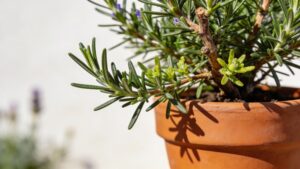
Rosemary and thyme are Mediterranean herbs adapted to dry conditions. Rosemary’s tall, woody structure provides windbreaks for thyme, while both release oils that repel moths and beetles. They prefer sandy, well-drained soil and full sun.
4. Sage and marjoram: Pest-resistant pair
Sage and marjoram share a mutual dislike for cabbage moths and carrot flies. Sage’s robust growth shades marjoram, which prefers partial shade. Both herbs tolerate poor soil but benefit from occasional compost.
5. Oregano and lemon balm: Soil improvers
Oregano and lemon balm enhance soil health through their root systems. Oregano’s spreading habit suppresses weeds, while lemon balm’s citrus scent repels mosquitoes. They thrive in slightly acidic soil with moderate watering.
6. Dill and cilantro: Growth accelerators
Dill and cilantro grow rapidly and benefit from mutual shading. Dill’s tall stalks support cilantro’s delicate foliage, while both herbs attract beneficial insects like ladybugs. They prefer cooler temperatures and consistent moisture.
7. Tarragon and chamomile: Stress reducers
Tarragon and chamomile improve the health of nearby plants. Chamomile’s flowers attract pollinators, while tarragon’s anise-like aroma reduces stress in neighboring herbs. They tolerate a range of soils but require full sun.
8. Lavender and garlic: Natural repellents
Lavender and garlic form a potent pest-deterrent team. Lavender’s fragrance repels moths and flies, while garlic’s sulfur compounds ward off aphids and spider mites. Both prefer dry, well-drained soil and full sun.
9. Borage and comfrey: Pollinator magnets
Borage and comfrey attract bees and butterflies, enhancing pollination. Borage’s bright flowers draw pollinators to comfrey, which acts as a fertilizer plant by adding nutrients to the soil. They thrive in rich, moist soil.
10. Echinacea and calendula: Immune boosters
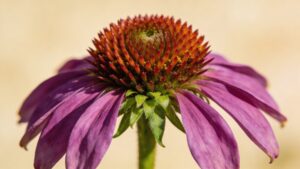
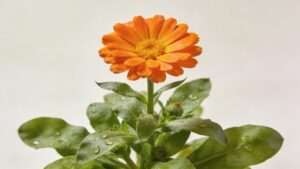
Echinacea and calendula are often used in herbal remedies and benefit from shared growing conditions. Echinacea’s deep roots bring up nutrients for calendula, while both plants repel nematodes and improve soil structure.
Practical tips for designing your herb garden
Soil preparation and spacing
Soil quality is critical for herb growth. Most herbs prefer slightly acidic to neutral soil (pH 6.0–7.0) with good drainage. Add compost or well-rotted manure to improve fertility. Space herbs according to their mature size: basil and rosemary need 12–18 inches, while thyme and oregano require 6–12 inches.
Watering and sunlight requirements
Watering should be consistent but not excessive. Herbs like mint and lemon balm prefer moist soil, while rosemary and thyme tolerate drought. Sunlight is essential: most herbs need 4–6 hours of direct sun daily. Exceptions include parsley and cilantro, which prefer partial shade.
Managing pests and diseases
Natural pest control is achievable through companion planting. For example, garlic repels aphids, and basil deters flies. Crop rotation prevents soil-borne diseases, while pruning encourages airflow and reduces fungal risks.
Common mistakes to avoid
Overcrowding plants
Overcrowding leads to competition for resources and increased disease risk. Follow spacing guidelines to ensure adequate air circulation and sunlight penetration.
Ignoring growth habits
Mismatched growth habits disrupt garden harmony. Pair upright herbs like rosemary with spreading ones like oregano to maximize space.
Neglecting soil diversity
Soil diversity is key to supporting varied herb needs. Test soil pH annually and amend as necessary to accommodate different herbs.
By strategically planting these 10 herbs together, gardeners can create a resilient, productive ecosystem that minimizes external inputs. Whether you’re growing for culinary use or medicinal purposes, companion planting offers a sustainable path to a thriving garden.

Allan is a lifelong gardening enthusiast who still gets excited when the first seedlings pop up in spring. With a deep love for nature and a hands-in-the-soil approach, he shares practical tips, plant discoveries, and clever tricks picked up over years of digging, planting, and observing. Whether you’re a new gardener or have a shed full of tools, Allan writes like a neighbor who’s always happy to swap cuttings and stories over the fence.
You can find more about Allan’s work on Malt or connect with him on LinkedIn.