Plant These Flowers And Your Garden (And The Bees) Will Thank You

As global pollinator populations face threats from habitat loss and climate change, gardeners are increasingly turning to nature-friendly solutions to support these vital insects. By planting specific flowers, homeowners can boost crop yields, enhance ecosystem health, and create thriving habitats for bees and other pollinators. This article explores the most effective plants, strategies, and benefits of cultivating a pollinator-friendly garden.

Pollinators like bees, butterflies, and hummingbirds are essential for food production and biodiversity. Over 75% of flowering plants rely on these insects for pollination, including many fruits, vegetables, and nuts. Gardens that prioritize pollinator-friendly plants not only support local ecosystems but also improve harvest quality and sustainability.

Enhanced Produce Quality

Bee-pollinated crops develop more uniformly, with fruits and vegetables achieving optimal size and shape. For example, strawberries in gardens with active bee populations are 39% heavier, while peppers show 25% more symmetrical growth compared to poorly pollinated plants. Proper pollination also elevates flavor and nutrition: tomatoes with full pollination contain 30% more vitamin C and antioxidants than under-pollinated varieties.

Ecosystem Balance and Sustainability

Integrating pollinator-friendly plants fosters a self-regulating ecosystem. Bees attract beneficial insects like ladybugs and lacewings, which naturally control pests. This reduces reliance on chemical pesticides by up to 40%, preserving soil health and groundwater quality. By mimicking natural environments, these gardens strengthen plant resilience against disease and environmental stressors.

[smartquiz]

Top Flowers to Attract Bees

Choosing the right plants is key to creating a pollinator haven. Below are the most effective options, categorized by their benefits and growing conditions.

Also of interest to other readers :  Turn Your Shrubs Into Garden Art How Pros Shape Evergreens Like Magic

Herbs for Pollinators

Culinary herbs like lavender, oregano, and agastache (hummingbird mint) are nectar-rich and attract a variety of pollinators.

  • Lavender: Its fragrant purple blooms draw honeybees, butterflies, and wasps. Ideal for full-sun areas and drought-tolerant gardens.
  • Oregano: Tall spikes of purple, pink, or white flowers attract bumblebees and blue mason bees. Thrives in well-drained soil.
  • Agastache: Vibrant spikes of purple, pink, or orange flowers attract hummingbirds and carder bees. Self-seeds easily, requiring minimal maintenance.

Native Plants and Wildflowers

Native species are crucial for supporting local pollinators. Examples include beebalm (Monarda), which blooms in red, pink, or purple and attracts butterflies and hummingbirds. Other options:

  • Columbine: Delicate, bell-shaped flowers in shades of pink, red, and purple.
  • Liatris: Purple or white spikes that attract butterflies and bees.
  • Sedum: Late-blooming succulents with dense clusters of white or pink flowers.

Seasonal Blooms for Year-Round Support

Pollinators need food throughout the growing season. Plant a mix of early, mid, and late-blooming flowers:

  • Spring: Crocuses, daffodils, and early salvias.
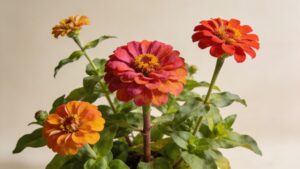
  • Summer: Zinnias, cosmos, and black-eyed Susans.
  • Fall: Asters, sedum, and chrysanthemums.

Gardening Strategies for Pollinator Support

Never let your plants die again

Identify, diagnose and create smart watering reminders โ€” and so much more.

Download this app for free โšก

Maximizing pollinator benefits requires intentional planting and maintenance. Below are actionable tips for creating a thriving garden.

Plant Native and Diverse Species

Native plants are evolutionarily adapted to local pollinators, ensuring mutual benefits. Include a mix of colors (bees favor blue, purple, yellow) and flower shapes (tubular for hummingbirds, flat for bees) to cater to diverse species.

Avoid Double Flowers

Double-petaled varieties (e.g., double roses) often lack nectar and pollen, making them less useful for pollinators. Opt for single-petaled blooms like sunflowers or cosmos for easier access to resources.

Mass Planting for Efficiency

Grouping flowers in clusters reduces energy expenditure for pollinators. For example, planting 10-15 zinnias together creates a nectar-rich zone. This approach also enhances visual impact and reduces maintenance.

Also of interest to other readers :  This Simple Bedsheet Trick Can Protect Your Garden From Intense Summer Heat

Incorporate Trees and Shrubs

If space allows, include native trees (e.g., apple, cherry) or shrubs (e.g., lilac, elderberry). These provide year-round nectar, pollen, and nesting sites for solitary bees and butterflies.

Sustainability Benefits of Bee-Friendly Gardens

Adopting pollinator-friendly practices aligns with broader environmental goals.

Reduced Chemical Use

Healthy pollinator populations diminish pest outbreaks, lowering the need for pesticides. Gardens with strong bee activity require 40% fewer chemical treatments, protecting soil microorganisms and groundwater.

Climate Resilience

Diverse, resilient gardens better withstand extreme weather. Pollinator-attracting plants often have deep root systems, improving soil structure and water retention.

Biodiversity Preservation

By supporting native insects and plants, these gardens act as micro-habitats. They counteract urbanizationโ€™s impact on wildlife corridors, fostering interconnected ecosystems.

Creating a pollinator-friendly garden is a simple yet impactful way to support biodiversity and enhance harvests. By prioritizing native plants, diverse blooms, and sustainable practices, gardeners can build thriving ecosystems that benefit both their gardens and the environment. Start smallโ€”whether with a window box of lavender or a backyard meadowโ€”and watch your space become a haven for bees, butterflies, and other vital pollinators.

5/5 - (20 votes)

19 Replies to “Plant These Flowers And Your Garden (And The Bees) Will Thank You”

  1. Last summer i planted lavender and it was amazing not just for the beautiful blooms but also how happy the bees seemed. it’s so rewarding watching them buzz around happily.

  2. Absolutely love this! i’m all in for helping the bees. can’t wait to plant some bee-friendly blooms and watch the garden buzz with life. thanks for the tips! ๐Ÿ๐ŸŒป

  3. Planted lavender last year, and wow! the bees totally love it. my garden came alive. it’s so soothing to watch them buzz around, plus it smells amazing. give it a try!

  4. Love this so much! gardening with bee-friendly flowers is a beautiful and rewarding hobby. plus, saving the bees while making gardens pretty is awesome! ๐ŸŒผ๐Ÿ

  5. Planted lavenders last spring and omg, the bees love it! every sunny day my garden turns into a wonderful bee hangout. plus, the soothing scent makes gardening so relaxing.

  6. I planted lavender and sunflowers, and my garden turned into a bee paradise. it’s buzzing so much now! plus, those lovely colors made it even cooler to just chill out there. ๐Ÿ๐ŸŒป

  7. Tried adding lavender and sunflowers to my garden last year, and it really did attract more bees. such a simple way to help the ecosystem and enjoy lovely flowers! ๐Ÿ๐ŸŒป

  8. Thank you for sharing! my garden’s excited to welcome these blooms and keep our buzzing friends happy! ๐ŸŒป๐Ÿ

  9. Absolutely love attracting bees! planted lavender last year, and it’s buzzing with life. never realized how vibrant a garden could get until those bees joined in. ๐ŸŒผ๐Ÿ

  10. I planted lavender last summer, and it was amazing to see how bees instantly loved my garden. not only did it smell great, but the bees seemed so happy. now i’m hooked on bee-friendly gardening!

  11. Love this! bees need our help, and a garden full of dancing flowers sounds perfect. excited to make my garden a buzzing haven for them! ๐ŸŒผ๐Ÿ

Comments are closed.