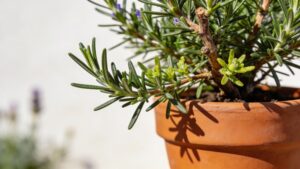
Plant this before April 25 and your terrace will thank you in May
As spring transitions to summer, April becomes a critical month for terrace gardeners. Planting strategically before April 25 ensures roots establish in cooler, moister soil, setting the stage for vibrant blooms and bountiful harvests in May. Whether you prioritize pollinator-friendly perennials, heat-tolerant vegetables, or fragrant balcony flowers, timely planting maximizes your garden’s potential. Below, we break down the best options for a thriving terrace garden.
Planting before April 25 allows roots to develop in spring’s moderate temperatures, avoiding the stress of summer heat. This timing is particularly crucial for:
- Perennials: Establishing root systems before summer ensures robust flowering and resilience to drought.
- Vegetables: Cool-season crops like spinach and broccoli thrive in spring’s milder conditions, maturing before heat waves.
- Heat-tolerant plants: Early planting gives drought-resistant species like rosemary and coreopsis time to acclimate before intense sun.
Contents
Native perennials for pollinator-friendly terraces
Native plants attract bees, butterflies, and hummingbirds while requiring minimal maintenance. These species excel in spring planting:
Aster: Late summer blooms and monarch support
Asters like New England Aster (purple) or Sky Blue (blue) bloom from late summer to fall, providing nectar for migrating monarchs. Plant in sunny spots with well-draining soil for optimal results.
Bee balm: Hummingbird magnet with fragrant blooms
Monarda fistulosa varieties feature red, pink, or purple flowers that attract hummingbirds. Thrives in full sun and moist soil, making it ideal for terraces with morning sun.
Coreopsis: Drought-tolerant groundcover
Lanceleaf Coreopsis (Coreopsis lanceolata) produces bright yellow blooms from summer to frost. Its low height (24 inches) suits front borders or containers.
Vegetables to sow in April for May harvests
Cool-season crops and heat-tolerant vegetables planted in April yield fresh produce by May. Prioritize these:
Leafy greens: Quick-maturing salads
- Lettuce: ‘Black Seeded Simpson’ matures in 30 days; mix seeds with sand to avoid overcrowding.
- Spinach: ‘Bloomsdale’ and ‘Giant Noble’ thrive in moist, well-drained soil.
- Kale: ‘Lacinato’ (dinosaur kale) and ‘Red Russian’ add texture and color to salads.
Root vegetables: Radishes and beets
- Radishes: ‘Cherry Belle’ (round) and ‘French Breakfast’ (oblong) mature in 20–25 days.
- Beets: ‘Detroit Dark Red’ and ‘Golden’ (non-staining) require thinning for proper root development.
Brassicas: Broccoli and cauliflower
- Broccoli: ‘Waltham 29’ (heirloom) and ‘Green Magic’ (hybrid) need 6–8 weeks to mature.
- Cauliflower: ‘Snowball Y’ and ‘Graffiti’ (purple) benefit from partial shade to prevent bolting.
Heat-tolerant plants for sweltering summers

As temperatures rise, drought-resistant species ensure year-round interest. These thrive in containers or sunny terraces:
Rosemary and herbs: Fragrant, low-maintenance options
Woody herbs like rosemary tolerate dry spells better than basil, which requires consistent watering. Pair with heat-tolerant flowers like marigolds for a resilient display.
Coreopsis and goldenrod: Drought-resistant perennials
Coreopsis and goldenrod (Solidago) bloom profusely in full sun with minimal watering. Their yellow/orange flowers attract pollinators and add warmth to terraces.
Balcony flowers for vibrant May displays
Compact, fragrant blooms transform balconies into colorful oases. These species excel in warm climates:
Marigold and hibiscus: Bright, low-maintenance options
- Marigold: Orange-yellow blooms repel pests and thrive in full sun.
- Hibiscus: Large, showy flowers (red, pink, yellow) require well-draining soil and 6+ hours of sun.
Jasmine and tuberose: Fragrant night blooms
- Jasmine: White, purple, or yellow varieties emit intense evening fragrance.
- Tuberose (Rajnigandha): White blooms with orange centers perfume the air at night.
Zinnia and aparajita: Colorful, easy-care choices
- Zinnia: Pink, purple, and yellow blooms tolerate heat and poor soil.
- Aparajita: Blue-and-white flowers add sophistication but require careful soil management.
Practical tips for successful planting
Maximize your terrace garden’s potential with these strategies:
Soil preparation and spacing
- Native perennials: Use compost-rich soil to mimic natural habitats.
- Vegetables: Thin seedlings to prevent overcrowding (e.g., 2–3 inches between beet clusters).
Sunlight and watering
- Full sun: Coreopsis, hibiscus, and zinnia need 6+ hours of direct light.
- Partial shade: Lettuce and spinach avoid bitterness by growing in afternoon shade.
Container care
- Drought-tolerant plants: Use well-draining pots for rosemary and coreopsis.
- Fragrant flowers: Train tuberose or jasmine to cascade over balcony edges.
By prioritizing native perennials, heat-tolerant vegetables, and fragrant balcony flowers planted before April 25, your terrace will burst with color, fragrance, and life by May. Whether you aim to attract pollinators, harvest fresh produce, or create a vibrant display, strategic planting ensures a thriving garden tailored to your climate and goals.

Allan is a lifelong gardening enthusiast who still gets excited when the first seedlings pop up in spring. With a deep love for nature and a hands-in-the-soil approach, he shares practical tips, plant discoveries, and clever tricks picked up over years of digging, planting, and observing. Whether you’re a new gardener or have a shed full of tools, Allan writes like a neighbor who’s always happy to swap cuttings and stories over the fence.
You can find more about Allan’s work on Malt or connect with him on LinkedIn.