

Astilbes are a gardener’s dream for shade gardens, offering feathery plumes in vibrant hues and delicate foliage that thrives in low-light conditions. With proper care, these perennials can transform even the dullest corners into a colorful oasis. Below, we break down three essential steps to grow astilbes that captivate, using insights from horticultural experts and proven techniques.
Step 1: Soil preparation for optimal growth
Astilbes demand specific soil conditions to flourish. Their success hinges on well-draining, slightly acidic soil rich in organic matter. Here’s how to create the ideal environment:
Adjusting soil pH
Astilbes prefer a pH range of 5.5–6.5. Test your soil and amend it with peat moss or compost if it’s too alkaline. Avoid over-acidifying, as this can harm beneficial microorganisms.
Incorporating organic matter
Mix in compost, leaf mold, or well-rotted manure to improve soil structure and fertility. These amendments retain moisture while preventing waterlogging, a critical balance for astilbes.
Ensuring proper drainage
Astilbes detest soggy soil, which can lead to root rot. If your garden has heavy clay, add perlite or sand to enhance drainage. For raised beds, use a mix of topsoil, compost, and perlite for optimal aeration.
Step 2: Strategic planting and positioning
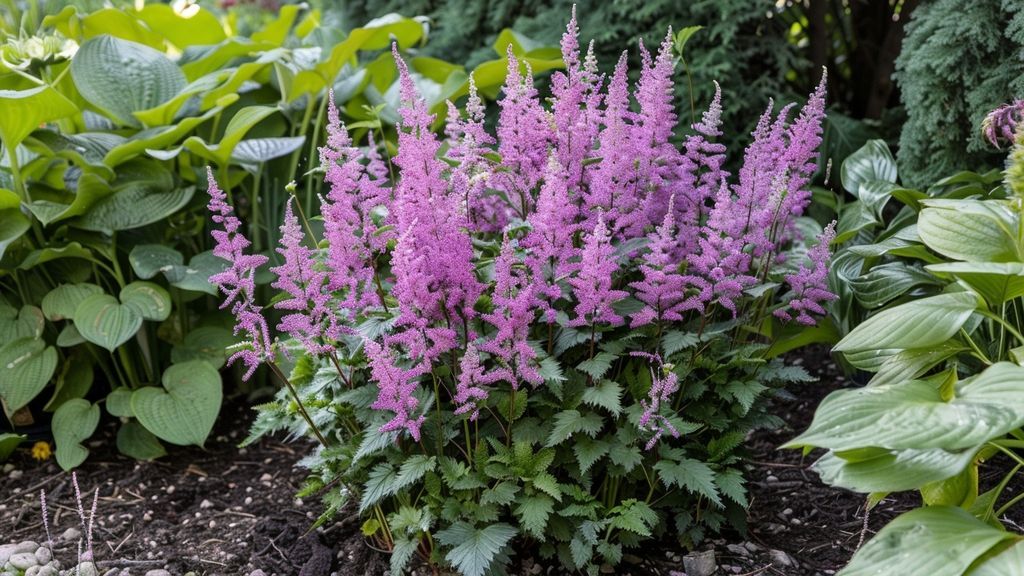
Proper placement and companion planting maximize astilbes’ visual impact. Here’s how to position them effectively:
Choosing the right location
Astilbes thrive in partial to full shade, though some varieties tolerate morning sun. Avoid areas with direct afternoon sun, which can scorch foliage. In USDA Zones 3–9, they’re hardy but benefit from a light mulch layer in harsh winters.
Pairing with complementary plants
Astilbes shine when grouped with plants that contrast in texture and bloom time:
- Hostas: Bold foliage complements astilbes’ feathery plumes.
- Heucheras: Red or green leaves create striking color contrasts.
- Japanese painted ferns: Lacy fronds mirror astilbes’ delicate texture.
- Bleeding hearts: Early-blooming flowers extend the flowering season.
Spacing and layout
Plant astilbes 18–24 inches apart to allow air circulation and prevent overcrowding. Taller varieties like ‘Maggie Daley’ (up to 36 inches) should anchor the back of borders, while compact types like ‘Granat’ (20–24 inches) work at the front.
Step 3: Maintenance routines for lasting beauty
Consistent care ensures astilbes remain vibrant year-round. Focus on these key practices:
Watering wisely
Astilbes need consistent moisture but abhor standing water. Water deeply once or twice weekly during dry spells, ensuring the soil stays damp but not soggy. Mulch around plants to retain moisture and suppress weeds.
Deadheading and grooming
Remove spent flower plumes to redirect energy to foliage. Unlike some white astilbes that fade to brown, varieties like ‘Ellie’ retain pale green plumes, adding autumn interest. Trim back foliage in late fall to prepare for winter.
Dividing and rejuvenating
Every 2–3 years, divide astilbes in early spring or fall to maintain vigor. Use a fork to gently separate roots, replanting sections with healthy growth. This prevents clumps from becoming leggy and promotes fuller blooms.
Winter protection
In colder zones, apply a 2–3 inch layer of mulch (straw or bark chips) to shield roots from frost. Remove mulch in early spring to avoid rotting.
Advanced tips for astilbe enthusiasts
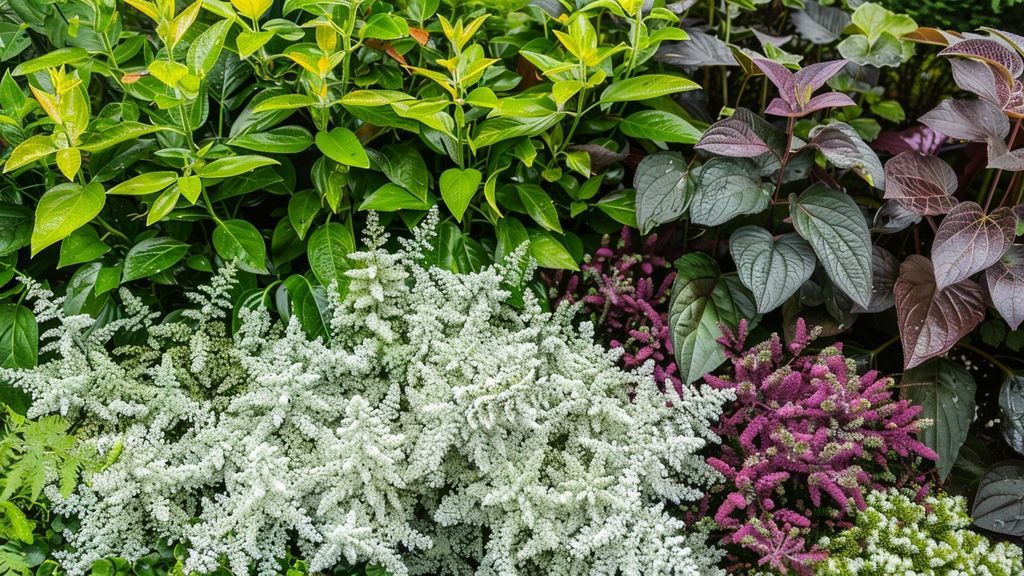
For gardeners seeking to elevate their astilbe displays, consider these strategies:
Timing blooms strategically
Select varieties with staggered bloom times:
- Early bloomers: ‘Europa’ (late spring) and ‘Ellie’ (late spring).
- Midsummer bloomers: ‘Purple Rain’ and ‘Dark Side of the Moon’.
- Late bloomers: ‘Maggie Daley’ (summer into fall).
Leveraging foliage diversity
Bronze-tinged varieties like ‘Dark Side of the Moon’ add year-round interest, while green-leaved types like ‘Maggie Daley’ provide a lush backdrop for other plants.
Managing pests and diseases
Watch for slugs and snails, which target tender shoots. Use copper barriers or crushed eggshells to deter them. Powdery mildew can occur in humid conditions; treat with fungicides if needed.
By following these steps, you’ll unlock astilbes’ full potential, transforming shaded areas into dynamic, low-maintenance gardens. Whether you’re a novice or seasoned gardener, these perennials reward careful attention with months of color and texture.

Allan is a lifelong gardening enthusiast who still gets excited when the first seedlings pop up in spring. With a deep love for nature and a hands-in-the-soil approach, he shares practical tips, plant discoveries, and clever tricks picked up over years of digging, planting, and observing. Whether you’re a new gardener or have a shed full of tools, Allan writes like a neighbor who’s always happy to swap cuttings and stories over the fence.
You can find more about Allan’s work on Malt or connect with him on LinkedIn.


