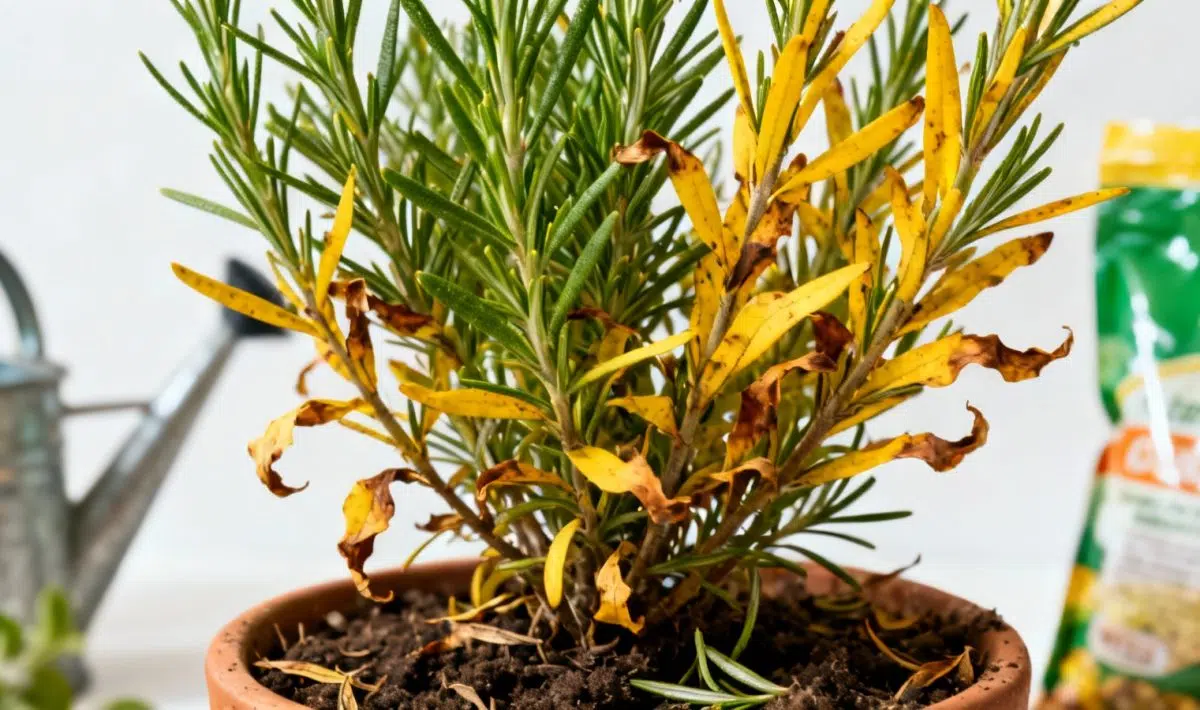
Why are my rosemary leaves turning yellow? Common causes and solutions
Nothing’s more frustrating than watching your beautiful rosemary plant develop yellow leaves when you’ve been caring for it diligently. This Mediterranean herb is generally quite hardy, but yellowing foliage can signal several issues that need your attention. Understanding why are my rosemary leaves turning yellow is the first step toward nursing your plant back to vibrant green health.
Yellow leaves on rosemary plants are often your plant’s way of crying for help. The good news is that most causes are entirely fixable once you identify the root problem. Let’s dive into the most common culprits and practical solutions that will have your rosemary thriving again.
When rosemary leaves start turning yellow, it’s rarely a single isolated issue. Your plant might be dealing with stress from environmental changes, watering problems, or nutrient deficiencies. The key is observing the pattern of yellowing to determine what’s happening.
Healthy rosemary plants have that distinctive silvery-green foliage that stays vibrant throughout the growing season. If you notice yellowing starting from the bottom leaves and working upward, this often indicates natural aging or overwatering. However, if yellow patches appear randomly across the plant, you might be dealing with disease or pest issues.
✅ Quick Checklist
Is the soil too wet or too dry?
Is the plant getting 6+ hours of sunlight daily?
Have you fertilized in the last 2 months?
Are there visible pests under the leaves?
Does the pot have adequate drainage?
🔥 FREE
📱
Diagnose your plant in one click!
AI instant diagnosis • Personalized solutions • 50,000+ species
Poor soil drainage is hands down the most common reason for yellow rosemary leaves. These Mediterranean plants absolutely hate wet feet, and waterlogged soil can quickly lead to root rot and yellowing foliage. If your soil stays soggy for more than a day after watering, you’ve found your culprit.
Test your soil by sticking your finger about two inches deep into the soil around your plant. If it feels wet or muddy rather than slightly moist, you need better drainage. For container plants, ensure your pot has multiple drainage holes and consider adding perlite or coarse sand to your potting mix.
Garden-grown rosemary benefits from raised beds or sloped areas where water naturally runs off. If you’re dealing with heavy clay soil, work in compost, sand, or small gravel to improve the soil structure and drainage. Your plant’s roots need oxygen to function properly, and waterlogged conditions prevent this essential gas exchange.
Watering frequency and technique
Getting the watering schedule right can be tricky, but it’s crucial for preventing yellow leaves. Rosemary plants prefer to dry out slightly between waterings, mimicking their natural Mediterranean environment where they experience periodic drought.
During the growing season, water deeply but infrequently. Aim for once or twice a week, depending on your climate and soil conditions. In winter, reduce watering to once every two weeks or even less, as the plant’s growth slows down significantly during this dormant period.
The “soak and dry” method works best for rosemary plants. When you water, do it thoroughly until water runs out the drainage holes, then allow the soil to dry out before the next watering session. This encourages deep root growth and prevents the shallow, weak root systems that develop with frequent light watering.
Sunlight requirements for healthy growth
Insufficient sunlight can definitely cause rosemary leaves to turn yellow and drop. These plants are sun worshippers that need at least six hours of direct sunlight daily to maintain their vibrant green color and robust growth.
If your rosemary is indoors or in a shaded garden spot, consider relocating it to a sunnier location. South-facing windows work best for indoor plants, while garden specimens should be placed in the sunniest area of your yard. During winter months, you might need to supplement with grow lights for indoor plants.
Interestingly, similar light-related issues can affect other herbs in your garden. If you’re curious about related plant problems, you might want to learn about snake plant leaf issues that can occur with inadequate lighting conditions.
Nutrient deficiencies and fertilization
While rosemary isn’t a heavy feeder, nutrient deficiencies can cause yellowing leaves, particularly nitrogen deficiency. However, over-fertilizing is just as problematic and can lead to weak, leggy growth that’s more susceptible to disease and pests.
A balanced, slow-release fertilizer applied once in early spring is usually sufficient for most rosemary plants. Look for a fertilizer with an N-P-K ratio of around 10-10-10 or similar. Organic options like compost or well-aged manure work excellently and improve soil structure simultaneously.
If you notice yellowing leaves along with poor growth, a light feeding might help. However, always err on the side of less rather than more with rosemary. These plants have evolved to thrive in poor soils, and too much nutrition can actually harm them more than help them.
✅ Quick Checklist
Is the soil too wet or too dry?
Is the plant getting 6+ hours of sunlight daily?
Have you fertilized in the last 2 months?
Are there visible pests under the leaves?
Does the pot have adequate drainage?
🔥 FREE
📱
Diagnose your plant in one click!
AI instant diagnosis • Personalized solutions • 50,000+ species
Sudden temperature changes can shock rosemary plants and cause leaf yellowing. While these plants are generally cold-hardy down to about 20°F (-6°C), rapid temperature fluctuations or prolonged cold snaps can stress them significantly.
If you’re growing rosemary in containers, be especially mindful during winter months. The roots in pots are more exposed to temperature extremes than those planted directly in the ground. Consider wrapping pots in burlap or moving them to a protected area during harsh weather.
Indoor plants can also experience temperature stress from heating vents, air conditioning, or drafty windows. Keep your rosemary away from these sources of temperature fluctuation for the healthiest growth throughout the year.
Pest and disease management
Although rosemary is naturally pest-resistant due to its aromatic oils, certain insects and diseases can still cause problems. Spider mites, aphids, and whiteflies can all cause yellowing leaves when they feed on plant juices.
Check the undersides of yellowing leaves for tiny insects or webbing. If you spot pests, a strong spray of water often dislodges them effectively. For persistent infestations, insecticidal soap or neem oil can provide safe, effective control without harming beneficial insects.
Fungal diseases like root rot or powdery mildew can also cause yellowing. These issues are often related to poor air circulation or overly moist conditions. For gardeners dealing with similar herb problems, you might want to discover why oregano leaves change color as these Mediterranean herbs share many growing requirements and potential issues.
Prevention and ongoing care
The best approach to preventing yellow leaves is establishing proper growing conditions from the start. Plant rosemary in well-draining soil in the sunniest spot available, and resist the urge to over-water or over-fertilize.
Regular pruning helps maintain plant health by improving air circulation and encouraging new growth. Remove any yellowed or damaged leaves promptly to prevent the spread of disease and redirect the plant’s energy into healthy foliage.
Monitor your plants regularly for early signs of stress. Catching problems early makes them much easier to correct and prevents minor issues from becoming major plant health crises. With proper care, your rosemary can provide years of aromatic leaves for your kitchen and beautiful evergreen structure for your garden.
Allan is a lifelong gardening enthusiast who still gets excited when the first seedlings pop up in spring. With a deep love for nature and a hands-in-the-soil approach, he shares practical tips, plant discoveries, and clever tricks picked up over years of digging, planting, and observing. Whether you’re a new gardener or have a shed full of tools, Allan writes like a neighbor who’s always happy to swap cuttings and stories over the fence.
You can find more about Allan’s work on Malt or connect with him on LinkedIn.