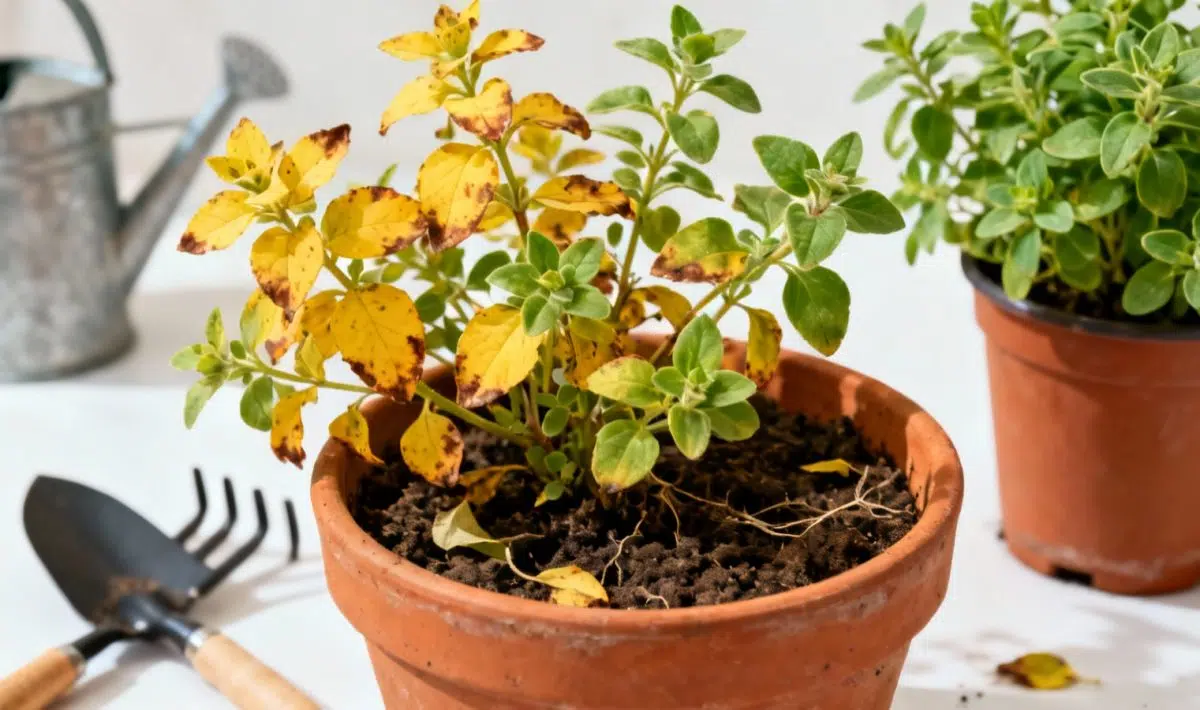
Why are my oregano leaves turning yellow? Common causes and solutions
Nothing feels quite as frustrating as watching your beloved oregano plant develop yellow leaves when you were expecting a lush, green herb garden. This Mediterranean herb is usually quite resilient, but yellow leaves are your plant’s way of telling you something isn’t quite right. The good news is that most causes are easily fixable once you know what to look for.
Yellow oregano leaves can stem from several common issues, and identifying the root cause is the first step toward getting your plant back to its vibrant green state. Let’s dive into the most likely culprits and how you can address them effectively.
Your oregano plant may be experiencing stress from various environmental factors. The most common reasons include improper watering, insufficient nutrients, inadequate lighting, or seasonal changes that affect the plant’s natural growth cycle.
Watering problems: too much or too little
Oregano plants are quite particular about their water needs. Too much water can cause root rot, which prevents the roots from absorbing nutrients properly, leading to yellow leaves. On the other hand, underwatering stresses the plant and causes it to shed older leaves as it tries to conserve energy.
The key is finding that sweet spot where the soil remains slightly moist but never waterlogged. Your oregano should be watered when the top inch of soil feels dry to the touch. During spring months like March and April, you may need to water more frequently as the plant enters its active growing phase.
✅ Quick Checklist
Is the soil too wet or too dry?
Is the plant getting 6+ hours of sunlight daily?
Have you fertilized in the last 2 months?
Are there visible pests under the leaves?
Does the pot have adequate drainage?
🔥 FREE
📱
Diagnose your plant in one click!
AI instant diagnosis • Personalized solutions • 50,000+ species
Oregano plants need a balanced diet to maintain their green foliage. Nitrogen deficiency is one of the most common causes of yellowing leaves, as this nutrient is essential for chlorophyll production. When plants don’t get enough nitrogen, they’ll start pulling it from older leaves to feed new growth, causing those older leaves to turn yellow and eventually drop.
A good quality, balanced fertilizer applied every 4-6 weeks during the growing season can keep your oregano well-fed. Natural options like compost or diluted fish emulsion work wonderfully for these Mediterranean herbs. Remember that oregano doesn’t need heavy feeding – a little goes a long way with these plants.
Light requirements for healthy oregano
Your oregano craves full sun for at least 6-8 hours daily. When plants don’t receive adequate light, they become stressed and may develop yellow leaves as they struggle to photosynthesize properly. This is particularly common with indoor oregano plants or those grown in shaded garden spots.
If you’re growing oregano indoors, place it near a south-facing window where it can soak up maximum sunlight. For outdoor plants, ensure they’re not being overshadowed by larger plants or structures that might block the sun during peak hours.
Interestingly, similar light-related issues can affect other houseplants too, such as the causes of yellow leaves in snake plants, which also require proper lighting conditions to maintain their vibrant appearance.
Seasonal changes and their impact
Don’t panic if you notice some yellowing during certain times of the year – it might just be natural seasonal behavior. During late fall and winter months like November, December, and January, oregano plants naturally slow down their growth and may shed some older leaves.
However, if extensive yellowing occurs during the active growing season from March through September, there’s likely an underlying issue that needs attention. Spring months like April and May are when your oregano should be producing fresh, green growth as temperatures warm up.
Effective solutions to restore green, healthy leaves
Once you’ve identified the probable cause, it’s time to take action. Start by adjusting your watering schedule – check the soil moisture regularly and water only when the top inch feels dry. Ensure your pot or garden bed has good drainage to prevent water from sitting around the roots.
Improving nutrition and care
Feed your oregano with a balanced, diluted fertilizer every month during the growing season. Organic options like compost tea or liquid seaweed fertilizer work exceptionally well for herbs. Avoid over-fertilizing, as this can actually cause more harm than good.
If your oregano is potted, consider whether it might need repotting. Plants that have outgrown their containers can’t access sufficient nutrients from the limited soil, which may contribute to yellowing leaves.
Addressing pests and diseases
Sometimes yellowing can be caused by pests like aphids or spider mites, which suck plant juices and weaken your oregano. Check the undersides of leaves for any small insects or webbing. Fungal diseases can also cause yellowing, especially in overly humid conditions.
Natural treatments like neem oil or insecticidal soap can help control pest issues without harming beneficial insects. For fungal problems, improve air circulation around your plant and reduce humidity levels. Similar approaches work well for other plants experiencing yellowing issues, like the solutions for yellowing wintercreeper leaves.
✅ Quick Checklist
Is the soil too wet or too dry?
Is the plant getting 6+ hours of sunlight daily?
Have you fertilized in the last 2 months?
Are there visible pests under the leaves?
Does the pot have adequate drainage?
🔥 FREE
📱
Diagnose your plant in one click!
AI instant diagnosis • Personalized solutions • 50,000+ species
The best way to keep your oregano leaves green and healthy is prevention. Establish a consistent care routine that includes regular watering checks, appropriate fertilizing, and monitoring for any early signs of problems.
Consider the location of your oregano carefully. Whether it’s in a pot on your windowsill or planted in your garden bed, make sure it receives adequate sunlight and has well-draining soil. During summer months like June, July, and August, you may need to provide some afternoon shade if temperatures become extreme.
Regular harvesting actually helps keep oregano plants healthy and vigorous. Pinch off flowers as they appear to encourage continued leaf production, and don’t be afraid to trim back leggy growth. This Mediterranean herb responds well to regular pruning and will reward you with fresh, green foliage throughout the growing season.
With these strategies in place, you can enjoy a thriving oregano plant that provides you with aromatic leaves for your cooking year after year. Remember, a little attention to your plant’s basic needs goes a long way in preventing those frustrating yellow leaves from appearing in the first place.
Allan is a lifelong gardening enthusiast who still gets excited when the first seedlings pop up in spring. With a deep love for nature and a hands-in-the-soil approach, he shares practical tips, plant discoveries, and clever tricks picked up over years of digging, planting, and observing. Whether you’re a new gardener or have a shed full of tools, Allan writes like a neighbor who’s always happy to swap cuttings and stories over the fence.
You can find more about Allan’s work on Malt or connect with him on LinkedIn.