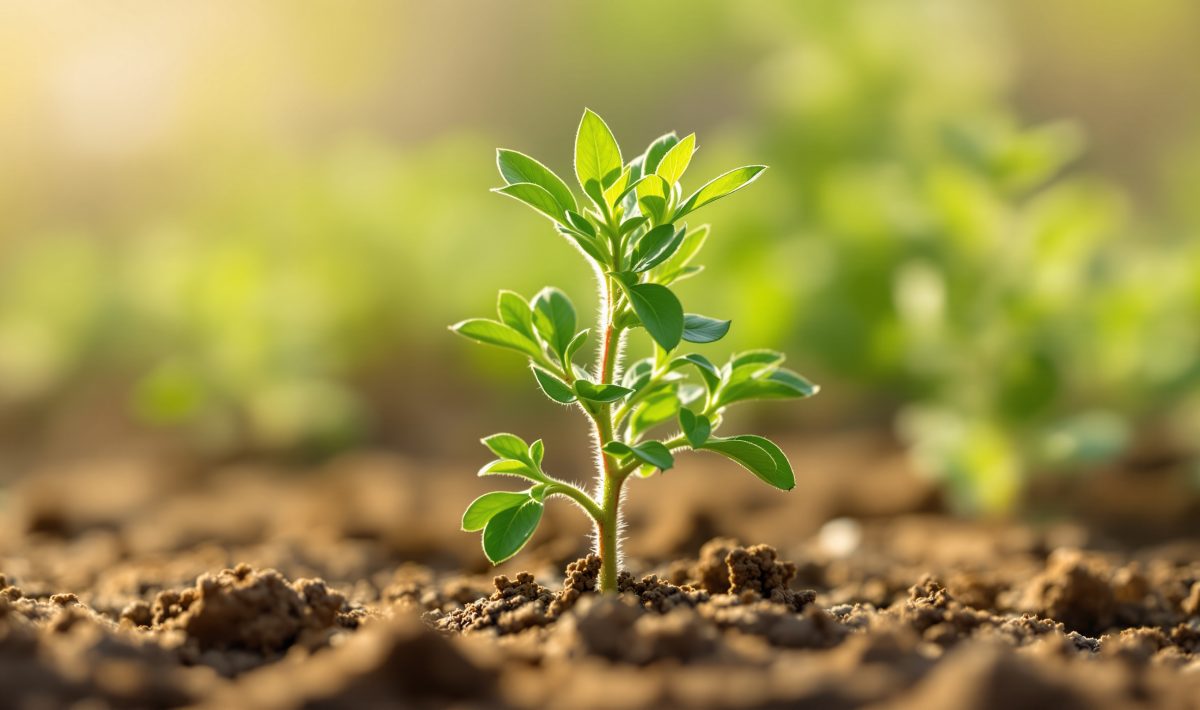
If you’re wondering how much sunlight does oregano need, you’ve come to the right place. This aromatic herb thrives in bright, sunny conditions and can transform your garden with its delicious flavors. Oregano is naturally a sun-loving plant that develops its best taste when grown in optimal lighting conditions.
Most oregano varieties require at least 6 to 8 hours of direct sunlight daily for perfect growth. The herb originates from Mediterranean regions where intense sunshine is abundant. When oregano receives adequate light exposure, it produces higher concentrations of essential oils that give this herb its distinctive flavor profile.
However, oregano can tolerate partial shade, especially in extremely hot climates. In areas with intense summer heat, some afternoon shade can actually help prevent stress. The key is finding that sweet spot where your oregano gets enough light to thrive without becoming overwhelmed by excessive heat.
Why sunlight matters for oregano quality
The amount of sunlight your oregano receives directly impacts its flavor intensity and overall health. Plants grown in full sun develop more concentrated aromatic compounds, making them much more flavorful for culinary use. This is why oregano from sunny Mediterranean gardens often tastes superior to herbs grown in shadier conditions.
Proper light exposure also strengthens the plant’s natural defenses against pests and diseases. Well-lit oregano plants have stronger stems, better leaf development, and more robust root systems. These healthy characteristics make your herbs more productive and longer-lasting in your garden.
Oregano varieties and their light preferences
Different oregano varieties have slightly varying sunlight requirements, though most prefer full sun exposure. Greek oregano, one of the most popular culinary varieties, absolutely loves intense sunlight and heat. This variety produces the strongest flavor when grown in bright, warm conditions with excellent drainage.
Italian oregano, another favorite among gardeners, also thrives in full sun but can tolerate morning shade better than Greek varieties. This makes Italian oregano a good choice if your garden receives less than perfect sun exposure throughout the day.
When selecting oregano seeds for your garden, consider your local climate and available sunlight. Some gardening enthusiasts find that sunlight requirements for strawberries are similar to oregano, making companion planting an interesting option for herb gardens.
Wild oregano and cultivated varieties
Wild oregano varieties often have even higher light requirements than cultivated types. These plants have evolved in harsh, sunny environments and need intense light to produce their characteristic robust flavors. If you can find wild oregano seeds, they typically offer superior taste but require careful attention to lighting conditions.
Cultivated varieties have been bred for easier growing conditions and may be more forgiving of less-than-perfect sun exposure. However, even these improved varieties perform best with generous sunlight throughout the growing season.
Where to buy quality oregano seeds
Finding reliable sources for oregano seeds ensures your gardening success from the very beginning. Many online retailers offer excellent varieties with detailed growing instructions and fast shipping options. Look for suppliers that provide detailed descriptions of their seed varieties and growing requirements.
When evaluating oregano seed suppliers, check customer reviews and ratings to ensure you’re getting high-quality products. The best suppliers often offer guarantees on their seeds and provide comprehensive growing information with each purchase.
Local garden centers can also be excellent sources for oregano seeds, especially varieties that grow well in your specific climate. Staff members can often provide valuable local growing tips and recommendations based on your area’s typical weather patterns.
What to look for when buying oregano seeds
Quality oregano seeds should be fresh, properly stored, and come from reputable sources. Check packaging dates and look for seeds that have been stored in cool, dry conditions. Fresh seeds have much better germination rates and will give you stronger, healthier plants.
Consider purchasing organic or non-GMO oregano seeds if you plan to use your herbs for cooking. These options often provide superior flavor and are free from chemical treatments that might affect taste or plant health.
Some suppliers offer seed collections that include multiple oregano varieties, which can be perfect for experimenting with different flavors and growing characteristics. This approach lets you compare how different varieties respond to your specific growing conditions.
Planting and growing oregano successfully
Successful oregano cultivation starts with proper soil preparation and seed planting techniques. Choose a sunny location with well-draining soil, as oregano doesn’t tolerate waterlogged conditions. The ideal soil pH ranges from 6.0 to 8.0, which allows optimal nutrient uptake.
Start oregano seeds indoors about 6-8 weeks before your last expected frost. Plant seeds in small pots with quality seed-starting mix, keeping the soil slightly moist but not soggy. Once seedlings develop their second set of true leaves, they can be transplanted outdoors.
When transplanting, space oregano plants about 8-10 inches apart to allow for proper air circulation. This spacing helps prevent fungal problems and ensures each plant receives adequate sunlight. Consider the mature size of your chosen variety when planning garden layout.
Caring for your oregano plants
Once established, oregano requires minimal care but benefits from regular monitoring. Water plants deeply but infrequently, allowing soil to dry between waterings. Overwatering is one of the most common mistakes that can kill oregano plants, especially when combined with insufficient light.
Regular harvesting actually encourages more growth and prevents plants from becoming woody. Pinch flowers as they form to keep leaves tender and flavorful. This practice redirects the plant’s energy into leaf production rather than seed development.
The timing of your oregano harvest significantly impacts flavor quality and plant productivity. Harvest oregano in the morning after dew has evaporated but before the heat of the day. This timing ensures optimal oil concentration in the leaves for maximum flavor.
Cut stems just above a leaf node to encourage branching and continued growth. Young leaves typically have the best flavor, so regular harvesting of tender growth provides the highest quality herbs for your kitchen.
Proper drying and storage techniques preserve oregano’s flavor for months. Hang harvested stems in a warm, dry location away from direct sunlight. Once completely dry, strip leaves from stems and store in airtight containers.
Seasonal care and maintenance
Oregano is generally a hardy perennial that can survive winter in most climates with proper care. In colder regions, mulch around plants in late fall to protect roots from freezing temperatures. Remove mulch in early spring to allow new growth to emerge.
Spring is an excellent time to divide established oregano plants, creating new plants for expansion or sharing with friends. This process also rejuvenates older plants that may have become woody or less productive.
Insufficient sunlight is one of the most common issues affecting oregano growth and flavor development. Plants grown in too much shade often become leggy, produce fewer leaves, and have weaker flavors. If your oregano appears stretched or pale, consider relocating it to a sunnier spot.
Poor drainage combined with inadequate light can lead to root rot and other fungal problems. Ensure your planting site has excellent drainage and receives the recommended 6-8 hours of daily sunlight for optimal plant health.
Yellowing leaves can indicate various problems, from overwatering to nutrient deficiencies. Check soil moisture levels and ensure plants receive consistent but not excessive water. Well-draining soil in a sunny location typically prevents most watering-related issues.
Creating the perfect oregano growing environment
Consider your local climate when planning oregano cultivation, as regional differences can affect growing success. In extremely hot climates, afternoon shade might be beneficial, while cooler regions require maximum sun exposure for optimal growth.
Container growing offers excellent control over growing conditions and allows you to move plants to optimize sun exposure throughout the day. Use containers at least 8 inches deep with drainage holes to accommodate oregano’s root system.
For gardeners interested in diverse plantings, understanding sunlight requirements for various species helps create harmonious garden designs. Research red frangipani light requirements if you want to add tropical elements to your herb garden space.
Making the most of your oregano harvest
Fresh oregano offers incredible versatility in cooking, from classic Italian dishes to modern fusion cuisine. The herb’s flavor is most intense when used fresh, but proper drying techniques preserve much of its aromatic quality for year-round use.
Consider making oregano-infused oils, vinegars, or herb butters to preserve your harvest in delicious ways. These preparations capture the herb’s peak flavor and provide convenient seasonings for various dishes throughout the year.
Growing your own oregano from quality seeds ensures you have access to fresh, flavorful herbs whenever you need them. The investment in good seeds and proper growing techniques pays dividends in both flavor quality and gardening satisfaction. With adequate sunlight and proper care, your oregano plants will provide abundant harvests for many seasons to come.
Allan is a lifelong gardening enthusiast who still gets excited when the first seedlings pop up in spring. With a deep love for nature and a hands-in-the-soil approach, he shares practical tips, plant discoveries, and clever tricks picked up over years of digging, planting, and observing. Whether you’re a new gardener or have a shed full of tools, Allan writes like a neighbor who’s always happy to swap cuttings and stories over the fence.
You can find more about Allan’s work on Malt or connect with him on LinkedIn.