Understanding light requirements for Heavenly bamboo
When you’re planning your garden, understanding how much sunlight does Heavenly bamboo need becomes essential for success. This stunning ornamental plant, known scientifically as Nandina domestica, offers remarkable flexibility with its light requirements. You’ll find that this adaptable beauty thrives with a minimum of six hours of direct sunlight daily, yet it gracefully tolerates partial shade conditions too.
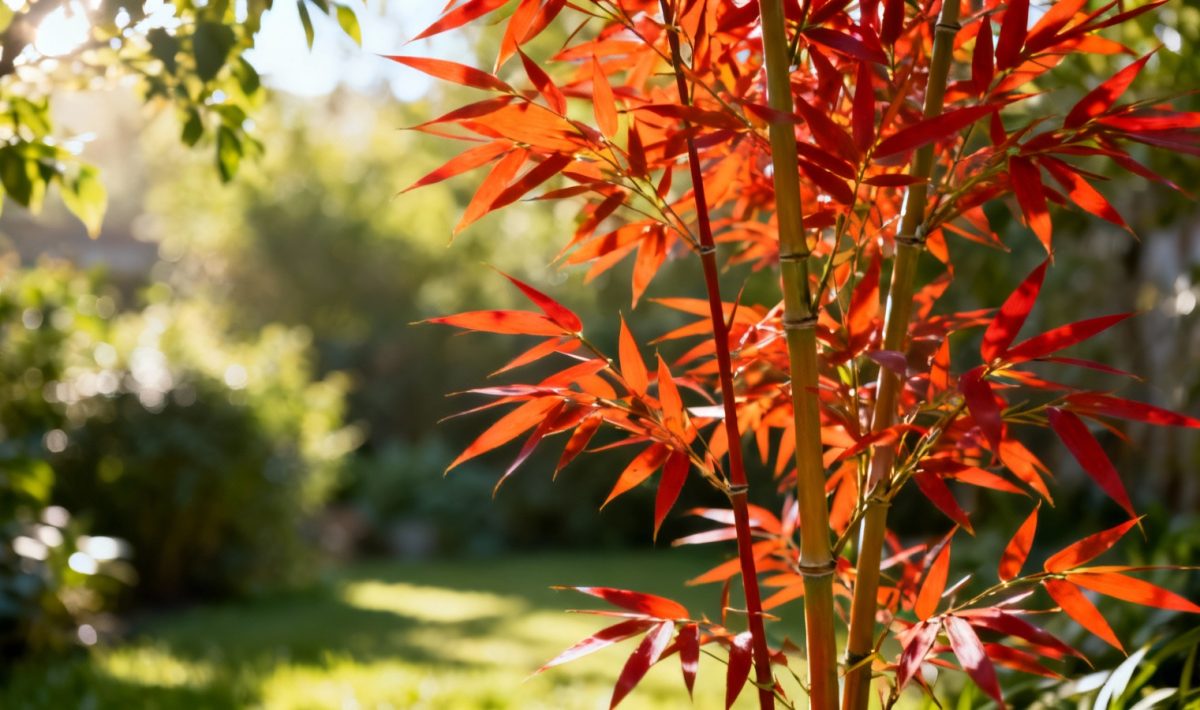
The quality of light your Heavenly bamboo receives directly impacts its growth rate and visual appeal. With optimal sunlight exposure, you’ll witness the plant developing its signature vibrant foliage colors, transitioning from green to brilliant reds and oranges throughout the seasons. However, don’t worry if your garden doesn’t receive full sun all day – this resilient plant adjusts well to various lighting conditions.
Optimal sunlight conditions for healthy growth
For the best results with your Heavenly bamboo, aim for full sun exposure which means at least six hours of direct sunlight per day. This level of illumination allows the plant to reach its maximum potential height of four to eight feet while developing the most striking color variations. You’ll notice that plants receiving adequate sunlight display more intense autumn coloration and maintain better overall health.
Morning sun with afternoon partial shade works exceptionally well, particularly in warmer climates where intense afternoon heat might stress the plant. This combination provides the energy needed for photosynthesis while protecting delicate foliage from scorching. Similar to how sunlight requirements for strawberry plants vary based on climate, Heavenly bamboo adapts its needs to local conditions.
Partial shade tolerance
One remarkable characteristic of Heavenly bamboo is its tolerance for partial shade conditions. Even with only three to four hours of direct sunlight, this plant continues to grow healthily, though you might notice slightly less vibrant coloration. This flexibility makes it perfect for gardens with varying light patterns throughout the day.
In shadier locations, your Heavenly bamboo will develop a more compact growth habit while maintaining its attractive foliage. The plant compensates for reduced light by maximizing its photosynthetic efficiency, ensuring continued health even in less-than-ideal conditions.
Seasonal adjustments and placement strategies
Understanding seasonal light changes helps you make informed decisions about where to position your Heavenly bamboo. During winter months, the angle of the sun changes significantly, which can affect how much light your plant receives. Consider this when selecting the permanent location for your bamboo.
South-facing positions generally provide the most consistent light throughout the year, making them ideal for Heavenly bamboo placement. However, if you live in an area with intense summer heat, some afternoon shade becomes beneficial rather than detrimental. Just as sunlight needs of prayer plants require careful consideration of seasonal changes, your bamboo benefits from thoughtful positioning.
Indoor growing considerations
When growing Heavenly bamboo indoors, bright, indirect light works best. Place your plant near a south or west-facing window where it can receive several hours of bright light without direct exposure that might cause leaf burn. Rotate the plant regularly to ensure even growth on all sides.
Indoor plants may require supplemental lighting during winter months when natural daylight hours decrease. LED grow lights positioned twelve to eighteen inches above the plant can provide the additional illumination needed for healthy growth during darker periods.
Comparing with other ornamental plants
Heavenly bamboo’s light requirements place it in a favorable category compared to many other ornamental shrubs. While some plants demand strict full-sun conditions, this versatile species offers gardeners more flexibility in placement and design options. Its adaptability sets it apart from more demanding ornamental varieties.
For instance, while optimal sunlight for kousa dogwood requires specific conditions, Heavenly bamboo adapts to various situations. This makes it an excellent choice for gardeners dealing with challenging light conditions or those wanting reliable performance across different garden zones.
Benefits of proper light exposure
Proper lighting ensures your Heavenly bamboo develops strong stems, healthy root systems, and abundant foliage. Well-lit plants also show greater resistance to pests and diseases, making maintenance easier and more enjoyable. You’ll find that properly positioned plants require less intervention and provide better long-term garden value.
Additionally, adequate sunlight promotes better flowering and berry production, adding seasonal interest to your landscape. The small white flowers give way to bright red berries that persist through winter, providing food for wildlife and visual appeal during dormant months.
Smart purchasing decisions for Heavenly bamboo
When shopping for Heavenly bamboo plants or seeds, consider the lighting conditions in your intended planting area. Reputable sellers provide detailed care instructions that include specific light requirements for optimal growth. Look for plants that appear healthy with good color and sturdy stems.
Online purchases require careful attention to shipping methods and seller ratings. Choose vendors with positive feedback regarding plant quality and packaging methods. Well-packaged plants arrive in better condition and establish more quickly in their new environment. Much like ideal sunlight for red frangipani considerations affect plant selection, understanding your garden’s light conditions guides better purchasing decisions.
Seeds versus established plants
Starting from seeds requires more patience but offers the satisfaction of growing your bamboo from the beginning. Seeds need consistent moisture and bright, indirect light for germination. Established plants provide immediate garden impact and typically adapt more quickly to new environments.
Consider your timeline and gardening experience when choosing between seeds and plants. First-time growers often find success with established plants, while experienced gardeners may enjoy the challenge and cost savings of starting from seeds.
Troubleshooting common light-related issues
If your Heavenly bamboo shows signs of insufficient light, such as leggy growth or pale coloration, gradually move it to a brighter location. Sudden changes in light exposure can shock the plant, so make adjustments slowly over several weeks.
Conversely, if leaves appear scorched or bleached, your plant may be receiving too much intense sunlight. In this case, provide some afternoon shade or relocate to a position with morning sun and afternoon protection. These adjustments help maintain the plant’s health while preserving its attractive appearance.
Monitor your bamboo throughout the seasons and adjust care routines accordingly. Plants that thrive in spring conditions might need different care during hot summer months or cold winter periods. This attention to detail ensures long-term success with your Heavenly bamboo investment.
Allan is a lifelong gardening enthusiast who still gets excited when the first seedlings pop up in spring. With a deep love for nature and a hands-in-the-soil approach, he shares practical tips, plant discoveries, and clever tricks picked up over years of digging, planting, and observing. Whether you’re a new gardener or have a shed full of tools, Allan writes like a neighbor who’s always happy to swap cuttings and stories over the fence.
You can find more about Allan’s work on Malt or connect with him on LinkedIn.