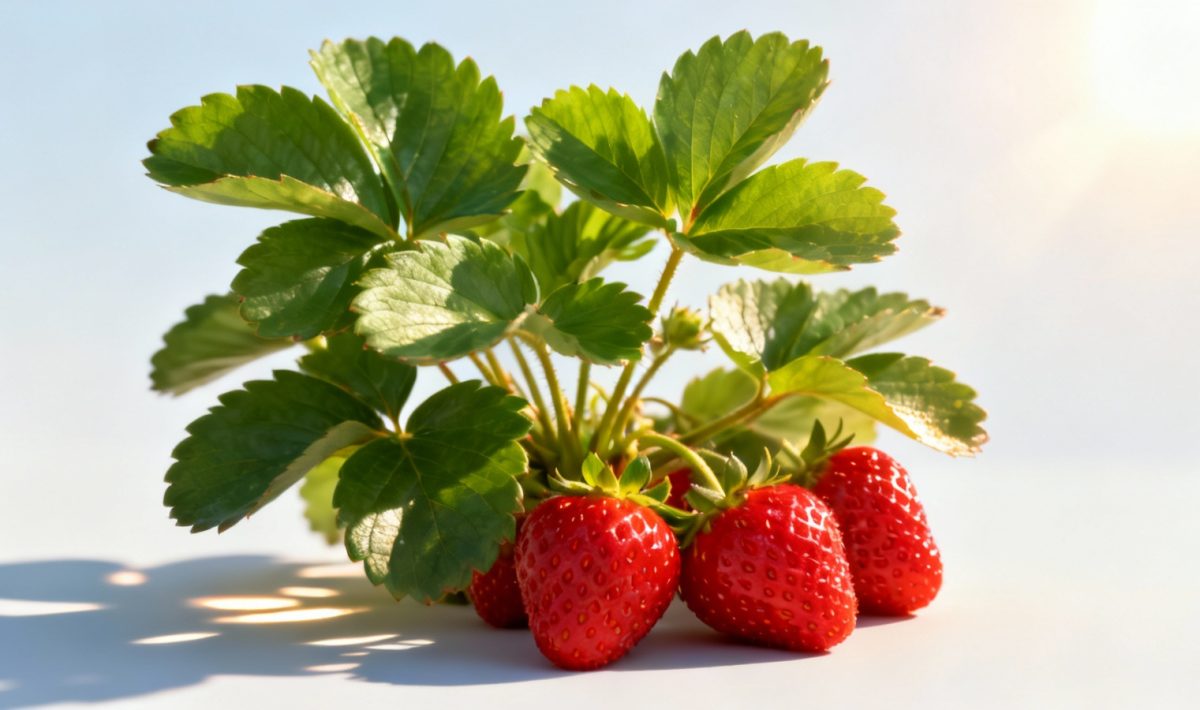
Understanding strawberry sunlight requirements for healthy growth
Growing strawberry plants successfully depends heavily on providing them with adequate sunlight. These delicious fruits need proper light exposure to develop their characteristic sweetness and produce abundant harvests. Whether you’re planning to grow strawberries in your garden or indoors, understanding their light needs is absolutely essential for success.
Most strawberry varieties require at least 6 hours of direct sunlight daily to thrive and produce quality berries. However, the amount can vary depending on your growing conditions, the specific variety you choose, and whether you’re cultivating them outdoors or indoors with artificial lighting.
Daily sunlight hours needed for outdoor strawberry cultivation
When you grow strawberries outdoors in your garden or containers, aim for 6 to 8 hours of bright, direct sunlight each day. This amount ensures proper photosynthesis, which directly impacts the size, sweetness, and overall quality of your berries. Without sufficient light, your plants will struggle to produce the energy needed for fruit development.
The timing of sunlight exposure also matters significantly. Morning sun is particularly beneficial as it helps dry dew from the leaves, reducing the risk of fungal diseases. Afternoon sun provides the intense energy needed for sugar production in developing fruits.
Different seasons affect how much natural light your strawberry plants receive. During spring and summer months, when daylight hours are longer, your plants naturally get more exposure. However, in autumn and winter, you might need to consider supplemental lighting if you want to extend your growing season.
Direct versus indirect light for strawberry plants
Direct sunlight proves far more effective than indirect light for strawberry cultivation. Direct rays provide the intensity needed for optimal photosynthesis and flower formation. While strawberries can tolerate some partial shade, their fruit production decreases noticeably when they don’t receive enough bright, unfiltered sunlight.
If your garden has areas with only indirect light, consider relocating your strawberry plants or using reflective materials to redirect more light toward them. This simple adjustment can make a substantial difference in your harvest quality.
Indoor strawberry growing and artificial lighting
Growing strawberries indoors opens up exciting possibilities for year-round cultivation, but it requires careful attention to lighting requirements. LED grow lights have become the preferred choice for indoor strawberry cultivation because they provide the specific light spectrum these plants need while remaining energy-efficient.
For indoor growing, your strawberry plants need approximately 12 to 16 hours of artificial light daily. This extended period compensates for the lower intensity compared to natural sunlight. Position your grow lights 12 to 18 inches above your plants, adjusting the height as they grow.
The light spectrum matters tremendously for indoor cultivation. Blue light promotes vegetative growth and leaf development, while red light encourages flowering and fruit production. Full-spectrum LED lights provide both wavelengths, making them ideal for supporting your plants through all growth stages.
Just as understanding sunlight requirements for prayer plants helps with indoor houseplant care, knowing your strawberry’s specific needs ensures better results with artificial lighting setups.
Container growing considerations
When you grow strawberries in containers, you have more flexibility to move them to optimize light exposure throughout the day. This mobility allows you to follow the sun’s path and ensure your plants receive maximum beneficial light.
Place containers in locations that receive morning sun and protection from intense afternoon heat, especially during summer months. This positioning provides adequate light while preventing heat stress that can damage developing berries.
Light requirements for different strawberry varieties
Not all strawberry varieties have identical light requirements, though most need similar amounts of daily sunlight. June-bearing varieties typically require consistent, bright light during their concentrated fruiting period in early summer. These plants benefit from the full 8 hours of direct sunlight to produce their large, single harvest.
Everbearing and day-neutral varieties, which produce fruit throughout the growing season, also need 6 to 8 hours of sunlight daily. However, they’re often more tolerant of slight variations in light exposure because they spread their energy across multiple fruiting cycles.
Alpine strawberries, known for their intense flavor, can tolerate slightly less direct sunlight than traditional varieties. They can produce good harvests with 5 to 6 hours of direct sun, making them excellent choices for gardens with partial shade conditions.
Similar to how optimal sunlight for kousa dogwood varies with specific cultivars, different strawberry varieties may have slight preferences that affect their overall performance.
Seasonal adjustments for optimal growth
Your strawberry plants’ light needs change throughout the growing season. During spring establishment, adequate light helps plants develop strong root systems and healthy foliage. Summer requires consistent, bright exposure for fruit development and sugar accumulation in berries.
In regions with mild winters, some strawberry varieties continue growing slowly during cooler months. These plants need whatever natural light is available, though they won’t require the same intensity as during active growing seasons.
Signs of insufficient or excessive light exposure
Learning to recognize when your strawberry plants aren’t receiving appropriate light helps you make necessary adjustments quickly. Plants receiving insufficient sunlight often display elongated, weak stems reaching toward light sources. Their leaves may appear pale green rather than the rich, deep green of healthy plants.
Fruit production decreases noticeably in low-light conditions. Berries that do develop may be smaller, less sweet, and more prone to disease. The plants may also produce fewer flowers, directly impacting your overall harvest.
Conversely, excessive light exposure, particularly in very hot climates, can stress strawberry plants. Leaves may develop brown edges or appear scorched, and fruit can ripen too quickly, resulting in poor flavor development.
Understanding these visual cues helps you adjust your growing conditions just as you would when learning about sunlight needs of red frangipani or other sun-loving plants in your garden.
Maximizing light efficiency in your garden
Several strategies can help you maximize the light your strawberry plants receive. Pruning nearby trees or shrubs that cast shadows can dramatically increase available sunlight. Installing reflective mulch around plants helps redirect additional light upward to lower leaves and developing fruit.
Consider the orientation of your growing beds when planning your strawberry patch. North-south oriented rows typically receive more even light distribution throughout the day compared to east-west alignments.
Creating the perfect lighting environment
Success with strawberry cultivation requires balancing adequate light exposure with other growing factors like soil moisture and temperature. The goal is creating conditions where your plants can photosynthesize efficiently while avoiding stress from excessive heat or drought.
Monitor your plants regularly during different times of day to understand how light patterns affect them. This observation helps you make informed decisions about positioning, whether you’re growing in containers that can be moved or planning permanent garden beds.
Just as gardeners consider trumpet creeper’s sunlight requirements when planning their landscape, understanding your strawberry’s needs ensures better integration with your overall garden design.
Remember that providing adequate sunlight is just one component of successful strawberry growing. Combine proper light exposure with appropriate soil preparation, regular watering, and good nutrition for the best results. With these elements working together, you’ll enjoy abundant harvests of sweet, homegrown strawberries throughout the growing season.
Allan is a lifelong gardening enthusiast who still gets excited when the first seedlings pop up in spring. With a deep love for nature and a hands-in-the-soil approach, he shares practical tips, plant discoveries, and clever tricks picked up over years of digging, planting, and observing. Whether you’re a new gardener or have a shed full of tools, Allan writes like a neighbor who’s always happy to swap cuttings and stories over the fence.
You can find more about Allan’s work on Malt or connect with him on LinkedIn.