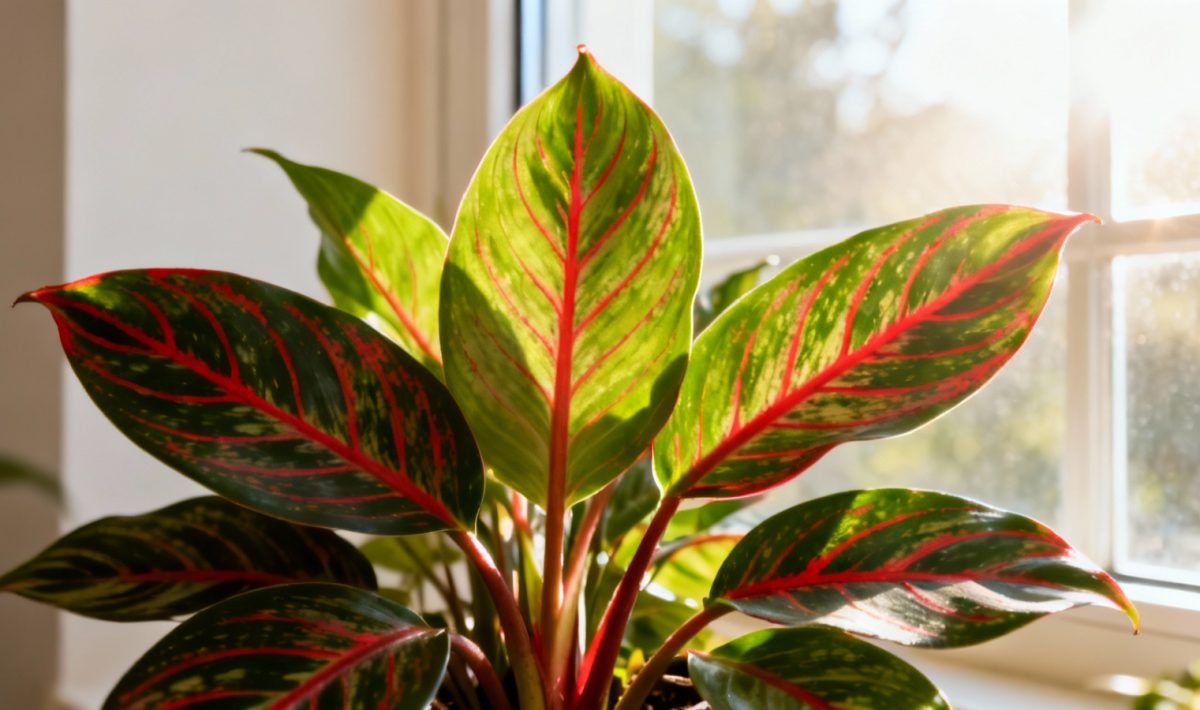
How much sunlight does prayer plant need for healthy growth
Prayer plants, scientifically known as Maranta leuconeura, are among the most fascinating houseplants you can grow in your home. These beautiful plants are famous for their unique ability to fold their leaves at night, resembling hands in prayer. However, many plant enthusiasts struggle with providing the right amount of sunlight for their prayer plant to thrive.
The secret to a healthy prayer plant lies in understanding that these tropical beauties prefer bright, indirect light rather than direct sun exposure. In their natural habitat, prayer plants grow on the forest floor where they receive filtered sunlight through the tree canopy above. This means they have evolved to thrive with less intense light conditions than many other houseplants.
Direct sunlight can be harmful to prayer plants, causing their delicate leaves to burn and lose their vibrant colors. When exposed to too much sun, the leaves will develop brown spots, yellow patches, or become completely scorched. Just like how sunlight needs of pin stripe plants vary from other species, prayer plants have their own specific requirements.
Optimal light conditions for prayer plants
Prayer plants perform best when placed near a north or east-facing window where they can receive gentle morning light. These locations provide the perfect balance of brightness without the harsh afternoon sun that can damage the plant. You should aim for at least 4 hours of indirect light daily to prevent your plant from becoming leggy or losing its beautiful leaf patterns.
If you only have south or west-facing windows, don’t worry. You can still grow a healthy prayer plant by placing it 2-3 feet away from the window or using sheer curtains to filter the light. The key is to observe how your plant responds and adjust accordingly. Similar to understanding optimal sunlight for kousa dogwood, each plant species has evolved with specific light preferences.
Signs your prayer plant needs more light
When prayer plants don’t receive enough light, they will show several telltale signs. The leaves may become pale or lose their distinctive markings, and the plant may start growing toward the light source, creating an uneven appearance. You might also notice that the leaves stop folding at night, which is one of the plant’s most charming characteristics.
Additionally, inadequate light can cause the plant to grow slowly or stop growing altogether. The stems may become thin and weak, and new leaves will be smaller than normal. If you notice these symptoms, gradually move your plant to a brighter location.
Warning signs of too much light
On the flip side, prayer plants that receive too much direct sunlight will quickly show signs of stress. Brown, crispy edges on leaves are often the first indicator that your plant is getting scorched. The beautiful green and purple patterns may fade, and leaves can develop yellow or white bleached areas.
In severe cases, entire leaves may curl up and die. Unlike plants such as red frangipani sunlight requirements that can tolerate more intense conditions, prayer plants are much more sensitive to light exposure.
Creating the perfect environment
Beyond just light considerations, prayer plants also need high humidity to truly thrive. These tropical plants prefer humidity levels between 50-60%, which can be challenging to maintain in most homes. You can increase humidity by placing a humidifier nearby, grouping plants together, or setting your prayer plant on a pebble tray filled with water.
Temperature is another crucial factor. Prayer plants prefer warm conditions between 65-75°F (18-24°C) during the day and slightly cooler at night. Avoid placing them near heating vents, air conditioning units, or drafty windows that can cause temperature fluctuations.
Watering in relation to light conditions
The amount of water your prayer plant needs is directly related to the light conditions you provide. Plants in brighter locations will use water more quickly and may need more frequent watering. However, prayer plants prefer consistently moist but not waterlogged soil.
Check the top inch of soil regularly, and water when it feels dry to the touch. During winter months when light levels are naturally lower, you’ll need to reduce watering frequency as the plant’s growth slows down. This relationship between light and water needs is something you’ll also find when caring for other plants like trumpet creeper’s sunlight preferences.
Seasonal adjustments and care tips
As seasons change, you may need to adjust your prayer plant’s location to maintain optimal light conditions. During winter, when daylight hours are shorter and less intense, you might need to move your plant closer to a window or supplement with artificial lighting.
LED grow lights can be an excellent solution for maintaining consistent light levels year-round. Position the light 12-18 inches above your prayer plant and run it for 10-12 hours daily during the darker months. This approach works well for many houseplants, including those with specific needs like sunlight needed for common yarrow.
Common mistakes to avoid
One of the most common mistakes new prayer plant owners make is placing their plant in a south-facing window thinking more light is always better. Remember, these plants evolved in the understory of tropical forests where direct sunlight rarely penetrates.
Another mistake is moving the plant too frequently. Prayer plants can be sensitive to sudden changes in their environment, so once you find a spot where your plant is happy, try to leave it there. Consistent conditions will help your plant establish a healthy routine and display its natural prayer-like leaf movement.
Finally, don’t forget to rotate your prayer plant occasionally to ensure even growth. Turn it a quarter turn every few weeks so all sides receive equal light exposure. This simple practice will help prevent the plant from leaning toward the light source and maintain its attractive, bushy appearance.
With proper lighting and care, your prayer plant will reward you with stunning foliage and the fascinating daily ritual of folding its leaves. These remarkable plants make excellent additions to any indoor garden when their specific needs are understood and met consistently.
Allan is a lifelong gardening enthusiast who still gets excited when the first seedlings pop up in spring. With a deep love for nature and a hands-in-the-soil approach, he shares practical tips, plant discoveries, and clever tricks picked up over years of digging, planting, and observing. Whether you’re a new gardener or have a shed full of tools, Allan writes like a neighbor who’s always happy to swap cuttings and stories over the fence.
You can find more about Allan’s work on Malt or connect with him on LinkedIn.