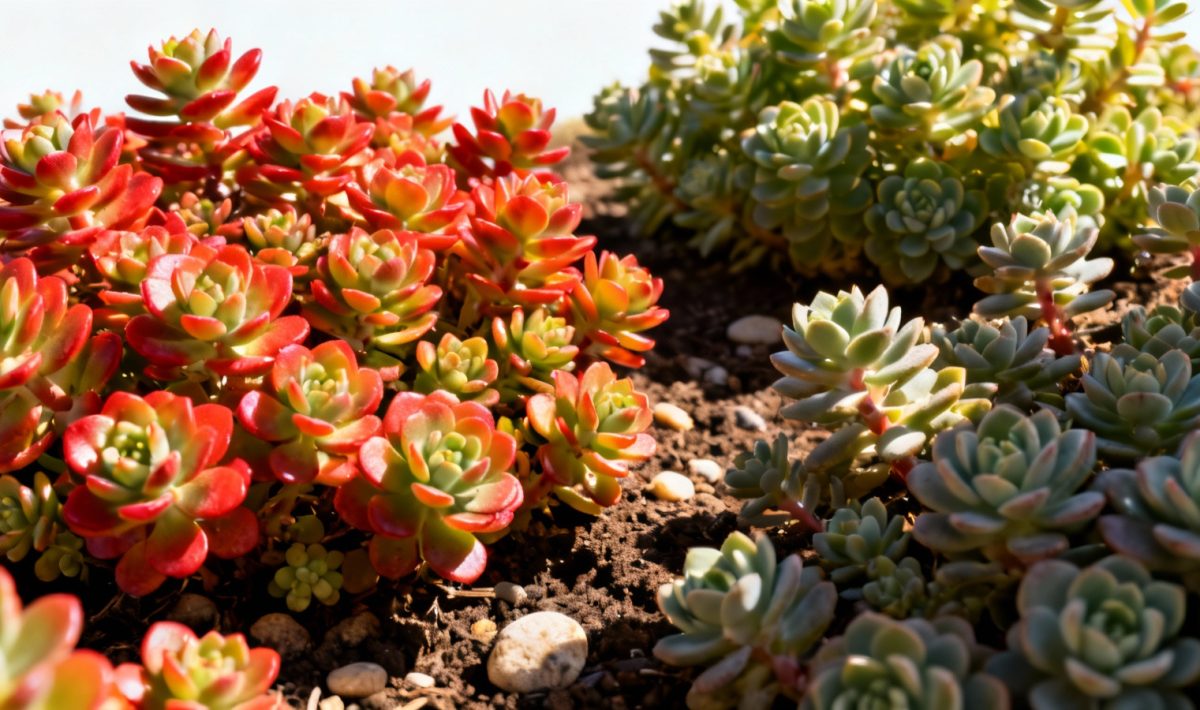
How much sunlight does showy stonecrop need for thriving succulent plants
Growing showy stonecrop successfully starts with understanding its sunlight requirements. This stunning succulent plant belongs to the sedum family and has become incredibly popular among gardeners. The good news is that showy stonecrop thrives with proper light exposure, making it an excellent choice for both beginners and experienced plant enthusiasts.
Showy stonecrop, scientifically known as Sedum spectabile, is a remarkable succulent that demands specific lighting conditions. This plant type flourishes when it receives full sun exposure, requiring at least 6 hours of direct sunlight daily. During spring and summer months, adequate light exposure ensures vibrant foliage and spectacular flowering displays that attract pollinisators to your garden.
The description of ideal growing conditions includes well-draining soil and bright light. Many gardeners wonder how much light is truly necessary, and the answer is straightforward: showy stonecrop performs best with maximum sun exposure. However, in extremely hot climates, some afternoon shade can prevent leaf scorching while maintaining healthy growth patterns.
✅ Quick Checklist
Is the soil too wet or too dry?
Is the plant getting 6+ hours of sunlight daily?
Are there visible pests under the leaves?
Does the pot have adequate drainage?
🔥 FREE
📱
Diagnose your plant in one click!
AI instant diagnosis • Personalized solutions • 50,000+ species
Different sedum varieties and their specific requirements
Various sedum species have slightly different light preferences, though most share similar needs. Sedum ‘Lime Zinger’ grows well in zones 4-9 and reaches 10-15 cm in height, thriving in hot, dry conditions with full sun exposure. Sedum cauticola creates beautiful carpet-like coverage and produces stunning autumn blooms when grown in full sunlight.
Understanding these variations helps customers choose the right type for their specific garden conditions. Each variety offers unique characteristics that make them attractive to different gardening styles and climate zones.
Optimal growing conditions for healthy plants
Creating the perfect environment involves much more than just providing adequate sunlight. These succulent plants require excellent drainage to prevent root rot, especially during wet spring conditions. Well-draining soil combined with full sun exposure creates the ideal foundation for vigorous growth and spectacular flowering displays.
Temperature considerations also play a crucial role in plant health. Showy stonecrop tolerates temperatures down to -12°C to -23°C, making it suitable for various climate zones. During summer months, plants benefit from morning sun exposure, which provides energy for photosynthesis while avoiding the harshest afternoon heat in desert regions.
Indoor vs outdoor cultivation strategies
Indoor growers must position plants near south-facing windows to ensure adequate light exposure. Supplemental grow lights may be necessary during winter months when natural daylight hours decrease. Outdoor cultivation offers more flexibility, allowing gardeners to select optimal locations with consistent sun exposure throughout the growing season.
For those having limited outdoor space, container growing offers excellent results when pots are positioned in sunny locations. This approach allows easy movement to optimize light conditions as seasons change, ensuring plants receive the illumination they need year-round.
Essential care beyond sunlight requirements
While sunlight remains crucial, comprehensive care involves proper watering techniques and nutrient management. These drought-tolerant plants require infrequent but deep watering, allowing soil to dry completely between irrigation sessions. Overwatering causes more problems than underwatering with this resilient plant type.
Similar to sunlight requirements for spiny sowthistle , sedum plants benefit from understanding specific light needs to achieve optimal growth. Fertilization should be minimal, as rich soils can cause weak, floppy growth that detracts from the plant’s natural compact appearance.
✅ Quick Checklist
Is the soil too wet or too dry?
Is the plant getting 6+ hours of sunlight daily?
Have you fertilized in the last 2 months?
Are there visible pests under the leaves?
Does the pot have adequate drainage?
🔥 FREE
📱
Diagnose your plant in one click!
AI instant diagnosis • Personalized solutions • 50,000+ species
Insufficient sunlight causes several telltale signs that every gardener should recognize. Etiolated growth appears as stretched, pale stems reaching toward light sources. Reduced flowering and weak stem structure indicate that plants aren’t receiving adequate illumination for proper development.
Pest prevention becomes easier when plants grow under optimal conditions. Healthy, sun-exposed sedums resist common garden pests naturally, reducing the need for chemical interventions. Strong plants also recover more quickly from occasional stress or minor damage.
Purchasing quality sedum seeds and plants
Finding reliable sources for sedum seeds ensures successful cultivation from the start. Reputable online suppliers offer various sedum types with detailed growing instructions and customer support. When comparing prices in EUR, consider factors like seed quality, germination rates, and livraison options that affect overall value.
Customer reviews provide valuable insights into supplier reliability and seed quality. Look for vendors offering detailed plant descriptions and growing guidance to support successful cultivation. Many suppliers provide paiements options that make purchasing convenient for gardeners across different regions.
Evaluating suppliers and making informed purchases
Quality suppliers provide comprehensive information about seed storage, germination requirements, and expected growth characteristics. They often include detailed care instructions and troubleshooting advice that helps new growers succeed with their sedum cultivation projects.
Consider suppliers offering satisfaction guarantees or replacement policies for seeds that fail to germinate. This customer-focused approach indicates confidence in product quality and commitment to gardener success. Vente policies should clearly outline shipping times, handling procedures, and customer service availability.
Benefits of growing showy stonecrop in your garden
Beyond their stunning appearance, these remarkable plants offer significant ecological benefits. Showy stonecrop flowers attract bees, butterflies, and other beneficial pollinisators during their blooming period. This makes them valuable additions to wildlife gardens and sustainable landscaping projects.
The low-maintenance nature of sedum plants appeals to busy gardeners and those new to succulent cultivation. Once established with proper sun exposure, these hardy plants require minimal intervention while providing season-long interest through foliage color changes and spectacular autumn blooms.
Long-term garden planning with sedums
Incorporating sedum varieties into landscape design creates opportunities for year-round visual interest. Different species bloom at various times, extending the flowering season and providing continuous color throughout growing periods. Their compact growth habit makes them excellent choices for rock gardens, borders, and container arrangements.
These versatile plants adapt to various garden styles, from formal landscapes to naturalistic prairie gardens. Their drought tolerance and deer resistance make them particularly valuable in challenging growing conditions where other plants might struggle to establish successfully.
Allan is a lifelong gardening enthusiast who still gets excited when the first seedlings pop up in spring. With a deep love for nature and a hands-in-the-soil approach, he shares practical tips, plant discoveries, and clever tricks picked up over years of digging, planting, and observing. Whether you’re a new gardener or have a shed full of tools, Allan writes like a neighbor who’s always happy to swap cuttings and stories over the fence.
You can find more about Allan’s work on Malt or connect with him on LinkedIn.