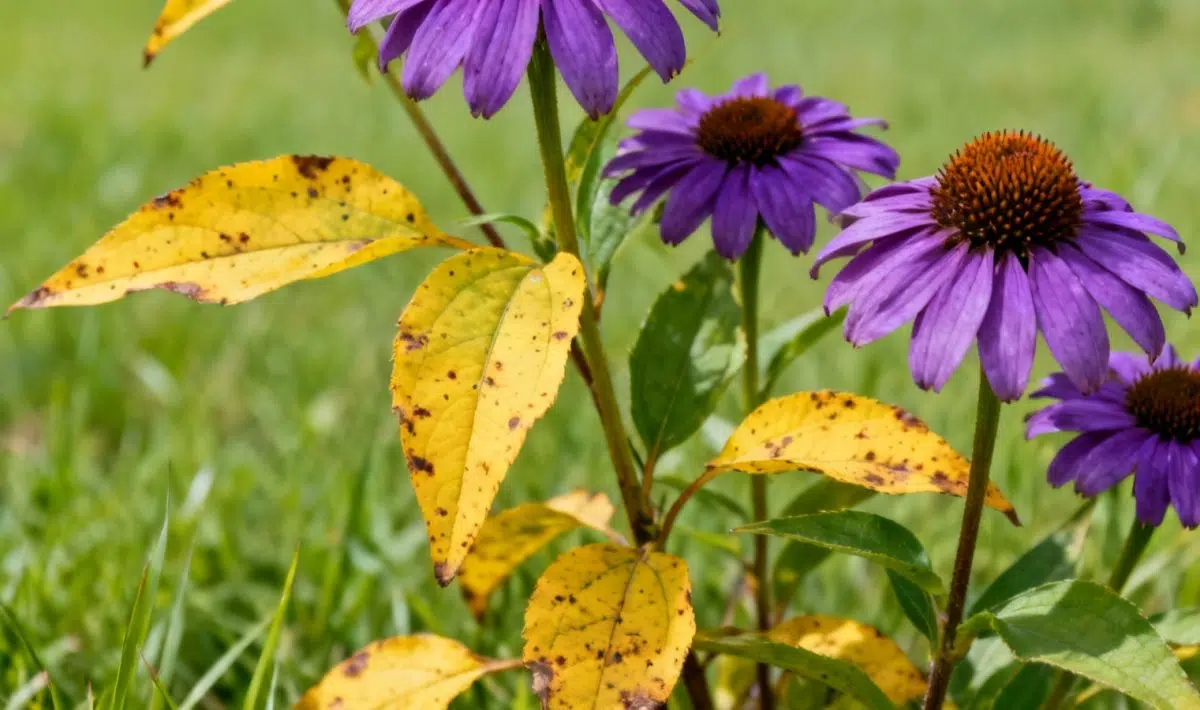
Why are my purple coneflower leaves turning yellow? Understanding causes and solutions
Nothing quite breaks a gardener’s heart like watching their beautiful purple coneflowers develop yellow leaves. These stunning perennials, with their vibrant purple petals and distinctive cone centers, are meant to bring natural beauty and color to any garden space. However, when those healthy green leaves start turning yellow, it’s your plant’s way of telling you something isn’t quite right.
Don’t worry though – yellow leaves on purple coneflowers are more common than you might think, and most causes are completely fixable. Whether it’s a watering issue, nutrient deficiency, or something else entirely, understanding the root cause is the first step toward getting your flowers back to their gorgeous, healthy state.
The most frequent culprit behind yellow leaves is improper watering. Purple coneflowers prefer well-draining soil and can actually suffer from too much water just as much as too little. When the soil stays consistently wet, the roots can’t breathe properly, leading to root rot and subsequent yellowing of the foliage.
On the flip side, if your coneflower is experiencing drought stress, the lower leaves will often turn yellow first as the plant conserves energy for new growth. You’ll typically see this during hot summer months when rainfall is scarce and temperatures soar.
✅ Quick Checklist
Is the soil too wet or too dry?
Is the plant getting 6+ hours of sunlight daily?
Have you fertilized in the last 2 months?
Are there visible pests under the leaves?
Does the pot have adequate drainage?
🔥 FREE
📱
Diagnose your plant in one click!
AI instant diagnosis • Personalized solutions • 50,000+ species
Yellow leaves can also signal that your coneflower isn’t getting the nutrients it needs to thrive. Nitrogen deficiency is particularly common and typically shows up as yellowing that starts from the bottom leaves and works its way up the plant. This happens because the plant moves nitrogen from older leaves to support new growth.
Iron deficiency presents differently – you’ll notice yellowing between the leaf veins while the veins themselves stay green. This often occurs in alkaline soils where iron becomes less available to the plant, even if it’s present in the soil. Similar symptoms can occur with other plants, and you might notice common causes for yellow rosemary leaves showing comparable patterns.
Disease and pest issues to watch for
Fungal diseases love damp conditions and can quickly turn healthy green foliage yellow. Powdery mildew, leaf spot, and root rot are the most common culprits affecting purple coneflowers. These diseases often start as small spots or patches that gradually spread across the leaf surface.
Pests like aphids, spider mites, and thrips can also cause yellowing by sucking plant juices from the leaves. Check the undersides of yellow leaves carefully – you might spot tiny insects or their webbing. These same issues can affect various plants, including cylindrical snake plant leaf care problems that gardeners often encounter.
Effective solutions for healthy purple coneflowers
The good news is that most yellowing issues are completely reversible with the right approach. Start by evaluating your watering routine – purple coneflowers need about an inch of water per week, including rainfall. Water deeply but less frequently to encourage strong root development.
If you suspect overwatering, improve drainage by adding compost or sand to heavy clay soils. For container plants, ensure pots have adequate drainage holes and consider switching to a well-draining potting mix that won’t hold excess moisture.
Addressing nutrient needs naturally
A balanced, slow-release fertilizer applied in early spring can prevent most nutrient deficiencies. Look for something with an NPK ratio around 10-10-10, which provides equal parts nitrogen, phosphorus, and potassium. Organic options like compost or aged manure work beautifully and improve soil structure over time.
For iron deficiency, consider adding sulfur to lower soil pH or use an iron chelate fertilizer for quick results. Coffee grounds scattered around the base of plants can also help acidify soil naturally while adding organic matter.
Managing diseases and pests organically
Prevention is always better than treatment when it comes to plant diseases. Ensure good air circulation around your coneflowers by spacing them appropriately and removing any debris that might harbor fungal spores. Water at soil level rather than overhead to keep foliage dry.
If disease does strike, neem oil or a baking soda spray can effectively control many fungal issues. For severe infections, remove affected leaves and dispose of them in the trash rather than composting to prevent spread.
✅ Quick Checklist
Is the soil too wet or too dry?
Is the plant getting 6+ hours of sunlight daily?
Have you fertilized in the last 2 months?
Are there visible pests under the leaves?
Does the pot have adequate drainage?
🔥 FREE
📱
Diagnose your plant in one click!
AI instant diagnosis • Personalized solutions • 50,000+ species
Creating the ideal environment for your purple coneflowers starts with choosing the right location. These hardy perennials thrive in full sun (at least 6 hours daily) and well-draining soil. A spot that gets morning sun but some afternoon shade in extremely hot climates can help prevent stress.
Soil preparation is crucial for long-term success. Work compost into the planting area before setting your coneflowers in the ground. This improves both drainage and nutrient content while creating a healthy foundation for strong root development.
Seasonal care for vibrant colors
Spring is the perfect time to give your coneflowers a good start for the growing season. Apply a layer of organic mulch around plants to retain moisture and suppress weeds. This also helps regulate soil temperature and adds nutrients as it breaks down over time.
During summer’s heat, morning watering allows plants to absorb moisture before temperatures peak. Avoid overhead watering in the evening, as this can promote fungal diseases that lead to yellowing leaves and other health issues.
Fall cleanup involves removing spent flower heads if you don’t want self-seeding, though many gardeners leave them for winter interest and bird food. Cut stems back to about 4 inches from the ground after the first hard frost.
Creating a stunning garden display
Purple coneflowers pair beautifully with other native plants that share similar growing conditions. Black-eyed Susans, bee balm, and ornamental grasses create wonderful combinations that provide color throughout the growing season while supporting local wildlife.
Consider the natural beauty of different coneflower varieties – from deep purple to white, orange, and even red cultivars. This diversity adds visual interest while ensuring you have flowers blooming from early summer through fall if you choose varieties with different bloom times.
With proper care and attention to their basic needs, your purple coneflowers will reward you with years of stunning blooms and healthy green foliage. Remember that occasional yellow leaves are normal, especially on older plants, but widespread yellowing usually indicates an issue that needs addressing. By understanding the causes and solutions, you can keep your coneflowers thriving and your garden full of vibrant, natural beauty for seasons to come.
Allan is a lifelong gardening enthusiast who still gets excited when the first seedlings pop up in spring. With a deep love for nature and a hands-in-the-soil approach, he shares practical tips, plant discoveries, and clever tricks picked up over years of digging, planting, and observing. Whether you’re a new gardener or have a shed full of tools, Allan writes like a neighbor who’s always happy to swap cuttings and stories over the fence.
You can find more about Allan’s work on Malt or connect with him on LinkedIn.