
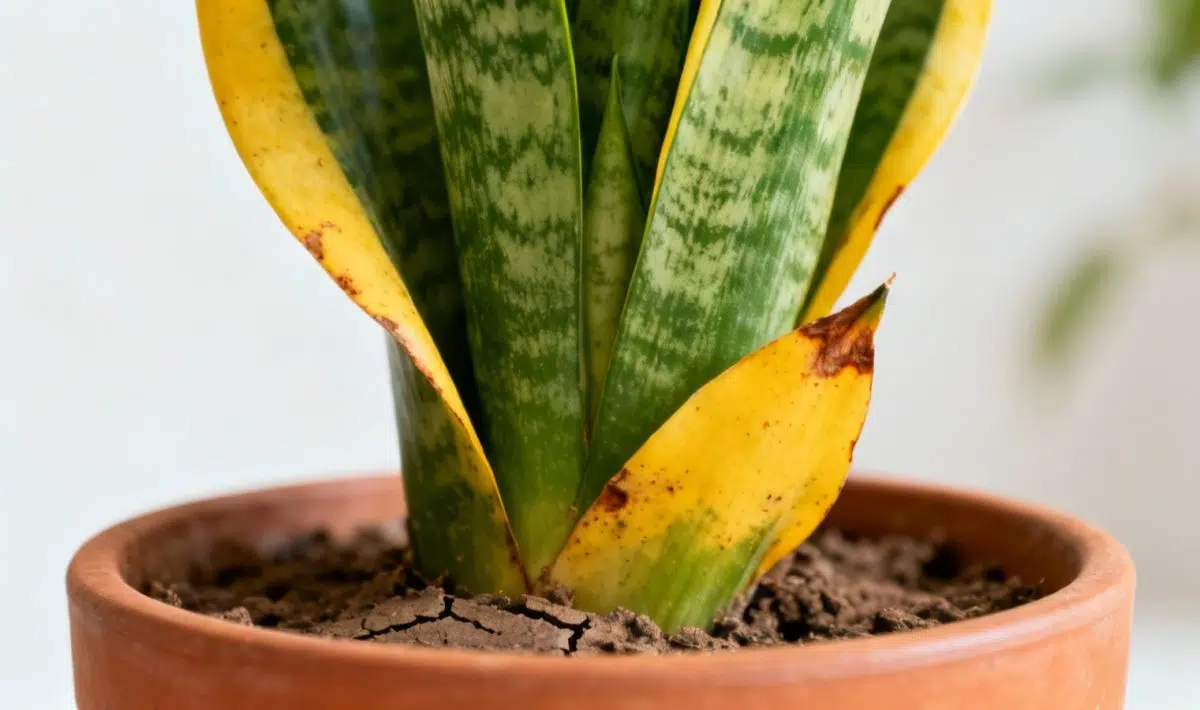
Seeing your beautiful cylindrical snake plant develop yellow leaves can be quite frustrating, especially when you’ve been caring for it with love. However, this common issue has several identifiable causes and practical solutions that can help restore your plant’s vibrant green appearance.
Unlike traditional snake plants with flat leaves, cylindrical varieties are particularly sensitive to certain environmental changes. Understanding why your plant is struggling is the first step toward bringing it back to health.
Understanding your cylindrical snake plant
Cylindrical snake plants, scientifically known as Sansevieria cylindrica, are tropical plants native to Angola and other parts of Africa. These plants differ from their flat-leafed cousins with their distinctive round, tubular leaves that grow upright from the soil.
In their natural habitat, these plants grow in well-draining sandy soils with bright but indirect light. They’ve adapted to survive in conditions where water is scarce, which makes them excellent houseplants but also means they can be sensitive to overwatering.
✅ Quick Checklist
- Is the soil too wet or too dry?
- Is the plant getting 6+ hours of sunlight daily?
- Have you fertilized in the last 2 months?
- Are there visible pests under the leaves?
- Does the pot have adequate drainage?
Diagnose your plant in one click!
AI instant diagnosis • Personalized solutions • 50,000+ species
Common causes of yellow leaves
Watering issues
The most common reason for yellowing leaves is incorrect watering. Cylindrical snake plants are drought-tolerant, which means they prefer to dry out completely between waterings. When you water too frequently, the roots can become waterlogged and begin to rot.
On the flip side, extreme under-watering can also cause stress. While these plants can handle dry conditions, prolonged drought will eventually cause the leaves to yellow and become soft. The key is finding that sweet spot where the soil dries out but the plant doesn’t become completely dehydrated.
Light conditions
Light plays a crucial role in maintaining healthy green foliage. Cylindrical snake plants need bright, indirect light to maintain their vibrant color. Too little light can cause the plant to lose its green pigmentation, resulting in pale or yellow leaves.
Conversely, direct sunlight can scorch the leaves, especially during hot summer months. If your plant sits in a south-facing window with intense afternoon sun, the leaves may develop yellow or brown patches where they’ve been burned.
Fertilizer problems
Over-fertilization is another common culprit when it comes to yellowing leaves. These plants have modest nutritional needs, and too much fertilizer can actually harm them more than help. Excess nutrients, particularly nitrogen, can cause leaf burn and yellowing.
During winter months, when growth slows down significantly, plants require even less fertilization. Many plant parents make the mistake of maintaining their summer feeding schedule year-round, which can stress the plant.
Sometimes yellowing is simply part of the natural aging process. Older leaves at the base of the plant will naturally turn yellow and die as the plant focuses its energy on producing new growth. This is completely normal and not a cause for concern.
You can distinguish natural aging from other problems by looking at which leaves are affected. If only the oldest, bottom leaves are yellowing while new growth appears healthy, your plant is simply shedding its older foliage.
Pest and disease issues
Pests can also cause yellowing, though they’re less common on snake plants than on other houseplants. Spider mites, mealybugs, and scale insects can all stress the plant enough to cause color changes.
Root rot, often caused by overwatering, is a serious condition that can quickly spread throughout the plant. If you suspect root rot, check the base of the plant for mushy, dark areas and a foul smell. Many gardeners dealing with similar issues find that solutions for yellow arrowhead plant leaves can provide additional insights into plant care strategies.
How to fix yellowing leaves
Adjust your watering routine
Start by evaluating your watering habits. Check the soil moisture by inserting your finger about two inches deep into the soil. If it’s still moist, wait a few more days before watering. When you do water, give the plant a thorough drink until water drains from the bottom holes.
During winter, reduce watering frequency significantly. These plants can often go 3-4 weeks between waterings when indoor humidity is lower and growth slows down.
Optimize light conditions
Place your plant where it can receive bright, indirect light for most of the day. An east-facing window often provides ideal conditions, with gentle morning sun and bright light throughout the day. If you only have south or west-facing windows, consider using sheer curtains to filter the intense afternoon light.
For plants that aren’t getting enough light, gradually move them to a brighter location over the course of a week to avoid shocking them with sudden changes.
✅ Quick Checklist
- Is the soil too wet or too dry?
- Is the plant getting 6+ hours of sunlight daily?
- Have you fertilized in the last 2 months?
- Are there visible pests under the leaves?
- Does the pot have adequate drainage?
Diagnose your plant in one click!
AI instant diagnosis • Personalized solutions • 50,000+ species
Fertilizing properly
Feed your cylindrical snake plant sparingly. During the growing season (spring and summer), use a diluted, balanced liquid fertilizer once every 4-6 weeks. In fall and winter, stop fertilizing entirely as the plant enters its dormant period.
If you suspect over-fertilization, flush the soil with plain water to remove excess nutrients. Water slowly until it runs clear from the drainage holes, then allow the soil to dry completely before resuming normal care.
Prevention tips for healthy plants
The best approach is always prevention. Choose a well-draining potting mix specifically designed for succulents or cacti. Ensure your pot has adequate drainage holes to prevent water from sitting in the bottom.
Monitor your plant regularly for early signs of stress. Yellowing often starts subtly before becoming obvious, so catching problems early makes treatment much easier. Similar to causes of yellowing honeysuckle leaves , environmental stress factors often compound over time if not addressed promptly.
When to remove yellow leaves
Once a leaf has turned completely yellow, it won’t return to green. Use clean, sharp scissors or pruning shears to cut yellow leaves at the base where they emerge from the soil. This prevents the plant from wasting energy trying to sustain damaged foliage.
Be patient with your recovery efforts. It can take several weeks or even months to see new healthy growth after addressing the underlying issues. Focus on creating optimal growing conditions rather than expecting immediate results.
Long-term care for healthy growth
Maintaining healthy cylindrical snake plants requires consistency rather than intensive care. These tropical plants thrive when their basic needs are met without being fussed over too much.
Rotate your plant occasionally to ensure even growth, as leaves tend to lean toward light sources. Clean the leaves gently with a damp cloth to remove dust and allow better light absorption.
With proper care, your cylindrical snake plant can recover from yellowing and return to its striking appearance. Remember that these resilient plants are quite forgiving, and most issues can be resolved with simple adjustments to their growing environment.

Allan is a lifelong gardening enthusiast who still gets excited when the first seedlings pop up in spring. With a deep love for nature and a hands-in-the-soil approach, he shares practical tips, plant discoveries, and clever tricks picked up over years of digging, planting, and observing. Whether you’re a new gardener or have a shed full of tools, Allan writes like a neighbor who’s always happy to swap cuttings and stories over the fence.
You can find more about Allan’s work on Malt or connect with him on LinkedIn.


