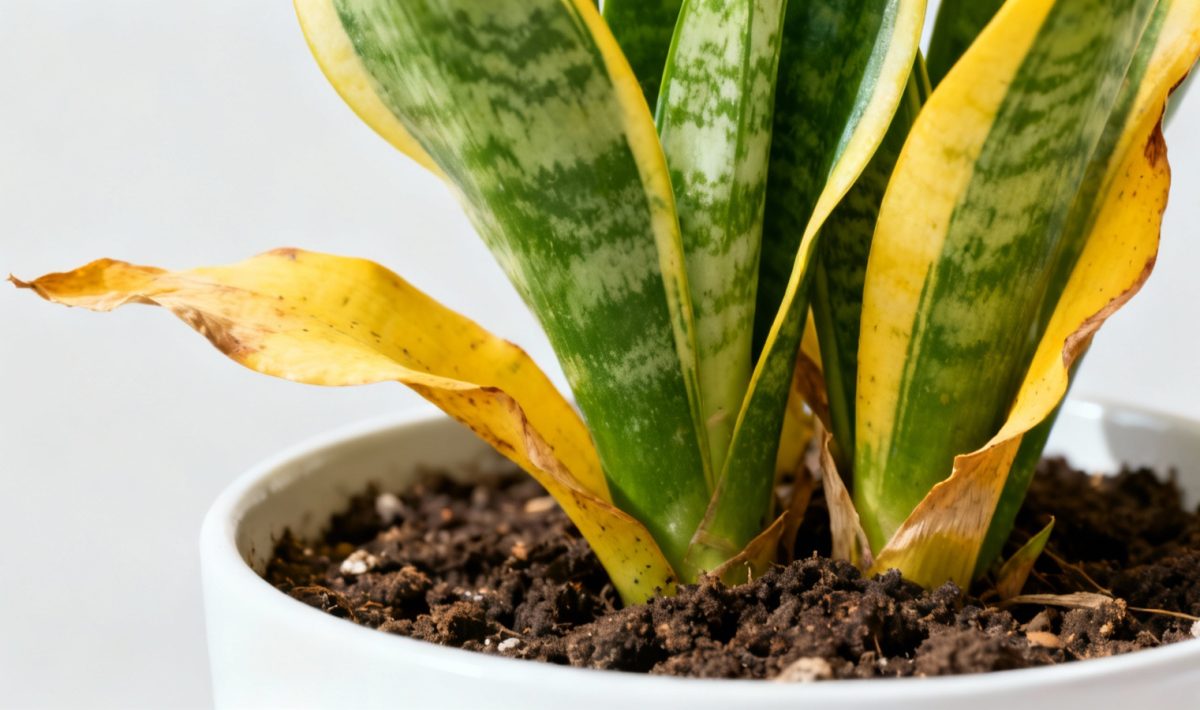
Why are my snake plant leaves turning yellow: causes and solutions
Nothing’s more frustrating than watching your beautiful snake plant develop yellow leaves when it was thriving just weeks before. I’ve been there myself, staring at my sansevieria wondering what went wrong. The good news is that yellowing leaves usually signal specific issues that are totally fixable once you know what to look for.
Snake plants are generally low-maintenance, but they do have preferences. When those thick, sturdy leaves start turning yellow, your plant is essentially sending you an SOS signal. Let’s dive into the most common causes and get your green friend back to its vibrant self.
Before we tackle the yellow leaf problem, it’s worth understanding what makes snake plants tick. These hardy plants originally come from arid regions of West Africa, which explains why they’re so drought-tolerant. In their natural habitat, they deal with sandy soil, bright light, and very little water for extended periods.
Your sansevieria thrives in well-draining soil and prefers to dry out completely between waterings. They’re not picky about light conditions, but they do best with bright, indirect sunlight. The key is finding that sweet spot between neglect and overcare – these plants actually prefer being slightly ignored!
✅ Quick Checklist
Is the soil too wet or too dry?
Is the plant getting 6+ hours of sunlight daily?
Have you fertilized in the last 2 months?
Are there visible pests under the leaves?
Does the pot have adequate drainage?
🔥 FREE
📱
Diagnose your plant in one click!
AI instant diagnosis • Personalized solutions • 50,000+ species
The main culprits behind yellow snake plant leaves
Overwatering – the number one killer
Here’s the brutal truth: most yellow leaves on snake plants are caused by too much water, not too little. I know it sounds counterintuitive, but these plants are desert dwellers at heart. When you water too frequently or the soil stays soggy, the roots start to rot, and that shows up as yellowing leaves.
Signs you’re overwatering include mushy leaves at the base, a funky smell from the soil, or leaves that feel soft and squishy rather than firm. The soil might also develop a greenish film on top, which indicates poor drainage and stagnant water.
Poor drainage and wrong soil mix
Even with proper watering, your snake plant can develop problems if it’s sitting in the wrong soil. Regular potting soil holds too much moisture for these plants. They need a well-draining mix that allows excess water to flow out quickly.
Your pot choice matters too. Without drainage holes, even perfect watering techniques won’t save your plant. Water has nowhere to go, creating the perfect environment for root rot and subsequent leaf yellowing.
Natural aging process
Sometimes yellow leaves are simply part of your plant’s natural lifecycle. Older leaves, especially those at the outer edges, will eventually turn yellow and die off as the plant puts energy into new growth. This is completely normal and nothing to worry about.
You can tell it’s natural aging when only one or two older leaves turn yellow while the rest of the plant looks healthy. The yellowing usually starts at the tips and works its way down.
Nutrient deficiencies
While snake plants don’t need frequent feeding, they can develop nutrient deficiencies over time, especially if they’ve been in the same pot for years. Nitrogen deficiency typically shows up as yellowing from the bottom leaves upward.
Iron deficiency causes yellow leaves with green veins, while potassium deficiency leads to yellow edges on the leaves. These issues are less common but worth considering if other causes don’t fit your situation.
Effective solutions to restore your plant’s health
Adjusting your watering routine
The first step is getting your watering schedule right. Water your snake plant only when the soil is completely dry, usually every 2-4 weeks depending on your home’s humidity and temperature. Stick your finger about 2 inches into the soil – if it’s still moist, wait longer.
When you do water, give it a thorough drink until water flows from the drainage holes, then empty the saucer so it’s not sitting in standing water. This mimics the heavy but infrequent rains these plants experience in nature.
Improving soil and drainage
If your snake plant is in regular potting soil, consider repotting it in a cactus or succulent mix. You can also make your own by mixing equal parts potting soil, coarse sand, and perlite. This creates the fast-draining environment your plant craves.
Make sure your pot has several drainage holes. If you’re attached to a decorative pot without drainage, use it as a cachepot with a well-draining inner pot that you can lift out for watering.
Removing affected leaves
Once a leaf turns completely yellow, it won’t recover. Cut these leaves off at soil level using clean, sharp scissors or pruning shears. This prevents the plant from wasting energy on dying foliage and reduces the risk of fungal issues.
For partially yellow leaves, you can trim just the affected portions if most of the leaf is still healthy. Always cut at an angle to prevent water from pooling on the cut surface.
✅ Quick Checklist
Is the soil too wet or too dry?
Is the plant getting 6+ hours of sunlight daily?
Have you fertilized in the last 2 months?
Are there visible pests under the leaves?
Does the pot have adequate drainage?
🔥 FREE
📱
Diagnose your plant in one click!
AI instant diagnosis • Personalized solutions • 50,000+ species
Snake plants need very little fertilizer, but a light feeding during the growing season can prevent nutrient deficiencies. Use a balanced, diluted liquid fertilizer once a month from spring through early fall. Skip fertilizing in winter when growth slows down.
Over-fertilizing can actually cause more problems than under-fertilizing, so err on the side of caution. If you see salt buildup on the soil surface, flush the pot with plain water to remove excess minerals.
Similar yellowing issues can affect other houseplants too. For instance, understanding the causes of yellowing snake plant leaves in cylindrical varieties can provide additional insights. Additionally, if you have other plants showing similar symptoms, you might want to explore solutions for yellow arrowhead plant leaves for a broader understanding of leaf yellowing causes.
Creating the ideal environment
Place your snake plant where it gets bright, indirect light for most of the day. While they tolerate low light, insufficient light can weaken the plant and make it more susceptible to problems. Avoid direct sun, which can scorch the leaves.
Maintain moderate humidity levels between 40-50%. These plants aren’t picky about humidity, but extremely dry air can stress them. A simple humidity tray with pebbles and water can help if your home is very dry.
Regular monitoring and maintenance
Get into the habit of checking your snake plant weekly. Look for changes in leaf color, texture, or firmness. Catching problems early makes them much easier to solve.
Dust the leaves occasionally with a damp cloth to keep them clean and able to photosynthesize efficiently. This also gives you a chance to inspect for pests or other issues up close.
Remember, snake plants are incredibly resilient. With proper care and attention to their basic needs, yellow leaves should become a rare occurrence. The key is finding that balance between caring for your plant and giving it the space it needs to thrive naturally.
Allan is a lifelong gardening enthusiast who still gets excited when the first seedlings pop up in spring. With a deep love for nature and a hands-in-the-soil approach, he shares practical tips, plant discoveries, and clever tricks picked up over years of digging, planting, and observing. Whether you’re a new gardener or have a shed full of tools, Allan writes like a neighbor who’s always happy to swap cuttings and stories over the fence.
You can find more about Allan’s work on Malt or connect with him on LinkedIn.