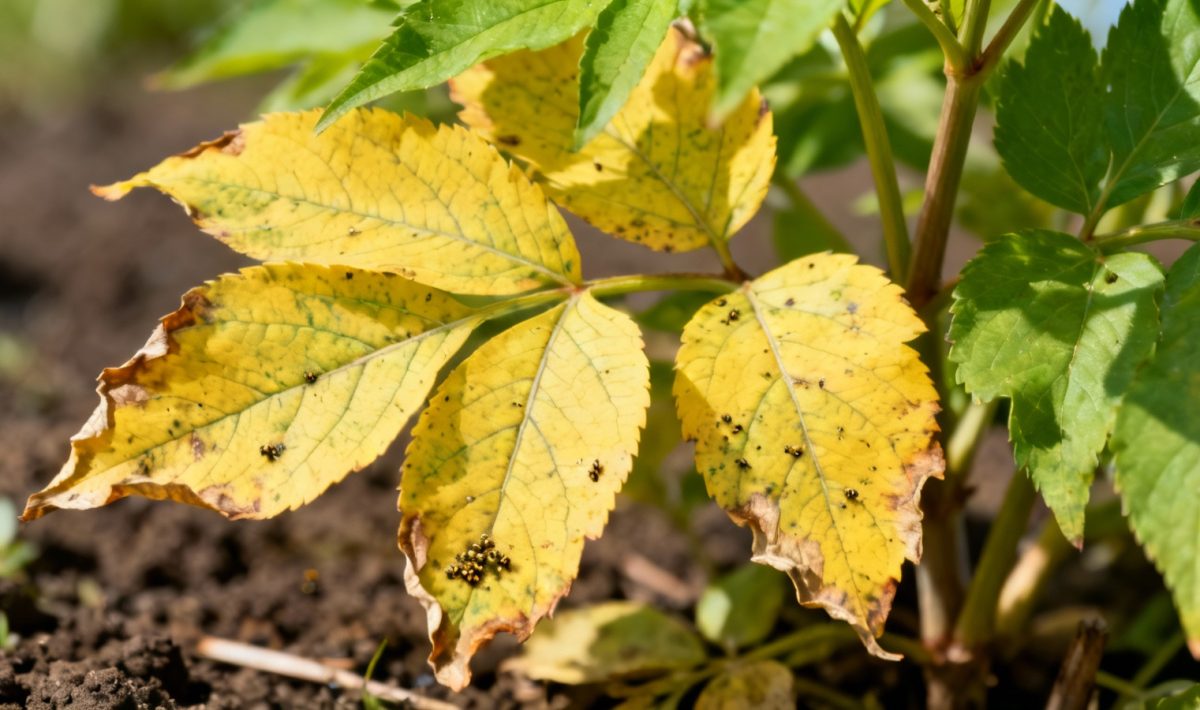
Why are my elder leaves turning yellow – common causes and solutions
Nothing quite stirs concern in a gardener’s heart like seeing beautiful green foliage suddenly turning an alarming shade of yellow. When your elder plants start showing these telltale signs, it’s natural to wonder what went wrong and how you can fix it.
The good news is that yellowing leaves are often your plant’s way of communicating specific needs. Most of the time, you can reverse this condition with the right care and attention. Understanding the underlying causes will help you take swift action to restore your elder’s vibrant health.
The most common reasons behind yellowing elder leaves
Before diving into solutions, it’s crucial to identify what’s causing the problem. Elder plants are generally hardy, but they’re not immune to environmental stresses that can manifest as yellow foliage.
Watering issues: too much or too little
Water problems are often the culprit when leaves start changing color. Overwatering creates waterlogged soil conditions that prevent roots from getting the oxygen they need. This stress causes leaves to yellow and eventually drop off.
On the flip side, underwatering forces your plant to sacrifice older leaves to conserve moisture for new growth. You’ll typically see yellowing start from the bottom of the plant and work its way up. The soil will feel dry several inches down, and the plant may appear wilted.
To fix watering issues, check your soil moisture regularly. For elder plants, you want consistently moist but not soggy soil. Water deeply but less frequently, allowing the top inch to dry between waterings.
Nutrient deficiencies in the soil
Just like us, plants need proper nutrition to thrive. Nitrogen deficiency is the most common cause of yellowing leaves, starting with older foliage that gradually turns pale green, then yellow. This often happens when plants have been in the same soil for extended periods without fertilization.
Iron deficiency presents differently – newer leaves turn yellow while veins remain green, creating a distinctive pattern. This usually occurs in alkaline soils where iron becomes unavailable to the plant, even when it’s present in the soil.
Similar to how you might experience issues with causes of yellowing elder leaves in different varieties, magnesium deficiency shows up as yellowing between leaf veins on older leaves first.
When diseases and pests attack your plants
Recognizing fungal infections
Fungal diseases love moist conditions and can quickly spread through your garden. Leaf spot diseases create yellow areas that often have brown or black centers, while root rot causes widespread yellowing as the plant struggles to absorb water and nutrients.
Powdery mildew appears as a white coating on leaves that eventually turn yellow and drop. This fungal infection thrives in humid conditions with poor air circulation.
Dealing with common garden pests
Tiny insects can cause big problems for your elder plants. Aphids, spider mites, and scale insects all feed on plant juices, causing leaves to yellow and weaken. Check the undersides of leaves for small moving dots or sticky honeydew residue.
Nematodes, microscopic worms in the soil, attack roots and prevent proper nutrient uptake. This underground damage manifests as yellowing leaves and stunted growth above ground.
For pest control, start with gentle methods like spraying affected areas with water or applying insecticidal soap. Beneficial insects like ladybugs can help control aphid populations naturally.
How environmental factors affect leaf color
The impact of light conditions
Elder plants generally prefer partial shade to full sun, but insufficient light can cause problems. When plants don’t receive adequate sunlight, they can’t photosynthesize properly, leading to pale, yellowing leaves.
Conversely, sudden exposure to intense sunlight after being in shade can scorch leaves, causing them to yellow and brown. This is particularly common when moving plants from indoors to outdoor locations.
Temperature stress effects
Extreme temperatures, whether hot or cold, can shock elder plants into dropping leaves. Cold drafts, sudden temperature changes, or prolonged heat waves all contribute to leaf yellowing.
Similar patterns can be observed in other climbing plants, as detailed in information about reasons for yellowing honeysuckle leaves that face comparable environmental challenges.
✅ Quick Checklist
Is the soil too wet or too dry?
Is the plant getting 6+ hours of sunlight daily?
Have you fertilized in the last 2 months?
Are there visible pests under the leaves?
Does the pot have adequate drainage?
🔥 FREE
📱
Diagnose your plant in one click!
AI instant diagnosis • Personalized solutions • 50,000+ species
Prevention is always better than treatment when it comes to plant health. Start by ensuring your elder has well-draining soil that retains some moisture but doesn’t become waterlogged. Adding compost or aged manure improves soil structure and provides slow-release nutrients.
Choose an appropriate location that receives morning sun and afternoon shade. This gives your plant the energy it needs from sunlight while protecting it from harsh afternoon heat.
Regular monitoring and maintenance
Keep a close eye on your plants, especially during seasonal transitions when stress is most likely to occur. Remove any yellowing or dead leaves promptly to prevent disease spread and redirect the plant’s energy to healthy growth.
Establish a consistent watering schedule based on weather conditions and soil moisture levels. During dry spells, water deeply once or twice a week rather than frequent shallow watering.
Feed your elder plants with a balanced fertilizer in early spring and again in mid-summer. This provides the nutrients they need for vigorous growth and helps prevent deficiency-related yellowing.
When to seek additional help
Sometimes, despite your best efforts, yellowing leaves persist or worsen. If you’ve addressed watering, nutrition, and environmental factors but still see problems, consider consulting your local extension office or a certified arborist.
Severe infestations, widespread disease, or soil contamination issues may require professional intervention. Don’t hesitate to seek expert advice when the problem is beyond typical home remedies.
Remember that some leaf yellowing is natural, especially as plants enter dormancy in fall. The key is distinguishing between normal seasonal changes and stress-related issues that need your attention.
Allan is a lifelong gardening enthusiast who still gets excited when the first seedlings pop up in spring. With a deep love for nature and a hands-in-the-soil approach, he shares practical tips, plant discoveries, and clever tricks picked up over years of digging, planting, and observing. Whether you’re a new gardener or have a shed full of tools, Allan writes like a neighbor who’s always happy to swap cuttings and stories over the fence.
You can find more about Allan’s work on Malt or connect with him on LinkedIn.