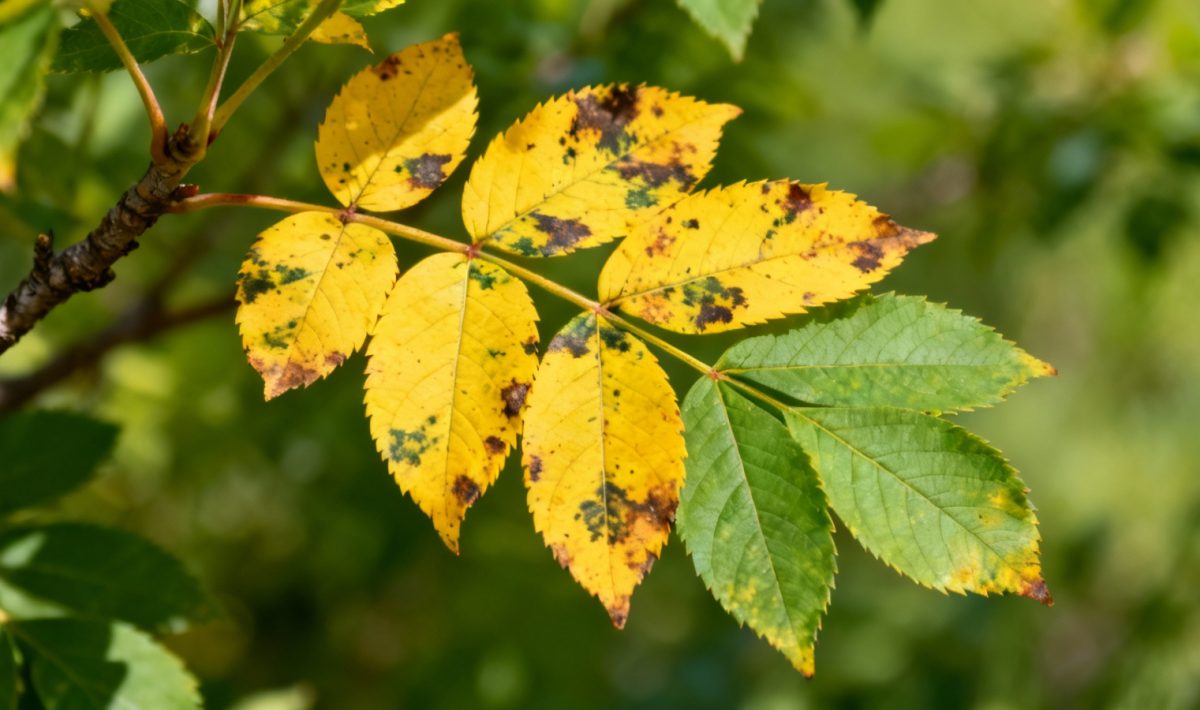
Why are my american elder leaves turning yellow – causes and solutions
When you notice your American elder’s leaves turning yellow, it can be quite concerning. This beautiful native plant, known for its fragrant white flowers and dark berries, is usually quite resilient. However, yellowing leaves are often your plant’s way of telling you that something needs attention in its care routine.
American elder plants are native shrubs that thrive when their basic requirements are met. They naturally grow in moist, fertile soils and can tolerate both full sun and partial shade. However, when these conditions aren’t optimal, the first sign you’ll often see is yellowing leaves. This happens because the plant redirects energy from older leaves to maintain vital functions.
The key to healthy elder plants lies in providing consistent moisture without waterlogging the roots. These plants are used to growing near streams and in woodland areas where they receive regular water but also good drainage. When you understand this natural habitat, it becomes easier to replicate the right conditions in your garden.
Watering issues: the most common culprit
Most cases of yellowing leaves come down to watering problems – either too much or too little. Elder plants need consistently moist soil, especially during the growing season when they’re producing their beautiful white flowers and developing berries. However, they can’t tolerate standing water around their roots.
Overwatering is often more problematic than underwatering. When roots sit in soggy soil, they can’t absorb nutrients properly, leading to yellow leaves that often start from the bottom of the plant and work their way up. You might also notice the leaves become soft and may develop brown spots before falling off.
On the flip side, if the soil becomes too dry, especially during hot summer months, the plant will drop older leaves to conserve water. This yellowing typically happens more uniformly across the plant and the leaves feel crispy to the touch.
Nutrient deficiencies affecting leaf color
When your American elder isn’t getting the nutrients it needs, yellowing leaves are often the first symptom. The most common deficiency affecting these plants is nitrogen, which causes older leaves to turn yellow first while new growth remains green. This is because the plant moves available nitrogen to support new growth.
Iron deficiency is another frequent issue, particularly in alkaline soils. With iron chlorosis, you’ll see yellowing between the leaf veins while the veins themselves remain green. This creates a distinctive pattern that’s easy to identify once you know what to look for.
Potassium deficiency shows up as yellowing along the leaf edges, often accompanied by brown, scorched-looking margins. This is more common in sandy soils where nutrients wash away quickly or in container-grown plants that haven’t been fertilized regularly.
Environmental stress factors
Temperature extremes can cause significant stress to your elder plant. While these hardy shrubs can handle winter cold, sudden temperature drops or unseasonably warm weather can trigger leaf yellowing. During winter, some yellowing is normal as the plant enters dormancy, but excessive yellowing might indicate the plant is struggling with temperature fluctuations.
Light conditions also play a crucial role. Although elder plants can tolerate partial shade, they perform best with at least six hours of direct sunlight daily. Too much shade can weaken the plant and make it more susceptible to diseases, while too much intense sun, especially in very hot climates, can scorch the leaves.
Wind exposure is another factor that’s often overlooked. Strong, drying winds can stress the plant and cause rapid moisture loss from the leaves, leading to yellowing and eventual leaf drop. This is particularly problematic for young plants that haven’t established a robust root system yet.
Disease and pest problems
Several diseases can cause yellowing in American elder leaves. Fungal infections are the most common, particularly in humid conditions or when the leaves stay wet for extended periods. Powdery mildew appears as a white, powdery coating on leaves, often accompanied by yellowing. Leaf spot diseases create brown or black spots that are surrounded by yellow halos.
Root rot is a serious fungal condition that occurs when soil drainage is poor. The first signs are yellowing leaves that eventually turn brown and drop. If you suspect root rot, check the soil moisture and examine the roots if possible – healthy roots should be white or light-colored, while rotted roots appear brown or black and feel mushy.
Pest infestations can also trigger leaf yellowing. Aphids are common on elder plants and can cause leaves to yellow and curl. Spider mites, particularly during hot, dry weather, create tiny yellow speckles on leaves that eventually merge into larger yellow areas. Scale insects attach to stems and leaves, sucking plant juices and causing yellowing and weakening of the plant.
Interestingly, similar yellowing patterns occur in other plants too. You can discover why pomegranate leaves yellow for comparison, as many fruit-bearing plants share similar stress responses. Additionally, if you’re dealing with indoor plants, you might want to find solutions for yellow arrowhead leaves to understand how different plant types respond to environmental stress.
Solutions and prevention strategies
The first step in addressing yellowing leaves is to identify the specific cause. Start by checking soil moisture – stick your finger about two inches into the soil around the base of the plant. It should feel slightly moist but not soggy. If it’s dry, increase watering frequency. If it’s waterlogged, improve drainage or reduce watering.
For nutrient deficiencies, a balanced, slow-release fertilizer applied in spring can help prevent problems before they start. If you suspect iron deficiency, you can apply chelated iron or adjust soil pH to make iron more available to the plant. Most elder plants prefer slightly acidic to neutral soil with a pH between 6.0 and 7.0.
✅ Quick Checklist
Is the soil too wet or too dry?
Is the plant getting 6+ hours of sunlight daily?
Have you fertilized in the last 2 months?
Are there visible pests under the leaves?
Does the pot have adequate drainage?
🔥 FREE
📱
Diagnose your plant in one click!
AI instant diagnosis • Personalized solutions • 50,000+ species
To prevent disease issues, ensure good air circulation around your plants and avoid overhead watering when possible. Water at the base of the plant early in the day so any moisture on leaves can dry quickly. Remove any fallen leaves from around the plant, as they can harbor fungal spores.
For pest control, regular inspection is key. Check the undersides of leaves weekly during the growing season. Mild infestations can often be controlled with insecticidal soap or horticultural oil. For more severe problems, you might need to use targeted treatments, but always read and follow label instructions carefully.
When dealing with yellowing leaves, remember that some leaf drop is normal, especially as plants prepare for winter dormancy. However, if yellowing is extensive or accompanied by other symptoms like wilting, stunted growth, or unusual spotting, it’s time to take action. With proper care and attention to these key factors, your American elder can return to producing those lovely white flowers and nutritious berries that make it such a valuable addition to any garden.
Allan is a lifelong gardening enthusiast who still gets excited when the first seedlings pop up in spring. With a deep love for nature and a hands-in-the-soil approach, he shares practical tips, plant discoveries, and clever tricks picked up over years of digging, planting, and observing. Whether you’re a new gardener or have a shed full of tools, Allan writes like a neighbor who’s always happy to swap cuttings and stories over the fence.
You can find more about Allan’s work on Malt or connect with him on LinkedIn.