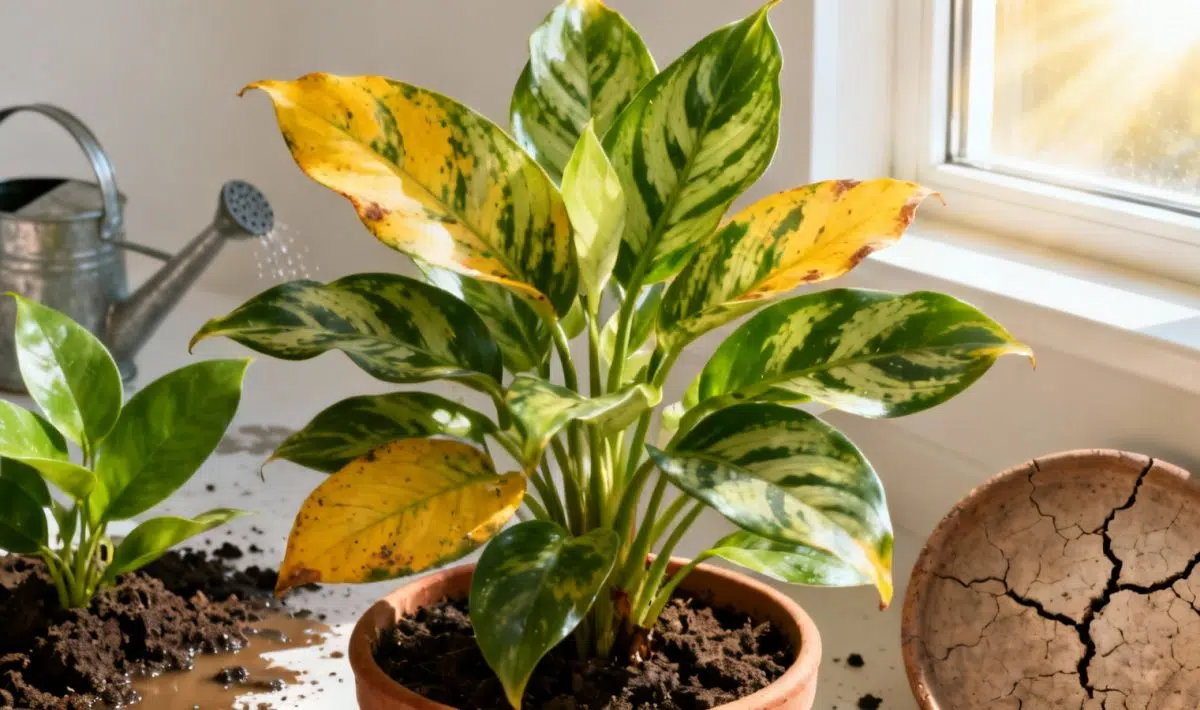
Why are my prayer plant leaves turning yellow – common causes and solutions
If you’ve noticed your prayer plant’s beautiful green leaves starting to turn yellow, you’re not alone. This common issue can be frustrating, but the good news is that yellow leaves are often your plant’s way of telling you what it needs. Understanding the causes behind this color change is the first step toward bringing your prayer plant back to vibrant health.
Prayer plants are beloved for their stunning foliage and unique leaf movements, but they can be quite particular about their care requirements. When their needs aren’t met, yellowing leaves are typically the first sign of distress. Let’s explore what might be causing this issue and how you can help your plant thrive again.
Prayer plants thrive when their natural habitat conditions are replicated indoors. These tropical beauties love consistent moisture, bright indirect light, and high humidity levels. When any of these elements are out of balance, your plant will show signs of stress through yellowing leaves.
The key to success lies in understanding that prayer plants are sensitive to sudden changes. They prefer a stable environment where temperature, humidity, and watering routines remain consistent. This stability helps them maintain their gorgeous foliage and prevents the stress that leads to yellow leaves.
✅ Quick Checklist
Is the soil too wet or too dry?
Is the plant getting 6+ hours of sunlight daily?
Have you fertilized in the last 2 months?
Are there visible pests under the leaves?
Does the pot have adequate drainage?
🔥 FREE
📱
Diagnose your plant in one click!
AI instant diagnosis • Personalized solutions • 50,000+ species
The most frequent culprit behind yellow prayer plant leaves is improper watering. Both overwatering and underwatering can cause this problem, making it crucial to find the right balance. Prayer plants prefer consistently moist soil, but they absolutely hate sitting in waterlogged conditions.
When you water too frequently or use a pot without proper drainage, the roots can become waterlogged and start to rot. This prevents them from absorbing nutrients effectively, leading to yellowing leaves that often feel soft or mushy. Conversely, if you let the soil dry out completely between waterings, your plant will show stress through yellowing lower leaves.
To determine if your plant needs water, stick your finger about an inch into the soil. If it feels dry at this depth, it’s time to water. Make sure excess water can drain freely from the pot to prevent root rot.
Light conditions
Prayer plants are particular about their light requirements, and getting this wrong can quickly lead to yellow leaves. These plants thrive in bright, indirect light but can suffer damage from direct sunlight. When exposed to harsh sun rays, the leaves can become scorched and turn yellow or brown.
On the flip side, insufficient light can also cause yellowing, particularly of the lower leaves. Prayer plants need enough light to photosynthesize effectively, and when they don’t get it, they’ll start shedding older leaves to conserve energy. The ideal spot is near a window with filtered light or in a well-lit room away from direct sun exposure.
If you notice yellowing accompanied by brown, crispy edges, your plant is likely getting too much direct light. Move it to a shadier location and see if the new growth appears healthier.
Humidity levels
As tropical plants, prayer plants crave high humidity levels, typically around 50-60%. Indoor environments, especially during winter months when heating systems are running, can become quite dry. Low humidity stress often manifests as yellowing leaves with brown, crispy edges.
You can increase humidity around your plant in several ways. Place a humidifier nearby, group plants together to create a microclimate, or set your pot on a tray filled with pebbles and water. Just make sure the pot isn’t sitting directly in water, as this can lead to root rot.
Another effective method is to mist the leaves regularly, but do this early in the day so the water has time to evaporate before evening. Wet leaves overnight can encourage fungal problems.
Environmental factors and stress
Temperature fluctuations
Prayer plants prefer stable temperatures between 65-75°F (18-24°C). Sudden temperature changes, cold drafts, or exposure to heating vents can stress your plant and cause yellowing leaves. These plants are particularly sensitive to cold temperatures and can show damage quickly when exposed to chilly conditions.
Keep your prayer plant away from air conditioning vents, heating sources, and drafty windows. If you need to move your plant, do so gradually to help it acclimate to new conditions. Temperature stress often shows up as yellowing that starts from the leaf edges and works inward.
Soil quality and nutrients
Poor soil conditions can contribute to yellowing leaves in prayer plants. These plants prefer well-draining, slightly acidic soil that’s rich in organic matter. Heavy, clay-like soils can retain too much moisture, while sandy soils may drain too quickly and not provide adequate nutrition.
Nutrient deficiencies, particularly nitrogen, can also cause yellowing leaves. If your plant hasn’t been fertilized in several months, it might be time to give it a boost. Use a balanced, diluted fertilizer every 4-6 weeks during the growing season. However, be careful not to over-fertilize, as this can burn the roots and cause yellowing as well.
Similar to how solutions for yellow arrowhead plant leaves address nutrient deficiencies, prayer plants benefit from regular but gentle feeding during their active growing period.
Pest problems and diseases
Sometimes yellow leaves indicate pest infestations or diseases. Spider mites, thrips, and aphids can all cause yellowing by feeding on plant juices. Check the undersides of leaves regularly for signs of these tiny invaders. Spider mites often leave fine webbing, while thrips create silvery streaks on leaves.
Fungal diseases can also cause yellowing, particularly when humidity is high but air circulation is poor. If you notice yellowing accompanied by spots, wilting, or unusual odors, your plant may have developed a fungal infection that requires immediate attention.
For pest issues, try washing the leaves with a gentle spray of water or using insecticidal soap. Increase air circulation around your plant and isolate it from other houseplants to prevent spreading any problems.
✅ Quick Checklist
Is the soil too wet or too dry?
Is the plant getting 6+ hours of sunlight daily?
Have you fertilized in the last 2 months?
Are there visible pests under the leaves?
Does the pot have adequate drainage?
🔥 FREE
📱
Diagnose your plant in one click!
AI instant diagnosis • Personalized solutions • 50,000+ species
The best way to prevent yellowing leaves is to establish consistent care routines that meet your prayer plant’s needs. Create a watering schedule based on your plant’s individual needs rather than following a rigid timeline. Check the soil moisture regularly and adjust your watering frequency based on seasonal changes and indoor conditions.
Position your plant in a location with stable conditions – away from heating vents, air conditioners, and frequently opened doors. Prayer plants love routine, and consistent conditions will help prevent the stress that leads to yellowing leaves.
Keep a plant journal to track watering dates, fertilizer applications, and any changes you notice in your plant’s appearance. This can help you identify patterns and adjust your care routine accordingly.
Recovery steps for affected plants
If your prayer plant already has yellow leaves, don’t panic – you can often turn things around with proper care adjustments. First, remove any completely yellow or damaged leaves with clean scissors to prevent them from draining energy from healthy growth.
Assess your current care routine and identify what might be causing the problem. Adjust watering frequency, move the plant to better lighting conditions, or increase humidity as needed. Be patient – it can take several weeks to see improvement in new growth.
Just as reasons for yellowing honeysuckle leaves often require patience during recovery, prayer plants need time to bounce back from stress. Focus on providing optimal conditions for new growth rather than trying to save already-yellowed leaves.
Monitor your plant closely for signs of improvement, such as new green growth or existing green leaves becoming more vibrant. With consistent care and patience, your prayer plant can recover from yellowing leaves and return to its stunning beauty.
Long-term plant health maintenance
Maintaining long-term health for your prayer plant involves more than just fixing immediate problems. Regular repotting every 1-2 years helps ensure your plant has fresh soil and adequate space for root growth. Choose a pot that’s only slightly larger than the current one, as prayer plants prefer to be somewhat root-bound.
During the growing season (spring and summer), provide monthly fertilization with a balanced, diluted fertilizer. Reduce feeding during fall and winter when growth naturally slows down. Regular leaf cleaning with a damp cloth helps your plant photosynthesize more effectively and allows you to spot potential problems early.
Remember that some yellowing of older leaves is completely natural as plants age and shed their oldest foliage to make room for new growth. The key is distinguishing between normal aging and stress-related yellowing. With proper care and attention to your prayer plant’s needs, you can enjoy its beautiful foliage for years to come while minimizing yellowing issues that can detract from its natural beauty.
Allan is a lifelong gardening enthusiast who still gets excited when the first seedlings pop up in spring. With a deep love for nature and a hands-in-the-soil approach, he shares practical tips, plant discoveries, and clever tricks picked up over years of digging, planting, and observing. Whether you’re a new gardener or have a shed full of tools, Allan writes like a neighbor who’s always happy to swap cuttings and stories over the fence.
You can find more about Allan’s work on Malt or connect with him on LinkedIn.