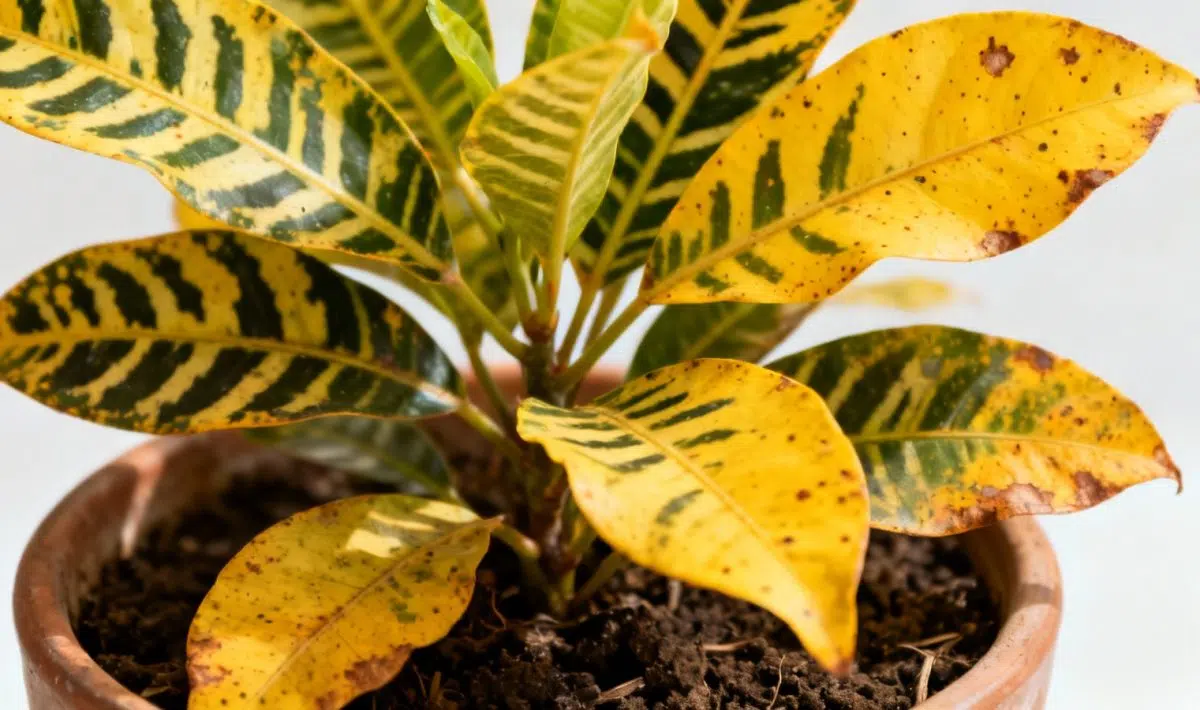
Why are my zebra plant leaves turning yellow: care tips and solutions
Nothing breaks a plant lover’s heart quite like watching their beautiful zebra plant’s leaves turn from vibrant green to concerning yellow. If you’re dealing with this frustrating issue, you’re not alone. The zebra plant, scientifically known as Aphelandra squarrosa, is a stunning houseplant that can be a bit finicky when it comes to care requirements.
Today, I’m sharing everything you need to know about why your zebra plant leaves are yellowing and how to get your plant back to its gorgeous, striped glory. From my experience with these beauties, yellowing leaves are usually your plant’s way of crying out for help with something specific in its environment.
The zebra plant is native to South America’s rainforests, where it thrives in humid, warm conditions with filtered sunlight. This tropical beauty gets its name from the distinctive white veins that create zebra-like stripes across its dark green leaves. When you bring this plant into your home, you’re essentially asking it to adapt from jungle conditions to your living room.
These plants are naturally dramatic – they’ll let you know immediately when something isn’t quite right with their care. Yellow leaves are one of their primary distress signals, and understanding this behavior is the first step toward successful zebra plant care.
✅ Quick Checklist
Is the soil too wet or too dry?
Is the plant getting 6+ hours of sunlight daily?
Have you fertilized in the last 2 months?
Are there visible pests under the leaves?
Does the pot have adequate drainage?
🔥 FREE
📱
Diagnose your plant in one click!
AI instant diagnosis • Personalized solutions • 50,000+ species
In my experience, improper watering causes about 80% of yellowing leaf problems with zebra plants. These plants are incredibly sensitive to both overwatering and underwatering, making it tricky to get the balance just right.
Overwatering is the more common issue. When the soil stays consistently wet, the roots can’t breathe properly and begin to rot. This prevents the plant from absorbing nutrients effectively, leading to yellow leaves that often feel soft or mushy. You might also notice a musty smell from the soil, which is a dead giveaway for root rot.
On the flip side, underwatering causes the plant to shut down non-essential functions to conserve water. The lower leaves typically yellow first as the plant redirects its limited resources to the newer growth at the top.
Light conditions that stress your zebra plant
Zebra plants need bright, indirect light to maintain their stunning color and pattern. Too much direct sunlight will scorch the leaves, causing them to yellow and develop brown, crispy edges. I learned this lesson the hard way when I placed my first Aphelandra right next to a south-facing window – within a week, the beautiful leaves were looking pretty sad.
Conversely, insufficient light causes the plant to struggle with photosynthesis. The leaves may yellow gradually, starting with the oldest ones, as the plant can’t produce enough energy to maintain all its foliage. If you notice your zebra plant’s white stripes becoming less pronounced along with yellowing, low light is likely your problem.
Humidity and temperature stress factors
These tropical beauties demand high humidity levels – ideally between 50-60%. When the air in your home is too dry, particularly during winter months when heating systems are running, the plant responds by yellowing its leaves. You might also notice the leaf edges turning brown and crispy.
Temperature fluctuations can trigger yellowing too. Zebra plants prefer consistent temperatures between 65-75°F. Cold drafts from air conditioning or hot air from heating vents can stress the plant enough to cause leaf yellowing. I always check for drafts when troubleshooting yellowing leaves – it’s often an overlooked factor.
Identifying and treating pest problems
Pests love zebra plants, and their feeding activity can definitely cause yellowing leaves. Spider mites are particularly troublesome – they suck the plant’s juices, leaving tiny yellow spots that eventually spread across entire leaves. You might notice fine webbing on the undersides of leaves if spider mites are present.
Aphids are another common culprit. These tiny green or black bugs cluster on new growth and leaf undersides, causing yellowing and distortion as they feed. Scale insects appear as small, brown bumps on stems and leaves, and they can cause significant yellowing if left untreated.
For a comprehensive approach to leaf yellowing issues, similar problems occur with other plants like the cylindrical snake plant care tips where environmental factors play a crucial role.
To treat pest issues, I start with a gentle insecticidal soap spray, applying it weekly until the pests are gone. For severe infestations, neem oil works wonderfully, but make sure to apply it in the evening to avoid leaf burn.
Nutrition deficiencies causing yellow leaves
Zebra plants are moderate feeders, but they can develop nutrient deficiencies that manifest as yellowing leaves. Nitrogen deficiency is the most common, causing older leaves to yellow while new growth remains green. This typically happens when the plant has been in the same potting mix for over a year without regular fertilizing.
Potassium deficiency shows up as yellowing along leaf edges, often accompanied by brown spots. Magnesium deficiency causes yellowing between leaf veins while the veins themselves remain green, creating a distinctive pattern you can easily identify.
I feed my zebra plants with a balanced, water-soluble fertilizer every 2-4 weeks during the growing season (spring and summer). During fall and winter, I reduce feeding to monthly or stop entirely, as the plant’s growth slows significantly.
✅ Quick Checklist
Is the soil too wet or too dry?
Is the plant getting 6+ hours of sunlight daily?
Have you fertilized in the last 2 months?
Are there visible pests under the leaves?
Does the pot have adequate drainage?
🔥 FREE
📱
Diagnose your plant in one click!
AI instant diagnosis • Personalized solutions • 50,000+ species
Step-by-step solutions for healthy zebra plant leaves
Perfect watering technique
Getting the watering right is crucial for preventing yellow leaves. I water my zebra plants when the top inch of soil feels dry to the touch. This usually works out to about once a week during growing season, but it can vary based on your home’s humidity and temperature.
When you water, do it thoroughly until water drains from the bottom holes. This ensures the entire root system gets moisture and helps flush out any salt buildup from fertilizers. Always empty the drainage tray after 30 minutes – zebra plants hate sitting in standing water.
During winter, reduce watering frequency as the plant’s growth slows. I typically water every 10-14 days during the dormant season, always checking the soil moisture first.
Creating optimal light conditions
Place your zebra plant near an east or north-facing window where it gets bright, indirect light for most of the day. If you only have south or west-facing windows, position the plant a few feet back from the glass or use a sheer curtain to filter the intense light.
You can also supplement natural light with grow lights, especially during darker winter months. LED grow lights work wonderfully and don’t generate excessive heat that could stress the plant further.
Boosting humidity naturally
To increase humidity around your zebra plant, try grouping it with other plants – they create their own microclimate with higher moisture levels. You can also place a humidity tray filled with water and pebbles beneath the pot, ensuring the pot bottom doesn’t touch the water directly.
A cool-mist humidifier is another excellent option, especially if you have multiple tropical plants. Just like with causes for yellow snake plant leaves, addressing environmental conditions is key to preventing leaf yellowing.
Avoid misting the leaves directly, as this can promote fungal diseases on the zebra plant’s dense foliage.
When to seek additional help
Sometimes, despite your best efforts, zebra plant problems persist or worsen. If you’ve addressed watering, light, humidity, and pest issues but still see extensive yellowing, it might be time to repot with fresh soil or consult your local plant store for additional guidance.
Root rot can be particularly tricky to reverse once it’s advanced. If the plant feels loose in its pot or you notice a strong, unpleasant odor from the soil, carefully remove the plant and inspect the roots. Healthy roots should be white or light tan, while rotted roots appear black and mushy.
Don’t hesitate to reach out to plant communities online or visit local nurseries for specific advice. Many experienced growers are happy to share their knowledge, and sometimes a fresh perspective can identify issues you might have missed.
Remember, growing healthy zebra plants is a learning process, and even experienced plant parents encounter challenges. With patience and consistent care, you can absolutely get your Aphelandra back to its stunning, striped glory and prevent future yellowing issues.
Allan is a lifelong gardening enthusiast who still gets excited when the first seedlings pop up in spring. With a deep love for nature and a hands-in-the-soil approach, he shares practical tips, plant discoveries, and clever tricks picked up over years of digging, planting, and observing. Whether you’re a new gardener or have a shed full of tools, Allan writes like a neighbor who’s always happy to swap cuttings and stories over the fence.
You can find more about Allan’s work on Malt or connect with him on LinkedIn.