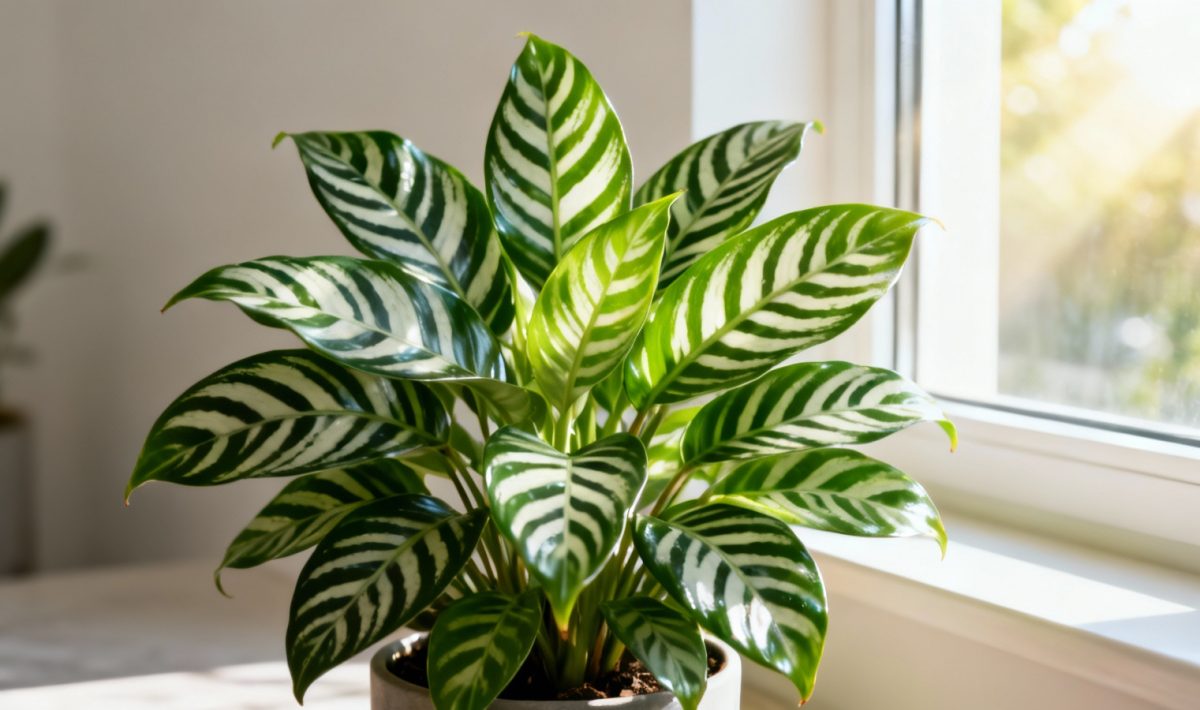
When it comes to caring for your zebra plant, getting the sunlight right can make all the difference between a thriving green beauty and a struggling houseplant. These stunning striped plants need just the right amount of light to flourish indoors. Understanding how much sunlight does zebra plant need will help you create the perfect growing environment for this tropical favorite.
Zebra plants, scientifically known as Aphelandra squarrosa, originate from the understory of Brazilian rainforests. This natural habitat gives us important clues about their lighting preferences. In the wild, these plants receive filtered sunlight through the forest canopy, never experiencing the harsh direct rays of the midday sun.
The key to successful zebra plant care lies in replicating these natural conditions in your home. Your plant will reward you with vibrant foliage and potentially those gorgeous yellow flower spikes when its light needs are properly met.
Optimal sunlight conditions for zebra plants
Your zebra plant thrives best in bright, indirect light for approximately 3 to 6 hours daily. This means placing it near a window where it can receive plenty of illumination without being exposed to direct sunbeams that can scorch its delicate leaves.
East or west-facing windows work wonderfully for these plants, especially when filtered through a sheer curtain or positioned slightly back from the glass. The morning sun from an eastern exposure provides gentle illumination, while western light can be softened with proper placement.
North-facing windows often don’t provide sufficient light intensity for zebra plants to maintain their vibrant coloration and healthy growth patterns. If this is your only option, consider supplementing with artificial grow lights to meet your plant’s needs.
Signs your zebra plant needs more light
When zebra plants don’t receive adequate sunlight, they’ll let you know through several telltale signs. The distinctive white or yellow stripes on the leaves may fade, losing their striking contrast against the green background.
Leggy growth is another common indicator of insufficient light. Your plant will stretch toward the nearest light source, resulting in elongated stems with increased spacing between leaves. The overall appearance becomes less compact and attractive.
Additionally, flowering becomes less likely when light levels are too low. While zebra plants grown indoors don’t always bloom, adequate lighting significantly increases your chances of seeing those spectacular yellow flower spikes.
Protecting your zebra plant from excessive sunlight
While zebra plants need plenty of light, too much direct sunlight can be just as problematic as too little. Harsh rays can quickly damage the leaves, causing brown spots, yellowing, or complete leaf burn.
If you notice crispy brown edges on the leaves or faded coloration, your plant is likely receiving too much direct sun. Move it back from the window or add a filtering material like a sheer curtain to diffuse the light.
During summer months, you may need to adjust your plant’s position as the sun’s angle changes throughout the year. What works perfectly in winter might be too intense during the peak growing season.
Creating the ideal lighting setup
The best placement for your zebra plant is within 1-2 feet of a bright window, but not directly in the path of sunbeams. This positioning allows the plant to receive abundant indirect light while staying protected from harmful direct rays.
Consider rotating your plant weekly to ensure even growth on all sides. Plants naturally lean toward their light source, so regular rotation helps maintain a balanced, symmetrical appearance.
If natural light is limited in your space, LED grow lights can supplement your zebra plant’s lighting needs. Position them 12-18 inches above the plant and run them for 8-12 hours daily to compensate for inadequate window light.
Seasonal lighting considerations
Your zebra plant’s lighting needs may vary throughout the year as daylight hours and sun intensity change with the seasons. During winter months with shorter days, you might need to move your plant closer to windows or add supplemental lighting.
Summer often brings more intense sunlight, requiring you to move plants slightly further from windows or add filtering materials. Pay attention to how your plant responds as seasons change and adjust accordingly.
Spring and fall typically offer ideal natural lighting conditions for zebra plants, with moderate intensity and comfortable day lengths. These seasons often see the most vigorous growth when other care factors like watering and soil conditions are also optimal.
Complementary care factors
While proper lighting is crucial, zebra plants also need attention to other care aspects to truly thrive. The soil should remain consistently moist but well-draining, and these plants appreciate higher humidity levels typical of their tropical origins.
Water your zebra plant when the top inch of soil feels dry to the touch. The frequency will vary based on lighting conditions, with plants in brighter spots typically requiring more frequent watering due to increased growth and transpiration.
Just as different houseplants have varying light requirements, it’s worth noting that sunlight requirements for peacock plants can help you understand how tropical foliage plants adapt to indoor conditions. Similarly, understanding ideal sunlight for snake plants shows how different species have evolved unique lighting preferences.
Soil and pot considerations
The type of soil and pot you choose can affect how well your zebra plant utilizes the sunlight it receives. Well-draining potting mix allows roots to access both water and air, supporting healthy growth in bright conditions.
A pot with drainage holes prevents water from sitting around the roots, which is especially important for plants receiving good light that promotes active growth. Standing water can lead to root rot, negating all your careful attention to proper lighting.
Consider that plants in brighter locations often need slightly more frequent repotting as they grow more vigorously. Monitor your zebra plant for signs it’s becoming rootbound, such as water running straight through without being absorbed.
Common lighting mistakes to avoid
One frequent error is placing zebra plants in south-facing windows without any protection from direct afternoon sun. While these windows receive the most overall light, the intensity can be overwhelming for these forest-understory natives.
Another mistake is assuming that any bright spot will work. Zebra plants need consistent, moderate lighting rather than brief periods of intense illumination followed by deep shade.
Don’t forget that artificial lighting from regular household bulbs isn’t typically sufficient for plant growth. If you’re relying on artificial light, invest in proper grow lights designed for plants. For comparison, you might find it interesting to learn about optimal light for spider plants or light conditions for arrowhead plants to see how different indoor species have adapted to various lighting scenarios.
Monitoring your plant’s response
The best way to determine if your zebra plant is receiving appropriate sunlight is by observing its overall health and appearance. Healthy plants display vibrant leaf coloration with distinct striping, compact growth, and new leaf production.
Keep a simple care journal noting your plant’s placement, any changes you make, and how it responds. This record helps you fine-tune the perfect lighting conditions for your specific environment and plant.
Remember that it may take several weeks for plants to fully adjust to new lighting conditions. Be patient and consistent with your care while allowing time for your zebra plant to adapt to any changes you implement.
Allan is a lifelong gardening enthusiast who still gets excited when the first seedlings pop up in spring. With a deep love for nature and a hands-in-the-soil approach, he shares practical tips, plant discoveries, and clever tricks picked up over years of digging, planting, and observing. Whether you’re a new gardener or have a shed full of tools, Allan writes like a neighbor who’s always happy to swap cuttings and stories over the fence.
You can find more about Allan’s work on Malt or connect with him on LinkedIn.