
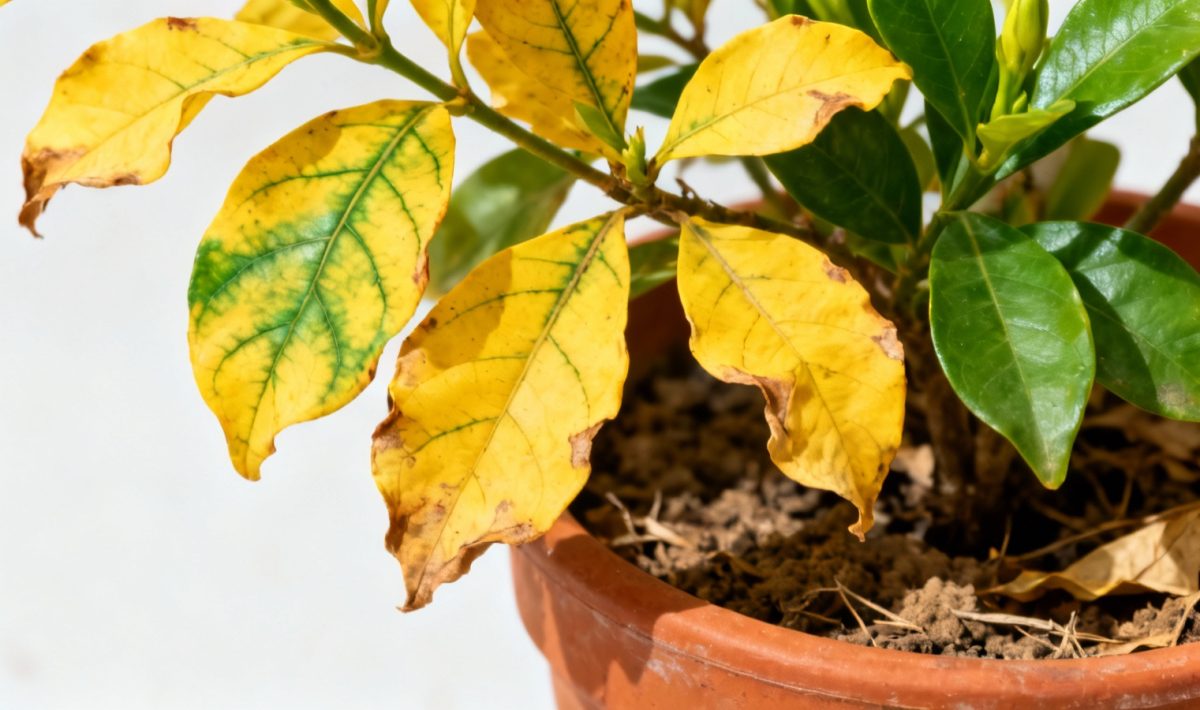
Nothing breaks a gardener’s heart quite like watching their beloved Brazilian jasmine develop yellowing leaves. This tropical beauty, with its fragrant white flowers and lush green foliage, can quickly lose its charm when stress signals start showing. The good news is that yellowing leaves are often your plant’s way of communicating specific needs, and with the right approach, you can restore your jasmine to its former glory.
Understanding your Brazilian jasmine’s basic needs
Brazilian jasmine thrives in specific conditions that mirror its tropical origins. When these conditions aren’t met, the plant responds by dropping older leaves or developing yellow foliage as a survival mechanism. Understanding what your jasmine requires for optimal health is the first step toward diagnosing the problem.
This beautiful climbing plant needs consistent moisture, well-draining soil, and plenty of bright light to maintain its vibrant green color. When any of these elements fall out of balance, your jasmine will signal distress through leaf discoloration, starting with the older growth first.
Water management: the foundation of healthy growth
Improper watering ranks as the number one culprit behind yellowing Brazilian jasmine leaves. Both overwatering and underwatering can trigger this response, though they manifest slightly differently. Overwatered plants develop yellow leaves that feel soft and may show signs of root rot, while underwatered specimens display crispy, yellowing foliage that drops readily.
Your jasmine prefers soil that remains consistently moist but never waterlogged. The key lies in providing deep, thorough watering sessions followed by allowing the top inch of soil to dry before the next watering. During hot summer months, this might mean daily watering for container plants, while winter requirements drop significantly.
✅ Quick Checklist
- Is the soil too wet or too dry?
- Is the plant getting 6+ hours of sunlight daily?
- Have you fertilized in the last 2 months?
- Are there visible pests under the leaves?
- Does the pot have adequate drainage?
Diagnose your plant in one click!
AI instant diagnosis • Personalized solutions • 50,000+ species
Soil quality and drainage essentials
The foundation of any healthy Brazilian jasmine lies in its growing medium. These plants demand well-draining soil that retains some moisture while preventing waterlogged conditions. Poor drainage creates an anaerobic environment where roots cannot function properly, leading to yellowing leaves and eventual plant decline.
For container gardening, use a high-quality potting mix amended with perlite or coarse sand to improve drainage. Garden-planted specimens benefit from raised beds or soil amendments like compost and bark chips. The ideal soil pH ranges from slightly acidic to neutral, typically between 6.0 and 7.0.
Light requirements for vibrant foliage
Brazilian jasmine craves bright, indirect light for optimal growth and flower production. Insufficient light commonly triggers leaf yellowing as the plant struggles to photosynthesize effectively. While these plants can tolerate some direct sunlight, intense afternoon rays in hot climates can scorch the foliage and cause stress-related yellowing.
Indoor plants should receive at least six hours of bright, filtered light daily, while outdoor specimens thrive in morning sun with afternoon shade protection. If your jasmine is struggling indoors, consider supplementing with grow lights during darker months.
Identifying common pests and diseases
Several pests and fungal issues can cause Brazilian jasmine leaves to yellow and decline. Regular inspection of your plant helps catch problems early when they’re most treatable. Focus your attention on the undersides of leaves, where many pests prefer to hide and feed.
Spider mites, aphids, and scale insects frequently target Brazilian jasmine, particularly when plants are stressed or grown indoors with low humidity. These tiny pests drain plant nutrients and can quickly cause widespread yellowing if left unchecked. Similarly, understanding reasons for yellowing jasmine leaves can help you identify patterns across different jasmine species.
Common pest identification
Spider mites create fine webbing on leaves and cause stippled, yellowing damage that progresses rapidly in warm, dry conditions. Aphids cluster on new growth and leaf undersides, causing leaves to curl and yellow while secreting sticky honeydew. Scale insects appear as small, brown bumps on stems and leaves, gradually weakening the plant through constant feeding.
Early detection involves weekly inspections with a magnifying glass if necessary. Look for moving specks, sticky residue, or unusual discoloration patterns that might indicate pest activity.
Fungal problems and prevention
Fungal diseases like root rot and leaf spot can devastate Brazilian jasmine plants, often beginning with yellowing leaves before progressing to more severe symptoms. These issues typically develop in overly moist conditions with poor air circulation, making prevention through proper cultural practices essential.
Root rot manifests as yellowing leaves that progress from bottom to top, often accompanied by a musty smell from the soil. Leaf spot diseases create circular, yellowing patches that may develop dark centers as they advance. Much like with other climbing vines, you might notice similar patterns when examining causes of yellow leaves on honeysuckle plants.
Effective solutions for healthy Brazilian jasmine
Once you’ve identified the likely cause of your Brazilian jasmine’s yellowing leaves, implementing targeted solutions becomes straightforward. The key lies in addressing the root cause rather than simply treating symptoms, ensuring long-term plant health and vigor.
Start by adjusting your watering routine to match your plant’s current needs and environmental conditions. This fundamental step often resolves yellowing issues within a few weeks, especially when combined with improved drainage and appropriate fertilization.
Optimizing watering practices
Establish a consistent watering schedule based on soil moisture rather than calendar days. Check soil moisture by inserting your finger two inches deep – water when the top inch feels dry but moisture remains below. During active growing seasons, this might mean watering every 2-3 days, while winter requirements drop to weekly or less.
Water deeply until excess drains from container bottoms, then empty saucers to prevent standing water. Early morning watering allows plants to absorb moisture before daily heat stress while giving foliage time to dry before evening.
✅ Quick Checklist
- Is the soil too wet or too dry?
- Is the plant getting 6+ hours of sunlight daily?
- Have you fertilized in the last 2 months?
- Are there visible pests under the leaves?
- Does the pot have adequate drainage?
Diagnose your plant in one click!
AI instant diagnosis • Personalized solutions • 50,000+ species
Nutritional support and fertilization
Brazilian jasmine benefits from regular fertilization during the growing season to maintain vibrant green foliage and abundant flowering. Use a balanced, water-soluble fertilizer diluted to half strength every two weeks from spring through fall, reducing to monthly applications during winter dormancy.
Signs of nutrient deficiency include yellowing leaves with green veins (iron deficiency) or overall pale coloration (nitrogen deficiency). Address these issues with targeted fertilizers or soil amendments, being careful not to over-fertilize, which can burn roots and cause additional yellowing.
Natural pest control methods
Combat pest issues using gentle, natural methods that won’t harm beneficial insects or stress your plant further. Insecticidal soap spray effectively controls soft-bodied pests like aphids and spider mites when applied weekly until populations decline. Neem oil provides broader pest control while also addressing fungal issues.
For severe infestations, systemic treatments may be necessary, but always start with the least invasive options first. Increasing humidity around indoor plants also helps prevent spider mite problems, which thrive in dry conditions.
Recovery from yellowing leaves takes patience, typically requiring several weeks to months depending on the severity of the underlying issue. Remove severely damaged yellow leaves to redirect the plant’s energy toward new growth, but avoid excessive pruning that might stress the plant further. With consistent care and proper growing conditions, your Brazilian jasmine will reward you with lush green foliage and those intoxicating floral blooms that make this tropical beauty so cherished by gardeners worldwide.

Allan is a lifelong gardening enthusiast who still gets excited when the first seedlings pop up in spring. With a deep love for nature and a hands-in-the-soil approach, he shares practical tips, plant discoveries, and clever tricks picked up over years of digging, planting, and observing. Whether you’re a new gardener or have a shed full of tools, Allan writes like a neighbor who’s always happy to swap cuttings and stories over the fence.
You can find more about Allan’s work on Malt or connect with him on LinkedIn.


