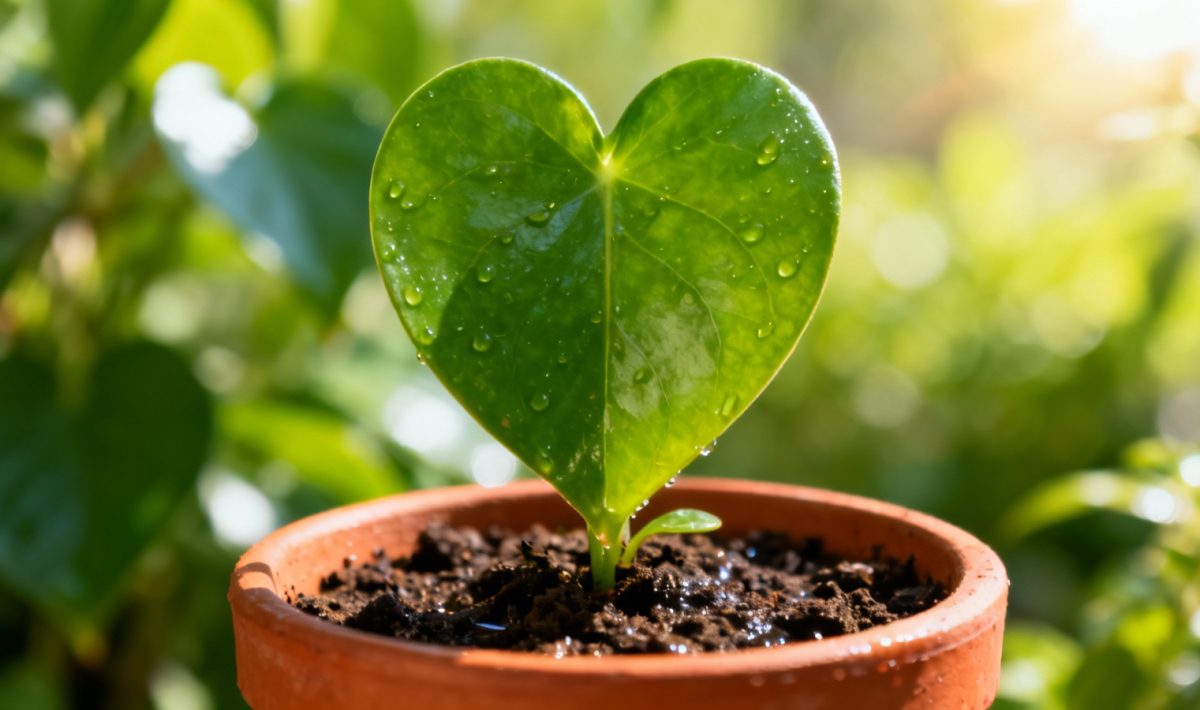
How often should you water your heart of jesus for healthy growth
Taking care of your Heart of Jesus plant, scientifically known as Caladium, requires understanding its unique watering needs. This tropical beauty with its heart-shaped leaves demands consistent moisture without becoming waterlogged. The key to success lies in knowing exactly when and how much water your plant needs throughout the year.
Understanding your heart of jesus watering requirements
The Heart of Jesus thrives with consistent moisture levels, but this doesn’t mean keeping the soil constantly soaked. These tropical plants prefer their soil to remain uniformly moist during their growing season, which typically spans from spring through early fall. However, the frequency will vary based on several environmental factors that you should monitor closely.
Temperature, humidity, pot size, and soil type all influence how quickly your plant uses water. During warmer months, your Caladium will naturally consume more water as it actively grows and produces those stunning colorful leaves. Conversely, cooler temperatures slow down the plant’s metabolism, reducing its water requirements significantly.
Light conditions also play a crucial role in determining watering frequency. Plants placed in brighter locations will dry out faster than those in shadier spots. Similarly, if you have other houseplants nearby, you might find that different species require different care approaches. For example, you should water your Norfolk Island pine regularly but with a different schedule than your Heart of Jesus.
How often should you water your heart of jesus throughout the seasons
Summer watering schedule
During the summer months, your Heart of Jesus will need the most frequent watering. Typically, this means watering 1 to 2 times per week, depending on your specific growing conditions. The warm temperatures and longer daylight hours encourage active growth, which increases the plant’s water consumption dramatically.
Check the soil moisture by inserting your finger 2-3 inches deep into the potting mix. When the top layer feels dry to the touch, it’s time to water thoroughly. Pour water slowly until you see it draining from the bottom holes, then empty the saucer after 30 minutes to prevent root rot.
Spring and fall adjustments
As temperatures moderate during spring and fall, reduce your watering frequency to approximately once per week. These transitional seasons require careful monitoring since your plant is either emerging from dormancy or preparing to enter it. The soil should remain lightly moist but never soggy during these periods.
This moderate approach helps prevent stress on your plant while ensuring it receives adequate moisture for healthy growth. Just as you would ensure healthy blooms by watering gladiolus appropriately for the season, your Heart of Jesus benefits from this seasonal adjustment.
Winter dormancy care
Winter presents the most dramatic change in your watering routine. Heart of Jesus plants naturally enter dormancy when temperatures drop and daylight hours decrease. During this time, reduce watering significantly or stop completely if your plant has died back to the ground.
If you’re storing the tubers for winter, they should be kept in barely moist peat moss or vermiculite. Check monthly to ensure they haven’t completely dried out, but avoid any excess moisture that could cause rot during the dormant period.
Proper watering techniques for optimal growth
The finger test method
The most reliable way to determine when your Heart of Jesus needs water is the finger test. Push your index finger 2-3 inches into the soil near the plant’s base. If the soil feels dry at this depth, it’s time to water. This method prevents both under-watering and over-watering, which are common mistakes that can harm your plant.
Remember that surface dryness doesn’t always indicate the need for water. The soil beneath might still retain adequate moisture, and premature watering could lead to root problems. Developing this habit will help you become more intuitive about your plant’s needs over time.
Water quality considerations
The type of water you use can significantly impact your plant’s health. Rainwater or distilled water works best for Heart of Jesus plants, as they’re sensitive to the chemicals commonly found in tap water. If you must use tap water, let it sit overnight to allow chlorine to evaporate before watering your plant.
Avoid using softened water, as the high sodium content can damage the roots and leaves. Similarly, water that’s too cold can shock the plant, so use room temperature water whenever possible. This attention to water quality becomes especially important when you care for your porcelainflower’s watering needs and other sensitive tropical plants.
Drainage and container considerations
Proper drainage is absolutely critical for Heart of Jesus plants. Your container must have drainage holes to prevent water from accumulating at the bottom. Use a well-draining potting mix that retains some moisture but allows excess water to flow through easily.
Consider adding a layer of pebbles or broken pottery pieces at the bottom of your pot to improve drainage. This technique helps prevent the soil from becoming compacted and ensures that water can move freely through the root zone.
Recognizing watering problems and solutions
Signs of over-watering
Over-watering is one of the most common problems with Heart of Jesus plants. Watch for yellowing leaves, mushy stems, or a musty smell coming from the soil. These symptoms indicate that the roots may be rotting due to excess moisture.
If you notice these signs, immediately reduce your watering frequency and check the drainage system. Remove any affected leaves and consider repotting in fresh, well-draining soil if the problem is severe.
Under-watering symptoms
Under-watered Heart of Jesus plants will show wilting leaves, crispy leaf edges, or premature leaf drop. The soil will be dry several inches deep, and the plant may appear stunted or stop producing new growth.
To remedy under-watering, gradually increase your watering frequency rather than giving one large drink. This approach allows the plant to recover without shocking its system. Much like when you maintain optimal growth for Tutsan, consistent care prevents stress-related problems.
Environmental adjustments
Sometimes watering problems stem from environmental conditions rather than your watering schedule. Low humidity can cause your plant to lose moisture rapidly, requiring more frequent watering. Consider using a humidity tray or room humidifier to maintain optimal growing conditions.
Air circulation also affects water usage. Good air movement helps prevent fungal problems while ensuring that your plant can properly process the water you provide. However, avoid placing your Heart of Jesus directly in front of heating or cooling vents, as this can cause rapid moisture loss.
Creating a sustainable watering routine
Developing a consistent watering routine helps ensure your Heart of Jesus receives the care it needs throughout the year. Start by checking your plant every 2-3 days, using the finger test to assess moisture levels. Keep a simple log of when you water and any observations about your plant’s condition.
Adjust your schedule based on seasonal changes, just as you would keep your spearmint thriving with water by adapting to its specific needs. Remember that consistency matters more than strict adherence to a calendar schedule.
Your Heart of Jesus will reward proper watering with vibrant, healthy foliage that brings tropical beauty to your home. By understanding its natural rhythms and responding to its changing needs throughout the year, you’ll develop the confidence to care for this stunning plant successfully. The key lies in observation, patience, and adjusting your approach as you learn what works best in your specific growing environment.
Allan is a lifelong gardening enthusiast who still gets excited when the first seedlings pop up in spring. With a deep love for nature and a hands-in-the-soil approach, he shares practical tips, plant discoveries, and clever tricks picked up over years of digging, planting, and observing. Whether you’re a new gardener or have a shed full of tools, Allan writes like a neighbor who’s always happy to swap cuttings and stories over the fence.
You can find more about Allan’s work on Malt or connect with him on LinkedIn.