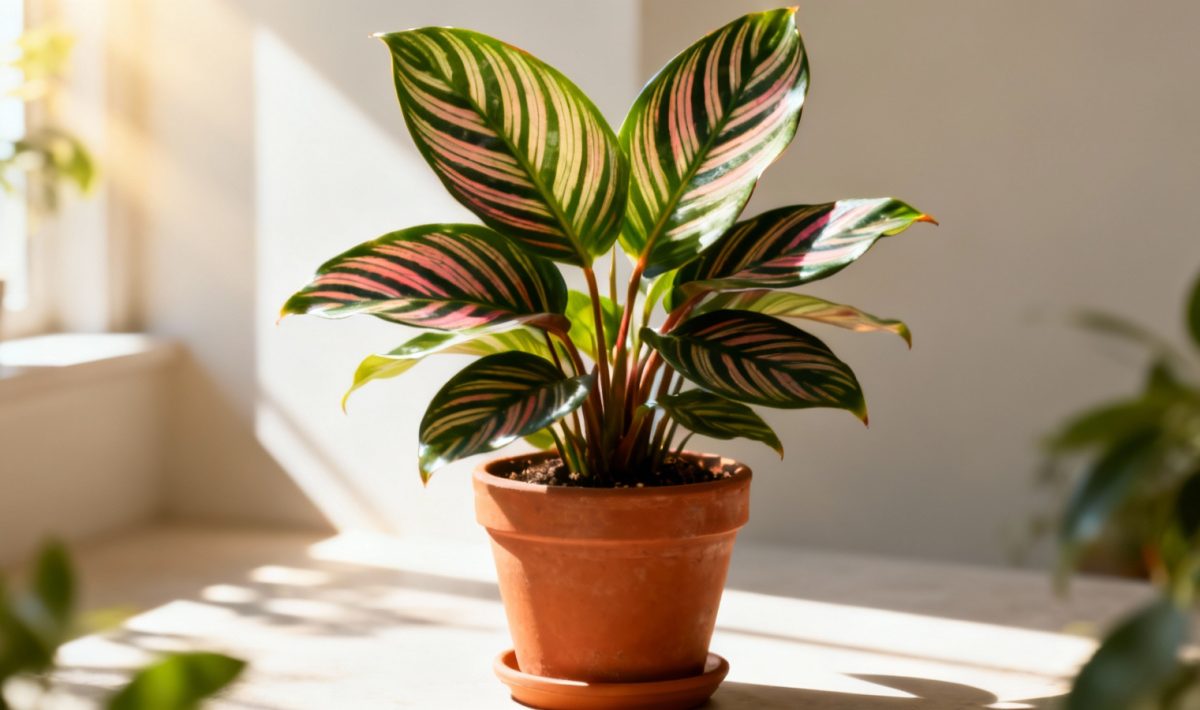
Understanding the sunlight needs of Heart of Jesus plants
The Heart of Jesus plant, scientifically known as Caladium bicolor, has captured the hearts of gardeners worldwide with its stunning foliage and vibrant colors. When it comes to how much sunlight does Heart of Jesus need, the answer lies in finding that sweet spot between too much and too little light. These beautiful plants thrive best in bright, indirect light rather than harsh direct sunlight that can scorch their delicate leaves.
Most varieties of this lovely plant prefer about 4 to 6 hours of filtered sunlight daily. However, the intensity and duration can vary significantly depending on your specific variety and growing conditions. Some cultivars like Carolyn Whorton and White Queen are more tolerant of direct sunlight, while others prefer the gentle embrace of morning light followed by afternoon shade.
The key to success lies in understanding that these plants originated in the tropical regions of South America, where they naturally grow under the canopy of larger trees. This background gives us valuable insight into their preferred lighting conditions and helps explain why they respond so well to filtered light.
Indoor positioning for optimal light exposure
When growing your Heart of Jesus indoors, positioning becomes crucial for providing the right amount of light. North-facing windows often provide the most consistent, gentle light throughout the day without the risk of scorching. However, if you only have south-facing windows available, you’ll want to place your plant a few feet back from the glass or use sheer curtains to diffuse the intense afternoon sun.
East-facing windows work wonderfully because they provide bright morning light when temperatures are cooler, followed by gentle indirect light for the rest of the day. This mimics the natural conditions these plants love in their native habitat. West-facing windows can also work, but you may need to provide some protection during the hottest part of the afternoon.
For those curious about other plants with similar light preferences, you might find it interesting to learn about prayer plant sunlight preferences which share some similarities with caladiums in their need for gentle, filtered light.
Creating the perfect indoor environment
The beauty of growing Heart of Jesus indoors is that you have more control over their environment. Aim for at least 6 hours of bright, indirect light daily to maintain those gorgeous leaf patterns and vibrant colors. If natural light is limited in your space, consider supplementing with grow lights placed about 12 to 18 inches above the plant.
During winter months, when natural light decreases, you might notice your plant becoming less vibrant. This is completely normal, and you can help by moving it closer to your brightest window or adding artificial lighting to compensate for shorter days.
Outdoor growing considerations
Growing Heart of Jesus outdoors opens up new possibilities but also requires careful attention to light exposure. These plants absolutely love morning sunlight when temperatures are mild and gentle. However, the intense afternoon sun can quickly damage their tender leaves, causing them to fade, burn, or develop brown spots.
The ideal outdoor location provides morning sun for 3 to 4 hours, followed by bright shade or filtered light for the remainder of the day. Areas under deciduous trees work perfectly because they provide natural protection while still allowing enough light to penetrate through the canopy.
In regions with particularly intense sunlight, you might want to explore how other plants handle similar conditions. For instance, understanding ideal sunlight for kousa dogwood can provide insights into managing plants in challenging light conditions.
Seasonal adjustments for outdoor plants
Throughout the growing season, you’ll need to monitor and potentially adjust your plant’s exposure to light. Spring and fall typically offer the most favorable conditions, with gentle sunlight that won’t overwhelm the foliage. Summer often requires additional protection, especially during heat waves or in areas with intense UV radiation.
Many successful gardeners create temporary shade structures using shade cloth during the hottest months. A 50% to 70% shade cloth can provide excellent protection while still allowing sufficient light for healthy growth and vibrant coloration.
Recognizing the right balance
Understanding how your Heart of Jesus responds to its current lighting conditions is essential for long-term success. Healthy plants will display vibrant colors, firm leaves, and steady growth throughout the growing season. The foliage should maintain its characteristic patterns and intensity when light levels are appropriate.
Too much direct sunlight often manifests as fading colors, brown or crispy leaf edges, and overall stress to the plant. On the other hand, insufficient light typically results in pale, elongated growth and loss of the beautiful variegation that makes these plants so desirable.
If you’re also growing fruit plants, you might be interested in comparing these needs with sunlight requirements for strawberries, which have quite different light preferences than our shade-loving caladiums.
Signs of optimal light exposure
When your Heart of Jesus receives the perfect amount of light, you’ll notice several positive indicators. The leaves will maintain their full size and vibrant coloration, with crisp edges and no signs of burning or fading. New growth should emerge regularly during the active growing season, displaying the same beautiful patterns as mature leaves.
The plant should also maintain good posture, with leaves held upright rather than drooping or reaching desperately toward light sources. This balanced growth indicates that your lighting conditions are well-suited to the plant’s natural preferences.
Common mistakes and how to avoid them
One of the most frequent errors new growers make is placing their Heart of Jesus in locations that receive too much direct sunlight. While these plants need good light to maintain their colors, the harsh rays of direct sun can quickly damage their tender foliage and cause irreversible harm.
Another common mistake is not adjusting light exposure as seasons change. What works perfectly in spring might be too intense come midsummer, requiring gardeners to adapt their care approach throughout the year. Similarly, winter positioning that seemed adequate might need adjustment as days lengthen and sun intensity increases.
For those working with trees and shrubs alongside their caladiums, learning about light needs of Heavenly bamboo can help create well-balanced garden compositions with appropriate light requirements for each plant.
Solutions for challenging light conditions
If your growing space doesn’t naturally provide ideal lighting conditions, don’t worry – there are several practical solutions. For areas with too much direct sun, consider installing shade cloth, planting companion plants that provide natural shade, or moving containers to more suitable locations during the hottest parts of the day.
When dealing with insufficient light, try positioning reflective surfaces near your plants to bounce more light onto the foliage. White walls, mirrors, or even aluminum foil can help maximize available light without the need for expensive equipment.
For tropical plant enthusiasts, you might also appreciate learning about sunlight exposure for red frangipani, which offers another perspective on managing light requirements for heat-loving plants.
Maximizing success with proper care
Success with Heart of Jesus plants goes beyond just providing the right amount of sunlight. However, getting the light requirements right forms the foundation for all other care aspects. When your plant receives appropriate light exposure, it will be better equipped to handle other environmental factors and respond positively to your care efforts.
Remember that these plants are naturally seasonal, with active growth periods followed by dormancy. During their active phase, maintaining consistent, appropriate light levels will support healthy development and stunning foliage display. As the season winds down, you can gradually reduce light exposure to help the plant prepare for its natural rest period.
By understanding and respecting the natural light preferences of your Heart of Jesus plant, you’ll be rewarded with months of spectacular foliage that brings joy and beauty to your indoor or outdoor growing space. The effort you put into providing proper lighting conditions will be reflected in the health, vigor, and stunning appearance of these remarkable plants.
Allan is a lifelong gardening enthusiast who still gets excited when the first seedlings pop up in spring. With a deep love for nature and a hands-in-the-soil approach, he shares practical tips, plant discoveries, and clever tricks picked up over years of digging, planting, and observing. Whether you’re a new gardener or have a shed full of tools, Allan writes like a neighbor who’s always happy to swap cuttings and stories over the fence.
You can find more about Allan’s work on Malt or connect with him on LinkedIn.