
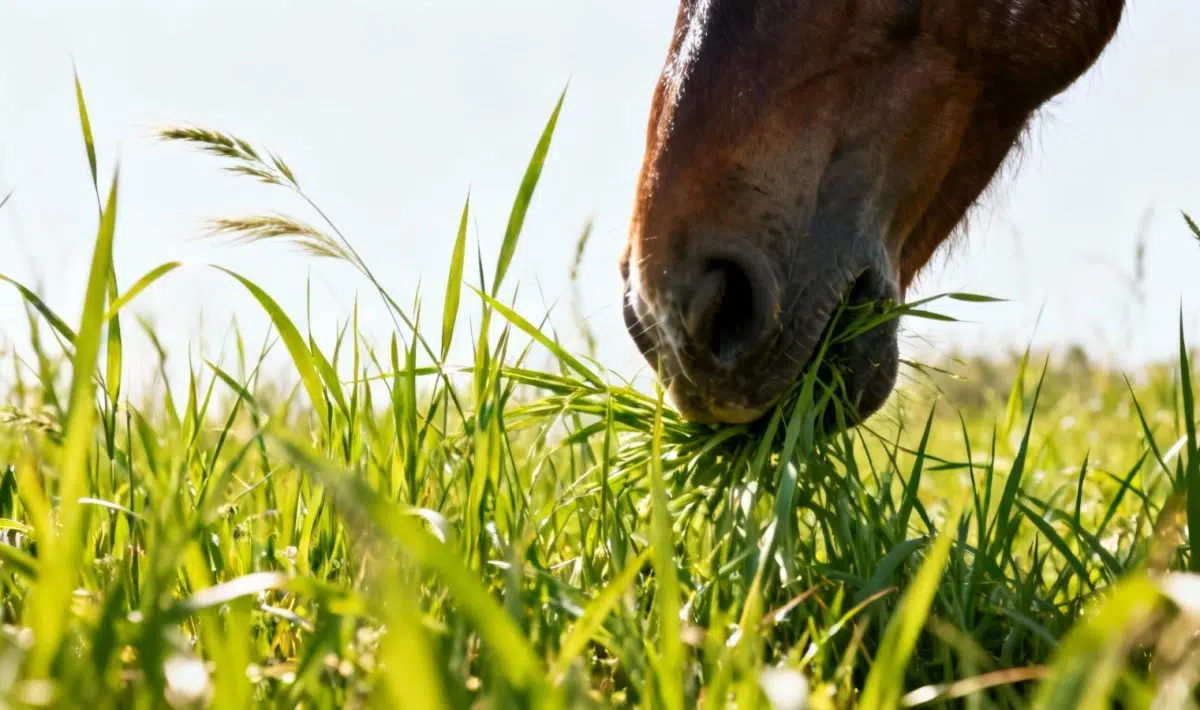
Orchard grass, scientifically known as Dactylis glomerata, stands out as one of the most valuable forage grasses for livestock nutrition, particularly for horses. This perennial grass combines exceptional nutritional qualities with remarkable adaptability to various growing conditions. Understanding its characteristics and cultivation requirements opens up new possibilities for sustainable pasture management and high-quality feed production.
Understanding orchard grass characteristics
The dactyle pelotonné forms distinctive clumps that create dense, productive stands reaching heights between 15 to 140 centimeters under normal conditions. These robust plantes develop an extensive root system extending up to 60 centimeters deep, making them excellent for soil stabilization and erosion control. The feuilles display a characteristic rough texture with widths ranging from 4 to 15 millimeters, while the tiges grow erect or ascending depending on environmental conditions.
What makes this grass particularly special is its early spring growth habit. Among cool-season grasses, Dactylis glomerata emerges as one of the first to break dormancy, providing valuable early-season forage when other grasses remain dormant. The distinctive glomerate flower clusters give this species its common name, appearing as dense, one-sided panicles that can measure 2 to 30 centimeters in length.
Nutritional benefits for horses
Horses benefit tremendously from orchard grass due to its exceptional protein content and palatability. This grass consistently ranks as the protein-richest among common forage grasses, making it an excellent choice for growing horses, lactating mares, and performance animals. The high digestibility ensures efficient nutrient utilization, while the appealing taste encourages consistent consumption.
The nutritional profile remains relatively stable throughout the growing season, though harvesting at the right maturity stage maximizes both quantity and quality. Early cuts typically provide higher protein levels, while later harvests offer greater fiber content suitable for different feeding programs. Understanding these growth patterns helps horse owners optimize their feeding strategies throughout the year.
Optimal growing conditions
Successful cultivation begins with understanding the ideal sol requirements for Dactylis glomerata. This adaptable grass thrives in well-drained soils with pH levels between 6.0 and 7.0, though it tolerates slightly acidic conditions better than many other grasses. The deep racines system allows it to access moisture and nutrients from lower soil layers, contributing to its drought tolerance.
Temperature plays a crucial role in growth patterns, with optimal development occurring in cool, moist conditions. Spring températures between 15 to 20 degrees Celsius promote vigorous nouvelles leaf emergence and tiller development. While it can withstand considerable heat stress, extreme summer temperatures may slow growth and reduce overall productivity.
Water management requires careful attention during establishment and dry periods. Unlike some plants that require constant moisture, such as when you learn about catnip care and culture, orchard grass demonstrates remarkable drought tolerance once established. However, consistent moisture during the first growing season ensures strong root development and healthy stand establishment.
Propagation methods
Direct seeding represents the most common and effective propagation method for establishing orchard grass stands. Graines should be planted at depths between 6 to 13 millimeters, with seeding rates varying from 15 to 25 pounds per acre depending on whether it’s grown in pure stands or mixed with legumes. Spring seeding typically provides the best establishment success, though late summer planting can work in areas with adequate moisture.
The processus of establishment requires attention to soil preparation and weed control during the first year. Unlike more delicate plants that need specialized care similar to explore common lantana propagation tips, orchard grass establishes relatively easily with basic good management practices. Proper soil preparation creates an ideal seedbed for rapid germination and early développement.
Division of existing clumps offers another propagation option, particularly useful for small-scale plantings or when working with specific varieties. This method involves carefully separating mature plants during dormant periods, ensuring each division contains adequate racines and growing points for successful establishment.
Growth management and maintenance
Effective management focuses on maintaining the balance between vegetative growth and reproductive development. Regular grazing or cutting prevents the grass from becoming overly mature and losing palatability. The dense tufted growth habit requires proper spacing to prevent overcrowding and ensure adequate light penetration to all parts of the plant.
Monitoring nouvelles feuilles emergence helps determine optimal harvest timing. The limbe development stage indicates peak nutritional quality, while delayed harvesting may increase fiber content but reduce protein levels. This timing consideration becomes particularly important when planning feeding programs for different classes of horses with varying nutritional requirements.
Fertilization programs should support sustained production without encouraging excessive soft growth that might be more susceptible to disease. Unlike intensive cultivation methods used for crops such as find out about rutabaga cultivation, orchard grass responds well to moderate fertility programs that maintain steady, sustainable growth.
Seasonal care considerations
Spring management begins with assessing winter survival and planning renovation needs. Early-season nitrogen applications can boost initial growth, while phosphorus and potassium should be applied based on soil test recommendations. The rapid printemps growth requires careful monitoring to prevent overgrazing during this critical period.
Summer management focuses on maintaining stand vigor during potentially stressful conditions. Unlike ornamental plants that may need constant attention like understand painted-leaf begonia care, established orchard grass requires minimal summer intervention beyond appropriate grazing management and occasional irrigation during severe drought.
Fall preparation involves allowing adequate recovery time before winter dormancy. This period allows the plante to store energy reserves in the root system, ensuring vigorous spring regrowth. Proper fall management sets the foundation for productive stands in subsequent growing seasons.
Common challenges and solutions
Stand persistence sometimes becomes challenging in areas with poor drainage or extreme weather conditions. Improving soil drainage and selecting appropriate varieties for local conditions addresses most establishment problems. Regular overseeding helps maintain dense stands and prevents weed encroachment.
Disease pressure occasionally affects orchard grass, particularly in humid conditions with poor air circulation. Unlike some sensitive plants such as discover ti plant care requirements, Dactylis glomerata generally shows good disease resistance with proper management. Maintaining adequate plant spacing and avoiding excessive nitrogen applications reduces disease susceptibility.
Weed competition can reduce stand quality and overall production. Establishing dense, vigorous stands provides the best long-term weed control, while selective herbicides can address specific problem weeds when necessary. Regular monitoring allows for early intervention before weed problems become severe.
Orchard grass continues to prove its value as a versatile, nutritious forage option for horse operations. Its combination of high protein content, drought tolerance, and early-season productivity makes it an excellent choice for diverse management systems. Success with this remarkable grass depends on understanding its growth patterns and providing appropriate care throughout the growing season.

Allan is a lifelong gardening enthusiast who still gets excited when the first seedlings pop up in spring. With a deep love for nature and a hands-in-the-soil approach, he shares practical tips, plant discoveries, and clever tricks picked up over years of digging, planting, and observing. Whether you’re a new gardener or have a shed full of tools, Allan writes like a neighbor who’s always happy to swap cuttings and stories over the fence.
You can find more about Allan’s work on Malt or connect with him on LinkedIn.


