
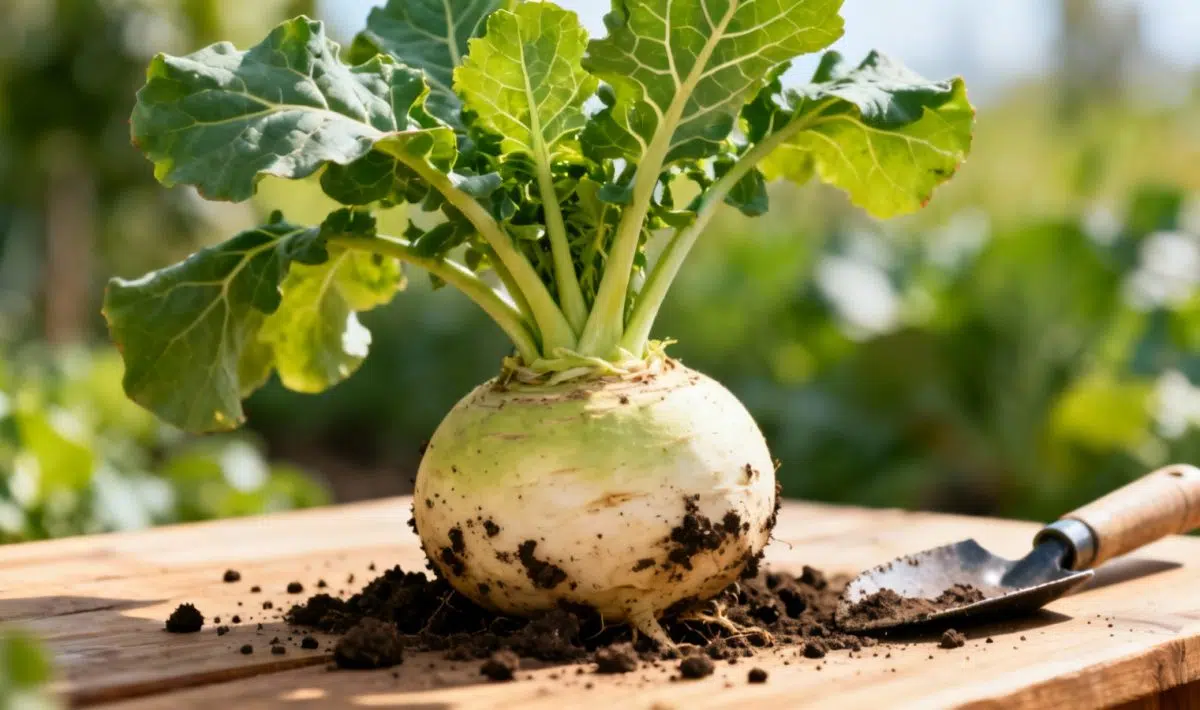
The rutabaga, known scientifically as Brassica napus, is a remarkable root vegetable that deserves a place in every gardener’s plot. This hardy member of the brassica family offers exceptional cold tolerance and nutritional value, making it an ideal choice for autumn and winter cultivation. Unlike its cousin the navet, the rutabaga develops a distinctive sweet flavor that improves with cool weather.
Understanding rutabaga characteristics
The rutabaga is a fascinating hybrid plant that combines the best traits of both chou and turnip varieties. Its thick, purple-topped root develops a creamy yellow flesh underneath the violet collet. This légume can grow quite large, often weighing several pounds when mature. The distinctive couleur pattern makes it easy to identify among other root vegetables in your potager.
This plante is particularly valued for its rich nutrient content. The racine contains high levels of vitamin C, potassium, and fiber, making it an excellent addition to winter meals. The douce, slightly peppery saveur becomes more pronounced after exposure to frost, which converts starches to sugars.
Soil preparation and growing conditions
Success with rutabaga culture begins with proper sol preparation. These légumes prefer deep, well-draining terre that’s rich in organic matter. The ideal pH range falls between 6.0 and 7.0, though rutabagas are quite adaptable to various soil conditions. Work compost or aged manure into the planting area several weeks before semis.
Choose a location that receives full sun to partial shade. While rutabagas tolerate cooler conditions better than many vegetables, they still need adequate light for proper développement. The growing area should have good air circulation to prevent disease issues common in the brassica famille.
Drainage is crucial for healthy racines development. In heavy clay soils, consider creating raised beds or adding coarse sand to improve texture. This prevents waterlogging, which can lead to root rot and poor growth. Much like when learning care tips for painted-leaf begonias, attention to soil conditions makes all the difference in plant success.
Planting and propagation techniques
The best time for rutabaga semis depends on your local climate and intended harvest window. For autumn récolte, sow graines in mid to late summer, approximately 90-100 days before your first expected hard frost. This timing allows the racines to mature during cooler weather when their saveur develops best.
Sow seeds directly in the jardin, as rutabagas don’t transplant well due to their taproot system. Plant seeds ½ inch deep in rows spaced 18 inches apart. Within each row, space seeds 2-3 inches apart, then thin jeunes seedlings to 6 inches apart once they’re established. This gives each plante adequate room for proper root développement.
Water gently but thoroughly after planting. Keep the sol consistently moist but not waterlogged during germination, which typically takes 7-14 days depending on temperature. Once established, rutabagas are quite drought-tolerant, though consistent moisture produces better-quality racines.
Care and maintenance throughout the growing saison
Regular arrosage becomes important as the racines begin to swell. Aim for about an inch of water per week, either from rainfall or irrigation. Inconsistent watering can cause the racines to crack or develop a woody texture. Mulching around the plantes helps retain soil moisture and suppress weeds.
Fertilization should be moderate, as too much nitrogen can result in excessive feuilles growth at the expense of root development. A balanced, slow-release fertilizer applied at planting time usually provides adequate nutrition. Side-dress with compost mid-season if needed, particularly in poor soils.
Monitor for common brassica pests like flea beetles and cabbage worms. Row covers provide excellent protection for jeunes plantes, though they should be removed once the weather cools. The cold tolerance that makes rutabagas excellent for hiver storage also helps reduce pest pressure naturally. For gardeners interested in other hardy plants, growing pontic rhododendron successfully offers similar lessons in cold-weather cultivation.
Harvesting and storage methods
Rutabagas are ready for récolte when the racines reach 3-5 inches in diameter, typically after 90-110 days from semis. However, they can remain in the terre much longer without deteriorating. In fact, exposure to light frost actually improves their douce flavor by converting starches to sugars.
For harvest, carefully dig around each racine with a fork, taking care not to damage the skin. Brush off excess terre but don’t wash them if you plan to store them long-term. The feuilles can be trimmed to about an inch above the collet, leaving enough stem to prevent moisture loss.
Proper conservation extends the rutabaga harvest well into hiver. Store cleaned, undamaged racines in a cool, humid location like a root cellar or refrigerator. They can keep for several months under ideal conditions. Smaller racines tend to store better than very large ones, so consider harvesting oversized specimens first.
Popular variétés and selection tips
Several excellent rutabaga variétés offer different characteristics for home gardeners. ‘American Purple Top’ remains the most widely grown variété, prized for its reliable production and excellent saveur. This standard variété produces large, round racines with the classic purple and cream couleur pattern.
For smaller gardens, ‘Laurentian’ offers a more compact root system while maintaining excellent taste and storage qualities. ‘Joan’ is a newer variété with improved disease resistance and uniform root shape. Some specialty variétés feature different colorations, including all-white or bronze-topped options.
When selecting which variété to grow, consider your local climate and intended use. Some perform better in warmer regions, while others excel in extremely cold conditions. Much like choosing the right how to care for Brazilian jasmine for your climate zone, matching the variété to your growing conditions ensures success.
Common challenges and solutions
While rutabagas are generally easy to cultiver, a few common issues can affect your récolte. Club root disease can be problematic in acidic soils with poor drainage. Improving sol pH and drainage helps prevent this fungal issue. Rotating crops within the brassica famille also reduces disease pressure.
Splitting occurs when racines experience uneven watering, particularly during rapid growth periods. Maintain consistent soil moisture throughout the growing saison to prevent this issue. If splitting does occur, harvest and use those racines immediately as they won’t store well.
Flea beetle damage on jeunes feuilles can weaken seedlings but rarely kills established plantes. Row covers during the first month after semis provide effective protection. As with many garden challenges, understanding seasonal patterns helps, similar to knowing when cultivating oxeye daisies in your garden requires specific timing for best results.
Maximizing your rutabaga harvest
Success with rutabaga culture comes down to timing, soil preparation, and understanding this cold-weather légume’s unique needs. By providing rich, well-draining terre and consistent care throughout the growing saison, you’ll enjoy a bountiful récolte of these nutritious racines.
The investment in growing rutabagas pays dividends through their excellent storage capabilities and versatility in the kitchen. Whether roasted, mashed, or added to stews, these hardy légumes provide fresh, homegrown nutrition throughout the cold months when other fresh produits are scarce.

Allan is a lifelong gardening enthusiast who still gets excited when the first seedlings pop up in spring. With a deep love for nature and a hands-in-the-soil approach, he shares practical tips, plant discoveries, and clever tricks picked up over years of digging, planting, and observing. Whether you’re a new gardener or have a shed full of tools, Allan writes like a neighbor who’s always happy to swap cuttings and stories over the fence.
You can find more about Allan’s work on Malt or connect with him on LinkedIn.


