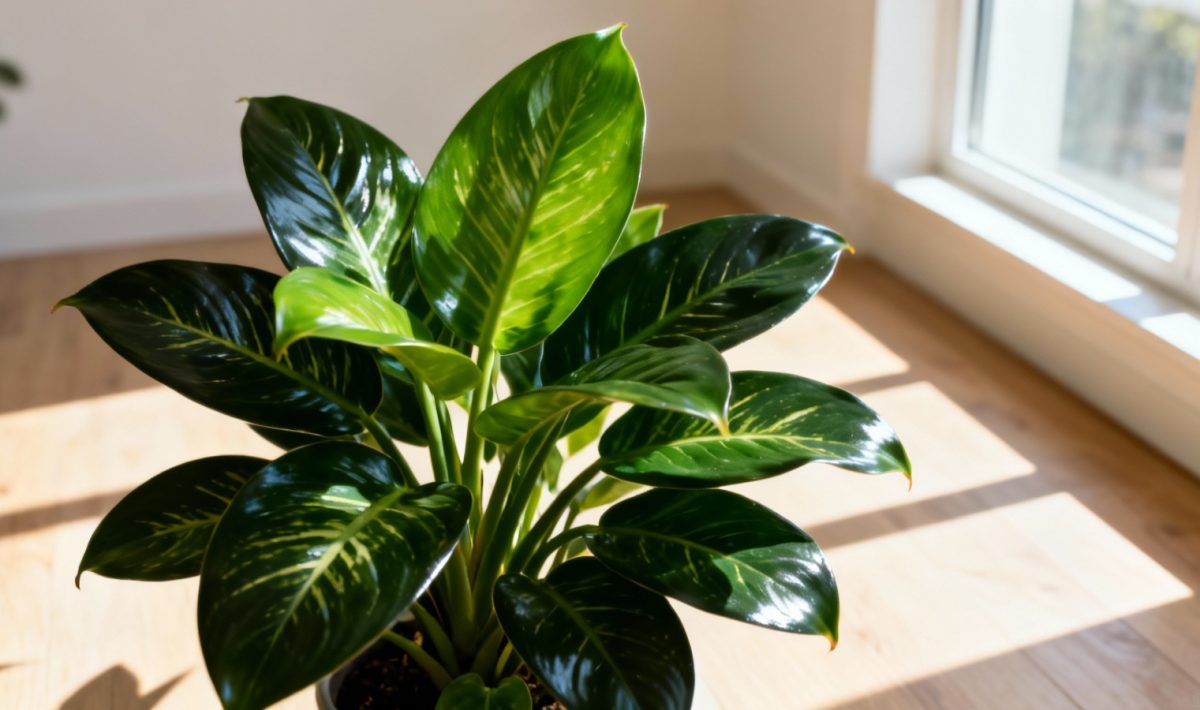
How much sunlight does zanzibar gem need for optimal growth
The Zanzibar Gem, scientifically known as Zamioculcas zamiifolia, has become one of the most beloved houseplants for good reason. This remarkable plant from eastern Africa can thrive in conditions that would challenge many other indoor plants, making it perfect for offices and homes with limited natural light. Understanding how much sunlight does zanzibar gem need will help you provide the best care for this stunning houseplant.
Understanding the zanzibar gem’s lighting preferences
The Zanzibar Gem is incredibly adaptable when it comes to light requirements. This plant can tolerate low light conditions that would stress most other houseplants, but it also appreciates brighter, indirect sunlight. The key is finding the right balance for your specific space and watching how your plant responds.
In its natural habitat, the Zamioculcas zamiifolia grows under the canopy of larger plants, receiving filtered light rather than direct sun. This natural adaptation explains why the plant performs so well in indoor environments with moderate to low lighting conditions.
The plant’s thick, waxy leaves store water and nutrients, allowing it to survive periods of both drought and limited light. This storage ability makes it an incredibly forgiving houseplant that won’t immediately show stress if conditions aren’t perfect.
Optimal light conditions for healthy growth
While the Zanzibar Gem tolerates low light, it truly thrives in bright, indirect light. Placing your plant near a north or east-facing window provides ideal conditions where it can receive gentle morning sunlight without the harsh afternoon rays that could damage its leaves.
Medium light conditions, such as those found 3-5 feet from a bright window, also work wonderfully for this plant. In these conditions, you’ll notice more robust growth and deeper green coloration in the leaves. The plant will develop taller stems and maintain its characteristic glossy appearance.
Direct sunlight, however, can be problematic for the Zanzibar Gem. Too much direct light can cause the leaves to develop brown spots or fade from their beautiful emerald green color. If you notice your plant’s leaves becoming pale or developing burnt patches, it’s receiving too much direct sun.
Low light tolerance and office environments
One of the most remarkable features of the Zanzibar Gem is its exceptional tolerance for low light spaces. This makes it an ideal choice for offices with fluorescent lighting or rooms with limited natural light sources. The plant can maintain its health and appearance even in these challenging conditions.
In low light environments, the plant’s growth will slow down considerably, but it won’t suffer immediate damage. You might notice longer gaps between new growth and slightly smaller leaf development, but the plant will remain healthy and attractive for years with proper care.
Many office workers choose this plant precisely because it can handle the artificial lighting common in commercial spaces. Unlike other plants that require specific light requirements, such as sunlight requirements for common chokecherry, the Zanzibar Gem adapts beautifully to indoor conditions.
Signs your plant needs more or less light
Monitoring your Zanzibar Gem for signs of lighting stress will help you adjust its placement for optimal health. Plants that receive too little light often develop elongated, weak stems as they stretch toward available light sources. The leaves may also become smaller and less vibrant in color.
Conversely, plants receiving too much direct sunlight will show different stress signals. Look for yellowing leaves, brown spots, or a general fading of the rich green color. These symptoms indicate that your plant needs protection from harsh light.
The ideal Zanzibar Gem will have sturdy, upright stems with glossy, dark green leaves. New growth should appear regularly during the growing season, and the overall plant should maintain a full, bushy appearance.
Seasonal lighting adjustments
Like many houseplants, the Zanzibar Gem benefits from seasonal adjustments to its lighting conditions. During winter months when natural light is reduced, you might consider moving your plant closer to a window or supplementing with artificial plant lights.
Summer months often bring stronger sunlight, so you may need to move your plant slightly further from windows or provide some protection with sheer curtains. The goal is maintaining consistent, gentle light throughout the year.
Unlike outdoor plants that have specific seasonal requirements, such as sunlight needs for stunning hollyhocks, indoor Zamioculcas plants prefer stable conditions year-round.
Artificial lighting solutions
For spaces with very limited natural light, artificial plant lights can supplement your Zanzibar Gem’s lighting needs. LED grow lights positioned 12-18 inches above the plant can provide adequate supplemental lighting without generating excessive heat.
Full-spectrum LED lights work best, providing the range of light wavelengths that plants need for photosynthesis. These lights should run for 12-14 hours daily to compensate for the lack of natural sunlight effectively.
Standard office fluorescent lighting can also support plant health, though growth may be slower than with specialized plant lights. The key is ensuring your plant receives consistent lighting for an adequate duration each day.
Placement strategies for different spaces
Choosing the right location for your Zanzibar Gem depends on the specific lighting conditions in your space. In homes with large windows, place the plant where it receives bright, filtered light but avoid direct sun exposure during peak hours.
For apartments or spaces with limited windows, consider locations near any available natural light source. Even a spot several feet from a window can provide adequate light for this adaptable plant to thrive.
Office spaces present unique challenges, but the Zanzibar Gem handles them well. Position your plant where it can benefit from both artificial office lighting and any available natural light from windows. Unlike trees that need specific conditions like optimal sunlight for silver maples, this houseplant adapts to mixed lighting sources.
Care adjustments based on lighting conditions
Your watering schedule should reflect the lighting conditions your plant receives. Plants in brighter light will use water more quickly and may require more frequent watering, while those in lower light need less frequent watering to prevent root rot.
Fertilizing requirements also change with light levels. Plants receiving more light can process nutrients more efficiently and may benefit from monthly feeding during the growing season. Plants in lower light should receive fertilizer less frequently, perhaps every 6-8 weeks.
Regular rotation ensures even growth regardless of lighting conditions. Turn your plant a quarter turn every few weeks so all sides receive equal light exposure, preventing the plant from leaning toward its light source.
Common lighting mistakes to avoid
Many new plant owners make the mistake of placing their Zanzibar Gem in completely dark corners, assuming its low-light tolerance means no light at all. While the plant is remarkably tolerant, it still needs some light for photosynthesis and healthy growth.
Another common error is sudden changes in lighting conditions. If you need to move your plant, do so gradually over several days to help it adjust. Sudden changes from bright to dim locations (or vice versa) can stress the plant unnecessarily.
Avoid placing the plant directly in front of heating or cooling vents, as the air circulation can dry out the leaves regardless of lighting conditions. Unlike specialized plants such as sunlight needs for healthy bluegrass, indoor plants need stable environmental conditions.
Maximizing growth potential
To encourage the best possible growth from your Zanzibar Gem, aim for bright, indirect light whenever possible. This sweet spot provides enough energy for photosynthesis without the stress of direct sunlight.
Consider using mirrors or light-colored surfaces near your plant to reflect additional light gently. This technique can brighten a space without moving the plant to a potentially less suitable location.
During active growing seasons (spring and summer), your plant will benefit most from optimal lighting conditions. Unlike outdoor specimens that require specific care like light requirements for Mediterranean cypress, indoor plants maintain more consistent needs throughout the year.
Long-term health considerations
With proper lighting, your Zanzibar Gem can live for many years and even decades with minimal care requirements. The plant’s natural longevity makes it an excellent investment for both home and office environments.
Regular observation of your plant’s response to its current lighting will help you maintain optimal conditions. Healthy plants will reward you with steady growth and the occasional appearance of new shoots from the soil.
Remember that this plant’s flexibility with lighting conditions makes it suitable for changing life circumstances. Whether you move homes, rearrange furniture, or change office spaces, your Zanzibar Gem will likely adapt successfully with minimal adjustment stress.
The Zanzibar Gem truly stands out among houseplants for its remarkable adaptability to various lighting conditions. Unlike more demanding species such as sunlight needs for vibrant treasure flowers, this plant offers beauty and air-purifying benefits without requiring perfect conditions. With basic attention to its lighting preferences, your Zanzibar Gem will provide years of low-maintenance beauty in any indoor space.
Allan is a lifelong gardening enthusiast who still gets excited when the first seedlings pop up in spring. With a deep love for nature and a hands-in-the-soil approach, he shares practical tips, plant discoveries, and clever tricks picked up over years of digging, planting, and observing. Whether you’re a new gardener or have a shed full of tools, Allan writes like a neighbor who’s always happy to swap cuttings and stories over the fence.
You can find more about Allan’s work on Malt or connect with him on LinkedIn.