Understanding the sunlight demands of Mediterranean cypress
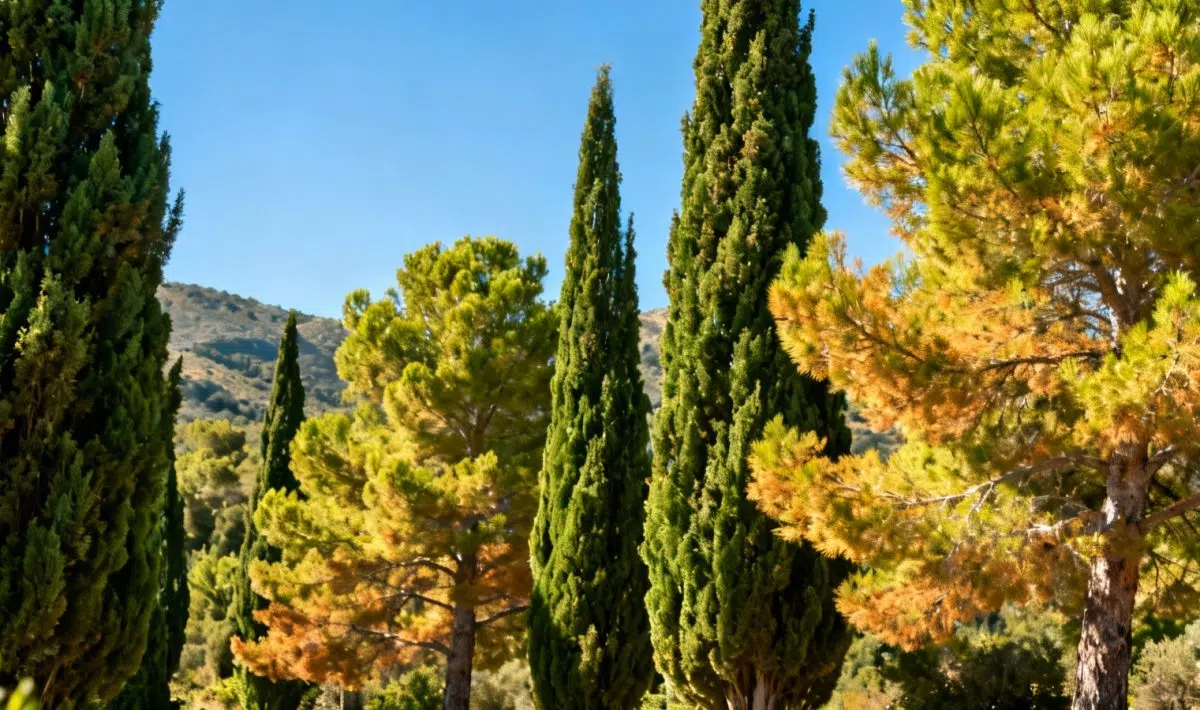
When it comes to growing Mediterranean cypress trees, sunlight isn’t just important—it’s absolutely essential. These elegant, towering beauties require at least 6 to 8 hours of direct sunlight daily to truly thrive in your garden. The question of how much sunlight does Mediterranean cypress need becomes crucial when you’re planning where to plant these stunning specimens.
Mediterranean cypress trees are what we call heliophilic plants, meaning they’re genuine sun-lovers from the Mediterranean region. Without adequate exposure to bright, direct sunlight, these trees simply won’t develop their characteristic tall, columnar shape that makes them so popular for landscaping projects.
Daily sunlight requirements for healthy growth
The magic number for Mediterranean cypress trees is clear: they need a minimum of 6 hours of direct sunlight each day, though 8 hours is even better. During the active growing season, this consistent exposure to bright sunlight fuels their vigorous growth and helps them develop that distinctive dark green foliage we all admire.
Morning sunlight provides gentler rays that are perfect for young plants just getting established. However, mature Mediterranean cypress trees can handle and actually benefit from the more intense afternoon sun. This intensity helps strengthen their natural resistance to diseases and pests that might otherwise trouble your trees.
Just as different plants have varying needs—much like how you might research sunlight requirements for lemon trees or other garden favorites—Mediterranean cypress has its own specific demands that you’ll want to understand completely.
Comparing sunlight needs across different growth stages
Young seedlings and their light requirements
When you’re starting with young Mediterranean cypress plants or seedlings, they’ll appreciate that gentle morning sunlight I mentioned earlier. These tender plants need protection from the harshest midday rays while still receiving adequate light for photosynthesis and healthy development.
For the first year, aim to provide your young cypress with 6 hours of sunlight, but consider offering some afternoon shade if you live in an extremely hot climate. This balanced approach helps establish strong root systems without overwhelming the delicate foliage.
Mature trees and full sun tolerance
Once your Mediterranean cypress reaches maturity, it becomes remarkably tolerant of intense, all-day sunlight. In fact, mature trees prefer full sun exposure and can handle even the most challenging summer conditions when properly established in well-draining soil.
These established trees develop a natural resilience that allows them to thrive in conditions that might stress other garden plants. Similar to how you might consider optimal sunlight for treasure flowers when planning your garden layout, understanding these mature cypress needs helps you create the perfect environment.
Signs of insufficient sunlight exposure
Recognizing when your Mediterranean cypress isn’t getting enough sunlight is crucial for maintaining healthy trees. The most obvious signs include yellowing or browning of the needle-like foliage, particularly on the lower branches where light penetration is naturally reduced.
You might also notice that your tree develops a sparse, open growth pattern rather than the dense, columnar shape characteristic of healthy Mediterranean cypress. The growth rate will slow considerably, and the overall vigor of the tree will decline noticeably over time.
Another telltale sign is increased susceptibility to pests and diseases. Trees growing in insufficient light become stressed and lose their natural resistance to problems that wouldn’t normally affect healthy specimens. When considering your garden’s overall light management, you might also want to understand requirements for other species like growing white ash trees in sunlight to create a cohesive planting plan.
Optimizing sunlight exposure in your garden
Choosing the perfect location
The ideal spot for your Mediterranean cypress should receive unobstructed sunlight from morning through late afternoon. Avoid planting near large buildings, mature trees, or other structures that might cast shadows during peak sunlight hours.
South-facing locations typically provide the most consistent sunlight throughout the day, making them excellent choices for these sun-loving trees. However, east or west-facing areas can also work well if they receive at least those crucial 6 to 8 hours of direct exposure.
Managing seasonal light variations
Remember that sunlight patterns change throughout the year, and what seems like adequate exposure in summer might become insufficient during shorter winter days. Plan your planting location with these seasonal variations in mind, ensuring your cypress will receive adequate light even during the shortest days of the year.
During winter months, the lower angle of the sun means that obstacles like fences or neighboring plants might cast longer shadows than you’d expect. This is where understanding various plant light needs becomes valuable—similar to how you might research sunlight needs for calla lilies when planning mixed plantings.
Creating the ideal growing environment
Beyond just sunlight hours, the quality of that light exposure matters tremendously for Mediterranean cypress health. These trees perform best when they receive consistent, direct sunlight rather than filtered or dappled light that might come through tree canopies or shade structures.
If you’re working with a garden that has varying light conditions throughout the day, position your Mediterranean cypress in the brightest area available. The investment in proper placement will pay dividends in terms of growth rate, foliage density, and overall tree health over the years.
Consider also how your garden’s light conditions might affect other plants you’re growing. Understanding requirements for different species—whether you’re researching large-leaved lime sunlight preferences or annual bluegrass sunlight requirements—helps create a harmonious garden where each plant gets exactly what it needs.
Practical tips for success with Mediterranean cypress
When planning your Mediterranean cypress planting, observe your intended location throughout an entire day to accurately assess sunlight exposure. Take note of when shadows appear and disappear, and calculate the total hours of direct sunlight the area receives.
Remember that adequate sunlight is just one component of successful Mediterranean cypress cultivation. These trees also require well-draining soil and proper spacing to allow air circulation around their foliage. However, without sufficient sunlight, even perfect soil conditions won’t compensate for inadequate light exposure.
If you’re purchasing plants or seeds for your garden, choose suppliers who understand the specific needs of Mediterranean species. Quality plants that have been properly hardened off in full sun conditions will establish more successfully in your garden than those grown in shadier nursery conditions.
Long-term benefits of proper sunlight exposure
Mediterranean cypress trees that receive adequate sunlight develop into magnificent specimens that can serve as focal points in your landscape for decades. These trees, when properly situated in full sun locations, develop the dense, upright growth habit that makes them perfect for creating natural privacy screens or dramatic architectural elements in garden design.
The investment you make in choosing the right sunny location for your Mediterranean cypress will reward you with faster growth, better disease resistance, and that classic Mediterranean landscape aesthetic that transforms any garden space into something truly special.
Allan is a lifelong gardening enthusiast who still gets excited when the first seedlings pop up in spring. With a deep love for nature and a hands-in-the-soil approach, he shares practical tips, plant discoveries, and clever tricks picked up over years of digging, planting, and observing. Whether you’re a new gardener or have a shed full of tools, Allan writes like a neighbor who’s always happy to swap cuttings and stories over the fence.
You can find more about Allan’s work on Malt or connect with him on LinkedIn.