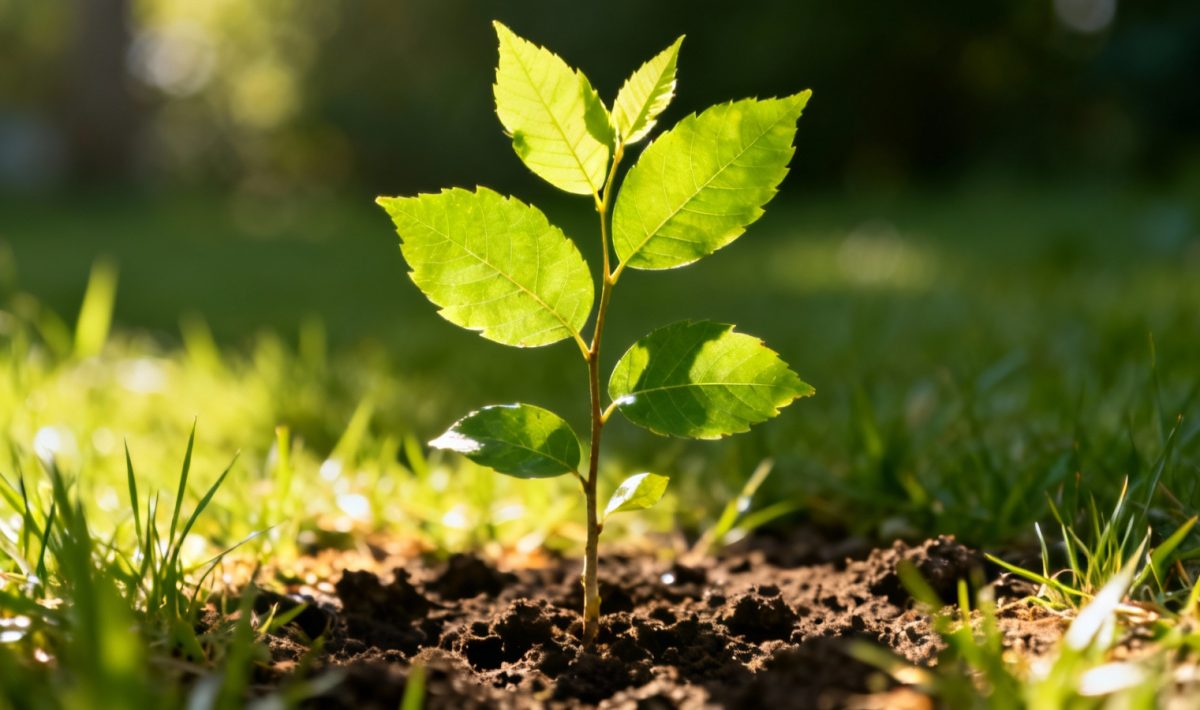
White ash trees are remarkable specimens that demonstrate impressive adaptability when it comes to light conditions. These majestic trees can tolerate moderate shade but truly thrive when given access to full sun or partial shade. Understanding exactly how much sunlight your white ash needs will make the difference between a struggling sapling and a robust, towering tree that adds value to your landscape for decades to come.
The white ash employs what botanists call a “gap species strategy,” which makes it particularly well-suited for environments with variable light conditions. This adaptation allows the tree to maximize growth when sunlight is abundant while conserving energy during shadier periods. From my experience working with these trees, I’ve noticed they display remarkable patience, much like how gardeners need to understand the specific requirements of different plants, such as learning about the sunlight needs of white clover for ground cover applications.
Optimal light conditions for white ash growth
White ash trees perform best with at least 6-8 hours of direct sunlight daily. This generous amount of sun exposure enables the tree to photosynthesize efficiently, producing the energy needed for robust growth. In ideal conditions, a young white ash can reach heights of 10 meters within just 20 years, demonstrating the significant impact that proper light exposure has on development rates.
However, these adaptable trees can manage with less light when necessary. In partial shade conditions receiving 4-6 hours of sunlight, white ash trees will still grow, though at a reduced pace. The key difference lies in understanding that while the tree survives in shade, its growth rate and overall health improve dramatically with increased sun exposure.
During my years of tree cultivation, I’ve observed that white ash trees in full sun develop stronger branch structures and denser foliage. The enhanced light availability also improves the tree’s natural resistance to diseases and pests, creating a healthier specimen overall.
Age-related differences in light requirements
Young white ash saplings actually benefit from some protection during their first growing season. While mature trees crave full sun, seedlings can be sensitive to intense afternoon heat and may appreciate light shade during the hottest part of the day. This protective approach helps establish strong root systems before the tree faces the full intensity of direct sunlight.
As the tree matures beyond its second year, gradually increasing sun exposure becomes beneficial. Adult white ash trees develop thick, protective bark that shields them from sun damage while maximizing their photosynthetic capacity. The transition from protected seedling to sun-loving adult typically occurs over 2-3 growing seasons.
This gradual adaptation mirrors how other plants adjust to changing light conditions. For instance, understanding how different species like lemon trees and sunlight requirements work can help gardeners appreciate the importance of matching light exposure to plant maturity levels.
Choosing the right location for planting
When selecting a planting site for white ash, prioritize open spaces that receive morning and afternoon sun. Avoid locations that are heavily shaded by buildings, larger trees, or other structures that could limit light access. The ideal spot offers protection from harsh winds while maintaining excellent sun exposure throughout the growing season.
Consider the long-term growth potential of your white ash when choosing its location. These trees can reach impressive heights and spread, so ensure adequate space for both current and future needs. A location that seems perfectly sunny for a young sapling might become problematic if neighboring trees grow and create unwanted shade over time.
Soil drainage plays a crucial role alongside sun exposure. White ash trees prefer well-draining soils that don’t retain excess moisture, especially during winter months. The combination of proper drainage and full sun creates the optimal growing environment for these magnificent trees.
Climate and geographical considerations
White ash trees demonstrate remarkable tolerance for various climate conditions, thriving from sea level up to elevations of 1,500 meters. This adaptability extends to their light requirements, which can vary slightly based on geographical location and local climate patterns. In northern regions with shorter growing seasons, maximizing sun exposure becomes even more critical for proper tree development.
The tree’s cold hardiness allows it to withstand temperatures as low as -17°C, making it suitable for many temperate regions. However, late spring frosts can damage emerging buds, which is why proper site selection combines sun exposure with protection from frost pockets and cold air drainage areas.
Just as gardeners need to understand specific requirements for different ornamental plants like calla lily sunlight preferences for flower gardens, white ash cultivation requires attention to local growing conditions and seasonal patterns that affect light availability throughout the year.
Maximizing growth through proper sun management
To optimize your white ash tree’s development, monitor seasonal changes in sun patterns around your planting site. What appears to be full sun during winter months might become partially shaded once deciduous trees leaf out in spring. Regular observation helps identify potential issues before they impact tree health.
Pruning nearby vegetation can improve light access for your white ash without requiring relocation. Strategic removal of competing branches from neighboring trees often provides the additional sunlight needed for optimal growth. This approach works particularly well in established landscapes where moving the ash tree isn’t practical.
Professional arborists often recommend thinning overcrowded areas to improve light penetration for valuable specimens like white ash. Similar principles apply to managing light for other trees in your landscape, such as understanding large-leaved lime and its light needs when planning mixed plantings.
Signs your white ash needs more sunlight
Recognizing the symptoms of insufficient light helps you address problems before they become severe. White ash trees receiving inadequate sunlight often display sparse foliage, elongated growth between leaves, and pale green coloration instead of the rich, vibrant green of healthy specimens. These visual cues indicate the tree is stretching toward available light sources.
Poor branch development represents another clear indicator of light deficiency. Trees in too much shade tend to develop weak, spindly branches that lack the structural integrity needed to support healthy growth. Additionally, reduced flowering and seed production often signal that the tree isn’t receiving enough energy from photosynthesis to support reproductive activities.
The growth rate provides perhaps the most telling evidence of light adequacy. White ash trees receiving proper sunlight maintain steady, robust growth throughout the growing season. In contrast, light-starved specimens show minimal height increases and may even appear to stop growing during what should be peak development periods.
Comparing white ash with other landscape trees
Understanding how white ash light requirements compare to other common landscape trees helps with overall garden planning. While white ash prefers full sun to partial shade, it’s more tolerant of varying conditions than some species that demand constant, intense light. This flexibility makes it an excellent choice for landscapes with mixed light conditions.
The tree’s ability to adjust its growth rate based on available light distinguishes it from more rigid species. This characteristic proves particularly valuable in evolving landscapes where light conditions change as other plants mature. For ground-level plantings beneath white ash trees, consider species like annual bluegrass sunlight requirements that can adapt to the filtered light conditions created by the tree’s canopy.
When planning mixed plantings, white ash serves as an excellent canopy tree that can provide dappled shade for understory plants while maintaining its own health in full sun locations. This versatility makes it a cornerstone species for many landscape designs.
Long-term care and light management
Successful white ash cultivation requires ongoing attention to changing light conditions throughout the tree’s lifespan. As your landscape matures, regularly assess whether your white ash continues to receive adequate sunlight. What worked during the tree’s early years might need adjustment as surrounding vegetation grows and changes.
Implementing a regular pruning schedule for both your white ash and nearby plants helps maintain optimal light conditions. Professional tree care services can provide guidance on maintaining proper light balance while preserving the overall landscape design. Remember that investing in proper light management during the tree’s formative years pays dividends through decades of healthy growth and enhanced property value.
Allan is a lifelong gardening enthusiast who still gets excited when the first seedlings pop up in spring. With a deep love for nature and a hands-in-the-soil approach, he shares practical tips, plant discoveries, and clever tricks picked up over years of digging, planting, and observing. Whether you’re a new gardener or have a shed full of tools, Allan writes like a neighbor who’s always happy to swap cuttings and stories over the fence.
You can find more about Allan’s work on Malt or connect with him on LinkedIn.