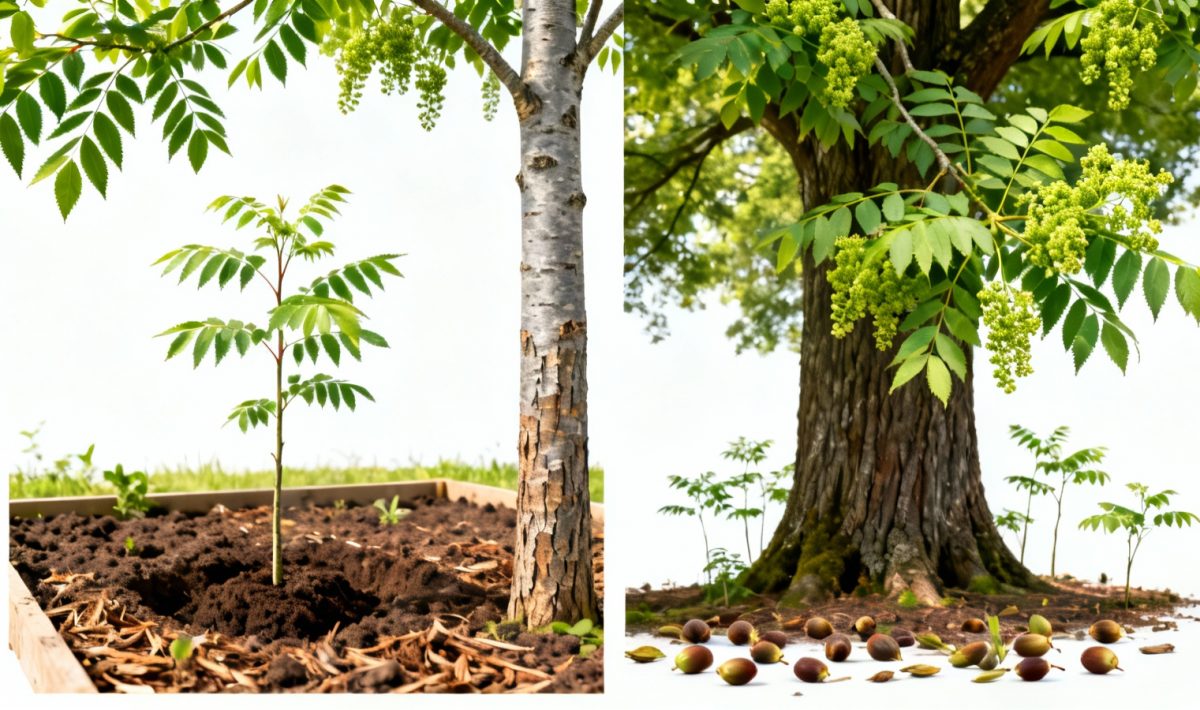
European ash – Fraxinus excelsior: botanical characteristics, cultivation methods and conservation strategies
The European ash – Fraxinus excelsior stands as one of Europe’s most magnificent deciduous trees, commanding attention with its towering presence and distinctive compound leaves. This remarkable species has graced European landscapes for millennia, reaching impressive heights of 60-80 feet while spreading its canopy across 50-90 feet of space.
Today, I’m excited to share everything you need to know about this extraordinary tree species. Whether you’re considering adding one to your landscape or simply curious about its fascinating characteristics, this comprehensive overview will provide you with practical insights into the world of Fraxinus excelsior.
The European ash presents a striking appearance that makes it easily recognizable throughout the growing season. Its most distinctive feature lies in its compound pinnate leaves, composed of 7-15 dark green leaflets that can reach up to 35 cm in total length. These leaves create a dense canopy that provides excellent shade during summer months.
During winter, the tree’s characteristic black buds become prominent identification markers. The bark develops a distinctive diamond-shaped pattern as the tree matures, adding visual interest even when the tree is dormant. Much like how gardeners appreciate the year-round appeal of care tips for oleander plants, ash trees offer seasonal beauty through their changing appearance.
The flowers of Fraxinus excelsior appear in early spring as small, purplish clusters before the leaves emerge. These inconspicuous blooms are followed by distinctive winged seeds called samaras, which hang in pendulous clusters and provide food for various bird species throughout autumn and winter.
Growth habits and mature size
European ash trees demonstrate moderate growth rates, typically adding 12-18 inches of height annually under optimal conditions. Young trees establish quickly after transplanting, making them relatively easy to incorporate into landscape designs. The species develops a rounded crown with dense branching that creates excellent shade coverage.
At maturity, these impressive specimens can live for 200-300 years, developing thick trunks that may exceed 6 feet in diameter. The extensive root system helps stabilize soil and prevents erosion, making ash trees valuable for environmental restoration projects.
Optimal growing conditions for European ash cultivation
Creating the right environment for Fraxinus excelsior begins with understanding its natural habitat preferences. These trees thrive in full sun exposure, requiring at least 6 hours of direct sunlight daily for optimal growth and development.
Soil requirements prove quite flexible, though the species performs best in moist, well-draining soil with neutral to slightly alkaline pH levels between 6.0-7.5. European ash demonstrates remarkable tolerance for various soil types, including clay, loam, and sandy soils, provided drainage remains adequate.
Climate and hardiness considerations
The species shows excellent cold tolerance, thriving in USDA zones 5-8 and withstanding temperatures as low as -10°C. However, late spring frosts can damage emerging buds and young leaves, so protection may be necessary in areas prone to unexpected temperature drops.
Moisture requirements remain moderate to high, with established trees showing good drought tolerance once their root systems develop fully. Regular watering during the first two growing seasons helps ensure successful establishment.
Disease management and tree health
Unfortunately, European ash faces significant challenges from various diseases, most notably ash dieback caused by the fungus Hymenoscyphus fraxineus. This devastating disease has affected ash populations across Europe, causing crown dieback, bark lesions, and eventual tree death in many cases.
Early symptoms include leaf wilting, premature leaf drop, and distinctive diamond-shaped lesions on the bark. As the disease progresses, branches begin dying back from the crown, eventually compromising the entire tree structure.
Prevention strategies focus on selecting resistant varieties when available and maintaining overall tree health through proper nutrition and watering. Some research suggests that certain genetic lines show natural resistance to ash dieback, offering hope for future conservation efforts.
Other common health issues
Beyond ash dieback, European ash trees may encounter other fungal diseases, including ash rust and various canker diseases. Regular monitoring helps catch problems early, when treatment options remain most effective. Just as successful gardening requires attention to detail with species like propagation methods for Monstera obliqua, ash tree care demands vigilance and proper maintenance.
Insect pests, including the emerald ash borer in some regions, pose additional threats to tree health. Professional consultation becomes valuable when dealing with these serious pest issues.
Propagation techniques and best practices
European ash propagation typically occurs through seed collection and sowing, though the process requires patience and specific timing. Seeds should be collected in autumn when fully mature, appearing as brown, papery samaras hanging in clusters.
Fresh seeds require cold stratification for 3-4 months at temperatures around 1-4°C to break dormancy. This process mimics natural winter conditions and improves germination rates significantly. Sow stratified seeds in spring in well-prepared seedbeds with consistent moisture.
Alternative propagation methods
Grafting techniques allow propagation of specific cultivars or resistant varieties, though this method requires more technical skill. Root cuttings taken from young trees sometimes produce new plants, though success rates vary considerably.
Nursery-grown seedlings often provide the most reliable option for home gardeners, offering established root systems and verified genetic characteristics. When selecting nursery stock, choose specimens with straight trunks and healthy, well-distributed branching.
Cultural significance and practical applications
Throughout European history, ash wood has provided material for tool handles, furniture, and sporting goods due to its exceptional strength-to-weight ratio. The species’ dense, shock-resistant wood remains highly valued for applications requiring durability and flexibility.
Ecologically, European ash trees support diverse wildlife communities. The seeds provide food for numerous bird species, while the dense canopy offers nesting sites and shelter. Understanding these ecological relationships helps gardeners appreciate the broader environmental benefits of cultivating native trees, similar to how cultivating the southern magnolia tree supports local ecosystems.
Modern conservation efforts
Current research focuses on identifying and developing ash varieties with natural resistance to diseases like ash dieback. Genetic studies have revealed promising resistance traits in certain populations, offering hope for species preservation.
Seed banking programs work to preserve genetic diversity, collecting seeds from diverse populations across the species’ natural range. These efforts ensure that future restoration projects will have access to varied genetic material. Conservation strategies often mirror approaches used for other valuable species, including careful selection and monitoring techniques similar to those employed in growing hardy fuchsia successfully.
Maintenance and long-term care strategies
Young European ash trees benefit from regular pruning to develop strong branch structure and remove competing leaders. Perform pruning during dormant seasons to minimize stress and reduce disease transmission risk.
Established trees require minimal maintenance beyond monitoring for disease symptoms and ensuring adequate soil moisture during drought periods. Mulching around the base helps retain moisture and suppress competing vegetation while providing slow-release nutrients as organic matter decomposes.
Fertilization rarely becomes necessary for ash trees growing in average garden soils, though annual soil testing can reveal specific nutrient deficiencies. When supplemental feeding is required, slow-release fertilizers applied in early spring provide steady nutrition throughout the growing season.
The attention to detail required for ash tree care shares similarities with other specialized plant cultivation, such as understanding the specific requirements found in tips for growing Capsicum annuum for successful harvests.
European ash trees continue to represent both challenges and opportunities in modern forestry and landscaping. While disease pressures create concerns, ongoing research and conservation efforts provide hope for maintaining these magnificent trees in our landscapes. Through careful cultivation practices, disease monitoring, and support for conservation programs, we can help ensure that future generations will continue to enjoy the beauty and benefits of Fraxinus excelsior in European forests and gardens.
Allan is a lifelong gardening enthusiast who still gets excited when the first seedlings pop up in spring. With a deep love for nature and a hands-in-the-soil approach, he shares practical tips, plant discoveries, and clever tricks picked up over years of digging, planting, and observing. Whether you’re a new gardener or have a shed full of tools, Allan writes like a neighbor who’s always happy to swap cuttings and stories over the fence.
You can find more about Allan’s work on Malt or connect with him on LinkedIn.