Understanding Oleander – Nerium oleander basics
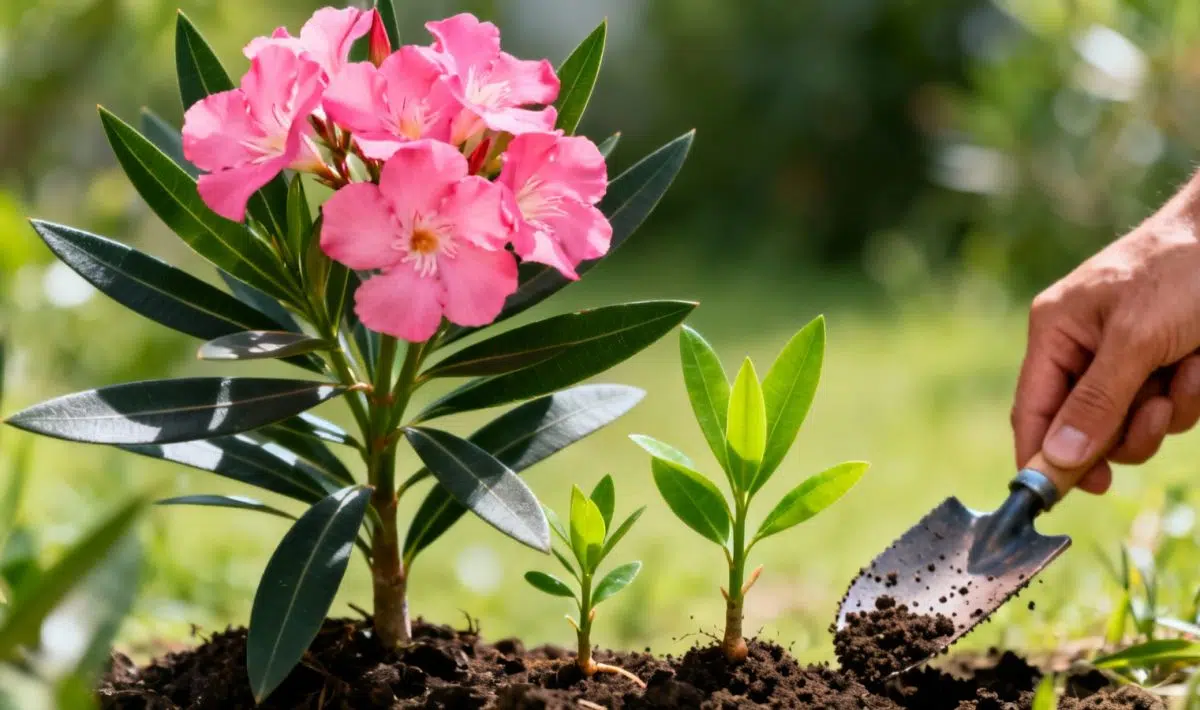
The Oleander, scientifically known as Nerium oleander, stands as one of the most beloved Mediterranean shrubs for gardeners worldwide. This evergreen beauty captivates with its stunning rose-colored flowers and remarkable resilience. Today, I’m excited to share everything you need to know about growing and caring for this magnificent plant in your garden or container.
Oleander plants typically reach heights between 0.6 to 5 meters, with a spread of 2 to 3 meters when fully mature. Their dark green, leathery leaves create an elegant backdrop for the abundant flowering display that lasts from May through October. The flowers come in various colors including white, pink, red, yellow, and even bicolored varieties, making them perfect for any garden design.
Key characteristics of oleander plants
These Mediterranean natives boast several distinctive features that make them exceptional garden additions. The persistent foliage remains attractive year-round, while the dense, bushy growth habit provides excellent screening potential. Dwarf varieties like ‘Colnem’ stay compact at around 80 cm, perfect for smaller spaces or container growing.
The flowering period extends for an impressive 5-6 months in southern regions, producing terminal clusters of up to 80 individual flowers per bouquet. However, it’s crucial to remember that all parts of the oleander plant are toxic if ingested, so handle with care and keep away from children and pets.
Essential oleander care and growing conditions
Successful oleander cultivation depends on understanding their Mediterranean origins and specific growing requirements. These plants thrive in well-draining soil and full sun exposure, making them ideal for warm climate gardens or protected container growing in cooler regions.
Soil requirements and planting considerations
Oleanders prefer well-draining soil that doesn’t retain excess water around the roots. A sandy or loamy mix works best, with good drainage being more important than soil fertility. When planting in containers, use a quality potting mix amended with perlite or sand to ensure proper drainage.
For garden planting, space oleanders 2-3 meters apart to allow for their mature spread. Container growing requires pots at least 40-50 cm in diameter for optimal root development. The soil pH should be neutral to slightly alkaline, though oleanders adapt well to various soil conditions.
Watering and irrigation needs
During the growing season, maintain consistent moisture without waterlogging the roots. Water deeply but less frequently, allowing the top layer of soil to dry between watering sessions. Container plants require more frequent watering, especially during hot summer months when growth and flowering peak.
Reduce watering significantly during winter months, particularly for plants overwintered indoors or in protected areas. Established garden plants show excellent drought tolerance once their root systems develop, typically after the first growing season.
Light and temperature requirements
Full sun exposure produces the best flowering and maintains compact, healthy growth. Oleanders need at least 6-8 hours of direct sunlight daily for optimal performance. In regions with harsh winters, container plants can be moved to bright, protected locations when temperatures drop below -5°C.
These plants tolerate summer heat exceptionally well but require protection from frost and freezing temperatures. In colder climates, winter protection or indoor overwintering becomes essential for plant survival.
Propagation methods and techniques
Propagating oleanders is remarkably straightforward, making it easy to expand your collection or share plants with fellow gardeners. The most successful method involves taking semi-hardwood cuttings during late spring or early summer when growth is most vigorous.
Cutting propagation step-by-step
Select healthy, non-flowering shoots about 10-15 cm long from the current year’s growth. Make clean cuts just below a leaf node and remove the lower leaves, leaving only 2-3 pairs at the top. Dip the cut end in rooting hormone to encourage faster root development.
Plant cuttings in a well-draining propagation mix of sand and peat or perlite. Maintain consistent moisture and provide bright, indirect light until roots develop, typically within 4-6 weeks. Once rooted, gradually acclimate the young plants to more direct sunlight before transplanting.
Just as care tips for hardy fuchsia emphasize proper timing for propagation, oleander cuttings root best when taken during active growth periods in late spring.
Maintenance and pruning practices
Regular pruning keeps oleanders healthy and promotes abundant flowering. Prune immediately after the main flowering period ends, typically in late autumn or early winter. Remove dead, damaged, or crossing branches first, then shape the plant as desired.
Light annual pruning maintains size and encourages new growth, while harder pruning every few years rejuvenates older plants. Always wear gloves when pruning due to the plant’s toxic sap, and clean tools thoroughly afterward.
Fertilization and feeding schedules
Oleanders benefit from regular feeding during the growing season to support their extended flowering period. A balanced, slow-release fertilizer applied in early spring provides steady nutrition throughout the growing season.
Container plants require more frequent feeding, with monthly applications of liquid fertilizer during active growth. Reduce or eliminate feeding during winter months when growth slows significantly. Organic compost worked into the soil annually benefits both container and garden plants.
Similar to growing nutritious pepper plants, oleanders respond well to consistent nutrition that supports both foliage health and flower production.
Common problems and solutions
Oleanders face few serious pest or disease issues when grown in appropriate conditions. Aphids occasionally attack new growth, while scale insects may appear on stressed plants. Regular inspection and early intervention prevent most problems from becoming serious.
Leaf drop often indicates watering stress, either too much or too little moisture. Yellow leaves typically signal overwatering or poor drainage, while brown leaf edges suggest underwatering or salt buildup in containers.
Fungal diseases rarely affect healthy oleanders, though poor air circulation and excessive humidity can promote problems. Ensure adequate spacing and avoid overhead watering to maintain plant health.
Container growing and seasonal care
Container cultivation allows gardeners in cooler climates to enjoy oleanders year-round. Choose large containers with excellent drainage holes and use quality potting mix designed for Mediterranean plants.
During winter, container plants need protection from freezing temperatures. Move them to unheated greenhouses, conservatories, or bright indoor locations where temperatures stay above freezing. Reduce watering dramatically and eliminate feeding until spring growth resumes.
Much like cultivating evergreen azaleas successfully, container oleanders require attention to specific seasonal needs and protection from extreme temperatures.
Landscaping applications and design ideas
Oleanders excel in various landscape applications, from privacy hedges to specimen plantings. Their dense growth habit and extended flowering period make them valuable additions to Mediterranean-style gardens, coastal landscapes, or container displays.
Plant oleanders as background shrubs in mixed borders, where their evergreen foliage provides year-round structure. They pair beautifully with other Mediterranean plants like lavender, rosemary, and olive trees, creating cohesive, drought-tolerant plantings.
For balcony and terrace gardens, dwarf varieties in decorative containers create stunning focal points. Their tolerance for wind and salt spray makes them excellent choices for coastal gardens where other plants struggle.
Understanding proper spacing and growth habits proves as important for oleanders as it does for best practices for growing potatoes, ensuring each plant has adequate room for healthy development.
Purchasing and varieties selection
When selecting oleander plants, consider your growing space and climate conditions. Dwarf varieties suit container growing and smaller gardens, while standard varieties work well for hedging and larger landscape applications.
Popular varieties include ‘Turner Carnaval’ with its distinctive rose-burgundy flowers reaching 1.6 meters, perfect for medium-sized gardens. White-flowering varieties like ‘Album’ provide elegant contrast in mixed plantings, while double-flowered forms offer extra visual impact.
Purchase plants from reputable nurseries that can provide variety information and growing advice. Spring represents the ideal planting time in most climates, allowing plants to establish before winter weather arrives.
Just as guidelines for boxwood care emphasize selecting appropriate varieties for specific uses, choosing the right oleander variety ensures success in your particular growing situation.
With proper care and attention to their Mediterranean heritage, oleanders reward gardeners with months of beautiful flowers and year-round evergreen structure. Whether grown in containers or garden beds, these resilient plants bring lasting beauty to any landscape design.

Allan is a lifelong gardening enthusiast who still gets excited when the first seedlings pop up in spring. With a deep love for nature and a hands-in-the-soil approach, he shares practical tips, plant discoveries, and clever tricks picked up over years of digging, planting, and observing. Whether you’re a new gardener or have a shed full of tools, Allan writes like a neighbor who’s always happy to swap cuttings and stories over the fence.
You can find more about Allan’s work on Malt or connect with him on LinkedIn.