
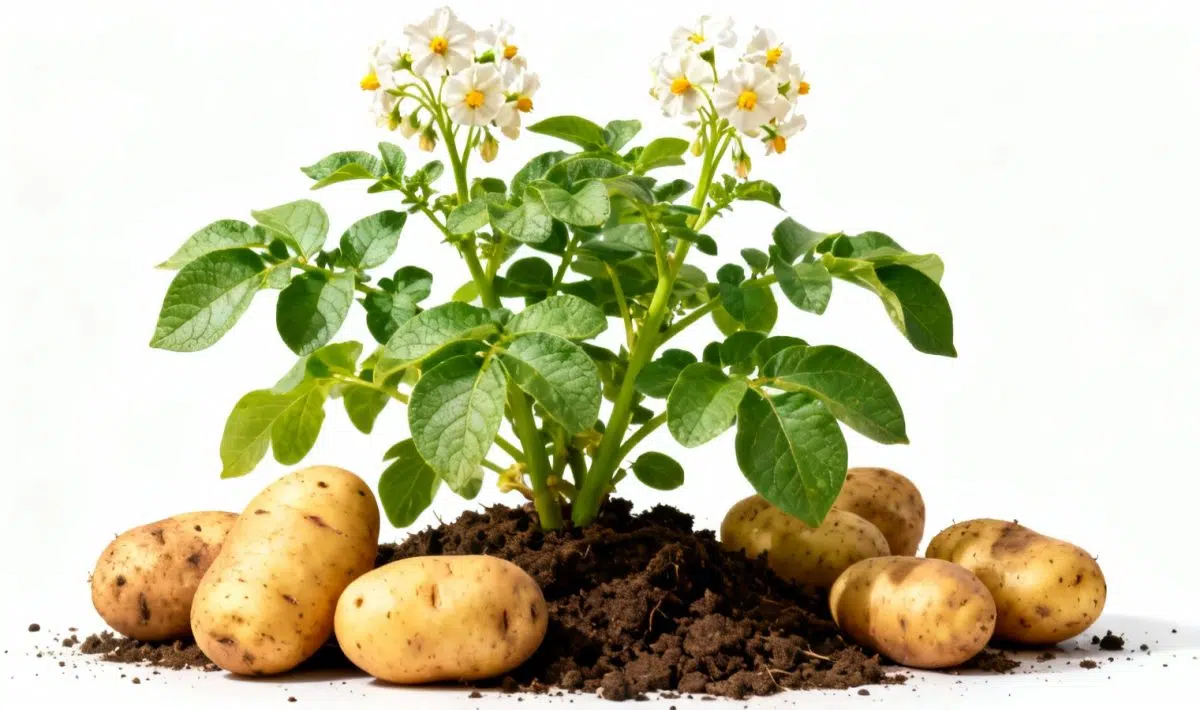
The potato (Solanum tuberosum) stands as one of humanity’s most important food crops, ranking fourth globally after corn, rice, and wheat. Originally from the Andes mountains, this remarkable tuber-producing plant has transformed global cuisine and agriculture over the past four centuries. Understanding proper potato care, characteristics, and cultivation techniques opens the door to successful homegrown harvests that can feed families throughout the year.
Origins and botanical characteristics of Solanum tuberosum
The potato belongs to the nightshade family (Solanaceae) and traces its ancestry to the high-altitude regions of South America. Spanish explorers introduced this versatile crop to Europe in the 16th century, though initial acceptance was slow. Today, over 100 countries cultivate potatoes, making them a truly global staple food.
Botanically speaking, potato plants are herbaceous perennials with distinctive morphological features. The plants typically reach heights of 30-80 cm, displaying angular stems with scattered fine hairs. Their compound leaves feature oval to lance-shaped leaflets that are roughly twice as long as they are wide. Underground, the magic happens as the plant develops those precious tubers we harvest and consume.
Modern potato varieties fall into two main groups: Andigenum (adapted to short days in mountainous regions) and Chilotanum (cultivated worldwide). Each variety offers unique characteristics in terms of size, color, texture, and culinary applications. From waxy new potatoes perfect for salads to floury varieties ideal for mashing, there’s a potato type for every kitchen need.
Essential growing conditions and soil requirements
Successful potato cultivation begins with understanding the plant’s environmental preferences. Potatoes thrive in well-draining, fertile soil with a pH between 5.5 and 7.5. The soil should be rich in organic matter and nutrients, particularly nitrogen, which supports healthy foliage development during the early growing stages.
Temperature plays a crucial role in potato development. These plants prefer cool growing conditions with daytime temperatures between 60-70°F (15-21°C). Hot weather can stress the plants and reduce tuber formation. In regions with intense summer heat, consider planting early varieties that mature before peak temperatures arrive.
Drainage cannot be overstated in importance. Waterlogged soil leads to rot and disease problems that can devastate entire crops. If your garden has heavy clay soil, consider creating raised beds or adding compost and sand to improve drainage. The investment in soil preparation pays dividends when harvest time arrives.
Choosing the right potato varieties
Selecting appropriate varieties for your climate and intended use makes all the difference in cultivation success. Early varieties like ‘Yukon Gold’ and ‘Red Norland’ mature in 70-80 days, making them perfect for shorter growing seasons. Mid-season varieties require 80-95 days, while late-season types need 95-110 days to reach full maturity.
For new gardeners, I recommend starting with certified seed potatoes from reputable suppliers rather than grocery store potatoes, which may carry diseases or growth inhibitors. Cut seed potatoes should have at least one eye per piece and be allowed to cure for 2-3 days before planting to prevent rot.
Planting techniques and spacing recommendations
Proper planting technique sets the foundation for healthy potato plants and abundant harvests. Plant seed potatoes when soil temperature reaches a consistent 45°F (7°C), typically 2-3 weeks before the last expected frost date in your area.
Dig trenches 4-6 inches deep and space seed potatoes 12-15 inches apart within rows. Maintain 2-3 feet between rows to allow adequate air circulation and room for hilling soil around the plants as they grow. This spacing prevents overcrowding while maximizing your growing area.
Cover the seed potatoes with 3-4 inches of soil initially, leaving the trench partially unfilled. As shoots emerge and grow, gradually fill in the trench and continue hilling soil around the stems. This technique encourages additional tuber development along the buried stem portions.
Watering and fertilization strategies
Consistent moisture throughout the growing season ensures steady tuber development and prevents common problems like hollow heart or cracking. Aim to provide 1-2 inches of water weekly through rainfall or irrigation, adjusting based on soil type and weather conditions.
Fertilization should begin at planting with a balanced fertilizer (10-10-10 or similar) worked into the soil. Side-dress plants with additional nitrogen when they reach 6-8 inches tall, but avoid over-fertilizing with nitrogen late in the season as this promotes foliage at the expense of tuber development.
Just as experienced gardeners understand that best practices for aloe vera care require attention to specific environmental needs, potato cultivation demands consistent attention to soil moisture and nutrient balance throughout the growing season.
Propagation methods and plant health
Most home gardeners propagate potatoes through tuber division, but understanding alternative methods can expand your growing options. True seed propagation is possible but rarely used due to genetic variability and longer growing times. Stem cuttings can also produce new plants, though this method requires more attention and care.
The traditional tuber propagation method remains the most reliable approach for home gardeners. Select healthy, disease-free tubers and cut them into pieces containing at least one eye. Allow cut surfaces to callus over for 24-48 hours before planting to reduce the risk of soil-borne infections.
Much like the timing strategies that gardening tips for July propagation emphasize for optimal plant establishment, potato propagation benefits from proper timing and environmental conditions that support rapid root and shoot development.
Common diseases and pest management
Potato plants face several common health challenges that can impact yield and quality. Late blight (Phytophthora infestans) remains one of the most serious fungal diseases, appearing as dark spots on leaves and stems during cool, wet weather. Early detection and removal of affected foliage helps prevent spread.
Colorado potato beetles pose the most significant pest threat in many regions. These yellow-and-black striped beetles and their orange larvae can quickly defoliate plants if left unchecked. Hand-picking remains effective for small gardens, while beneficial insects like ladybugs provide natural control.
Crop rotation proves essential for maintaining soil health and breaking disease cycles. Avoid planting potatoes in the same location for at least three years, and never follow them with other nightshade family crops like tomatoes or peppers.
Harvesting and storage considerations
Knowing when and how to harvest potatoes ensures maximum yield and storage life. New potatoes can be harvested 2-3 weeks after flowering begins, while mature tubers require waiting until the foliage dies back naturally. For storage varieties, allow tubers to remain in the ground an additional 2-3 weeks after foliage death.
Harvest on dry days when possible, and handle tubers gently to avoid bruising. Brush off excess soil but don’t wash potatoes intended for storage, as moisture promotes decay. Cure harvested potatoes in a dark, well-ventilated area at 60-65°F (15-18°C) for 7-10 days before moving them to long-term storage.
Proper storage conditions maintain potato quality for months. Store cured tubers in a cool (35-40°F), dark, humid environment with good air circulation. Basements, root cellars, or even refrigerator crisper drawers work well for smaller quantities.
Nutritional value and culinary applications
Beyond their ease of cultivation, potatoes offer impressive nutritional benefits that make them worthy additions to any garden. A medium potato provides significant amounts of vitamin C, potassium, vitamin B6, and dietary fiber while remaining relatively low in calories.
The versatility of potatoes in the kitchen matches their reliability in the garden. From simple boiled new potatoes with herbs to elaborate gratins and gnocchi, these tubers adapt to countless cooking methods and flavor combinations. Different varieties excel in specific applications – waxy types for salads and boiling, floury varieties for baking and mashing.
Interestingly, while potatoes provide substantial nutrition for humans, gardeners should note that other plants like those requiring nutritional benefits of hazel catkins demonstrate how different species offer unique nutritional profiles that can complement our understanding of plant-based nutrition.
Seasonal care and maintenance
Successful potato cultivation extends beyond initial planting to encompass ongoing care throughout the growing season. Regular weeding prevents competition for nutrients and water, while also reducing hiding places for pests. Mulching around plants helps retain soil moisture and suppress weeds naturally.
Hilling soil around potato plants serves multiple purposes beyond increasing tuber production. It prevents tubers from turning green due to light exposure and provides better drainage around the root zone. Plan to hill plants 2-3 times during the growing season as stems elongate.
As with other perennial garden plants that require specific seasonal attention, such as those needing care tips for clematis vitalba for optimal growth, potato plants benefit from consistent monitoring and maintenance throughout their growing cycle.
The journey from seed potato to harvest table spans several months, but the satisfaction of growing your own food makes every effort worthwhile. Whether you’re cultivating a few plants in containers or dedicating garden space to larger plantings, potatoes reward careful attention with abundant, nutritious harvests that can sustain households through winter months. With proper variety selection, soil preparation, and ongoing care, even novice gardeners can achieve impressive results with this fundamental food crop.

Allan is a lifelong gardening enthusiast who still gets excited when the first seedlings pop up in spring. With a deep love for nature and a hands-in-the-soil approach, he shares practical tips, plant discoveries, and clever tricks picked up over years of digging, planting, and observing. Whether you’re a new gardener or have a shed full of tools, Allan writes like a neighbor who’s always happy to swap cuttings and stories over the fence.
You can find more about Allan’s work on Malt or connect with him on LinkedIn.


