
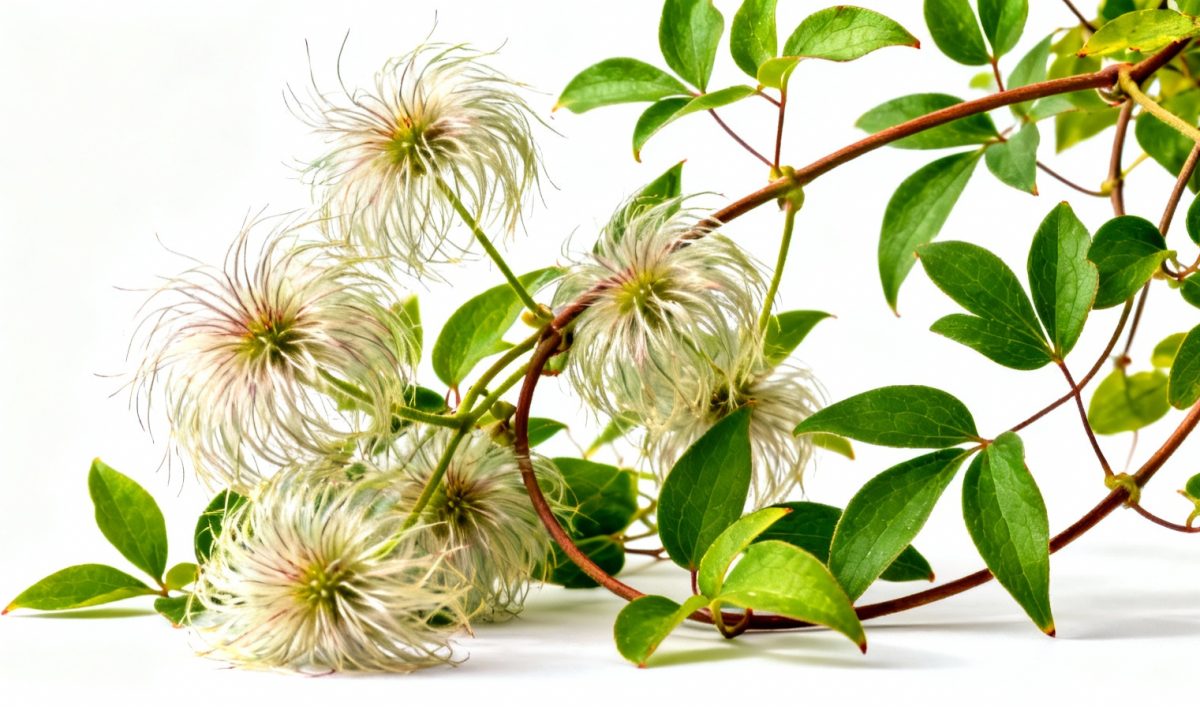
There’s something genuinely captivating about Clematis vitalba, commonly known as old man’s beard or traveller’s joy. This vigorous climbing plant with its distinctive feathery seed heads has been enchanting gardeners and wild plant enthusiasts across Europe for centuries. Whether you’re looking to add vertical interest to your garden or simply curious about this remarkable species, understanding its characteristics and care requirements opens up a world of horticultural possibilities.
The plant gets its charming common name from the silky, beard-like appearance of its fruiting heads that persist well into winter. Beyond its ornamental appeal, Clematis vitalba carries a rich ethnobotanical heritage, particularly within traditional European cultures where it has served various practical and ceremonial purposes throughout history.
Understanding Clematis vitalba characteristics
Old man’s beard belongs to the Ranunculaceae family and represents one of Europe’s most widespread native clematis species. The plant demonstrates remarkable adaptability, naturally occurring from the British Isles through continental Europe and extending into parts of North Africa. This extensive distribution speaks to its robust nature and ability to thrive in diverse environmental conditions.
The leaves of Clematis vitalba are particularly distinctive, featuring compound structures with three to five leaflets that create an elegant, lacy appearance. These deciduous leaves provide excellent photosynthetic capacity while maintaining the plant’s characteristic delicate aesthetic. The foliage transforms beautifully through the seasons, offering fresh green growth in spring and warm golden tones before dropping in autumn.
During summer months, the plant produces masses of small, creamy-white flowers that lack petals but compensate with abundant stamens that create a frothy, cloud-like effect. These flowers are not only visually appealing but also serve as important nectar sources for various insects, making the plant an excellent choice for wildlife-friendly gardens.
Essential care requirements for healthy growth
Successfully growing old man’s beard requires understanding its fundamental needs, which fortunately align well with many garden conditions. The plant demonstrates considerable flexibility regarding soil types, though it performs best in well-draining, humus-rich earth that retains some moisture without becoming waterlogged. Preparing your planting area with organic matter such as compost creates an ideal foundation for strong root development.
When it comes to watering, Clematis vitalba appreciates consistent moisture, particularly during its establishment period. However, the species shows remarkable drought tolerance once established, making it suitable for gardens where water conservation is important. During dry spells, deep weekly watering proves more beneficial than frequent shallow applications, encouraging deep root growth and overall plant resilience.
Light requirements for this clematis are refreshingly adaptable. While the plant thrives in full sun to partial shade, it particularly appreciates having its roots in cooler, shaded conditions while allowing its climbing stems to reach toward brighter areas. This makes it perfect for growing through shrubs or up structures where natural shade occurs at ground level.
Cultivation techniques and planting strategies
Timing plays a crucial role in successful Clematis vitalba establishment. The optimal planting window extends from early spring through early autumn, with spring planting allowing the fullest growing season for root development. When selecting your planting location, consider the plant’s vigorous nature and provide adequate support structures from the outset.
Soil preparation deserves particular attention, as proper foundation work pays dividends for years to come. Dig a generous planting hole, approximately twice the width of the root ball, and incorporate well-rotted organic matter. This not only improves drainage but also provides slow-release nutrients that support healthy growth. Just as gardening tips for July growth can enhance plant development during peak season, proper soil preparation sets the stage for long-term success.
Fertilization should be approached thoughtfully, with organic options proving most beneficial for long-term plant health. Apply well-rotted compost or aged manure around the base each spring, avoiding direct contact with stems to prevent potential rot issues. Supplemental feeding with balanced, slow-release fertilizer can boost growth during the active season, particularly for younger plants establishing themselves.
Propagation methods for expanding your collection
Old man’s beard offers several propagation opportunities for gardeners interested in expanding their plantings or sharing with others. Softwood cuttings taken in late spring or early summer provide one of the most reliable methods, particularly when treated with rooting hormone and maintained in consistently moist, warm conditions.
Seed propagation presents another viable option, though it requires patience as germination can be irregular and slow. Fresh seeds collected in autumn show better germination rates than stored seeds, and cold stratification treatment over winter significantly improves success rates. The resulting seedlings may show some variation from parent plants, adding an element of surprise to your garden expansion efforts.
Layering represents perhaps the most foolproof propagation method for home gardeners. Simply bend a flexible stem to ground level during the growing season, secure it with a wire pin, and cover the contact point with soil. Roots typically develop within one growing season, allowing separation and transplanting the following spring.
Maintenance and seasonal care
Pruning Clematis vitalba requires understanding its flowering habits and growth patterns. The plant blooms on current year’s growth, making late winter or early spring the ideal timing for major pruning work. Cut stems back to approximately 12 inches from ground level in February or March, just before new growth begins emerging.
This vigorous pruning approach might seem dramatic, but it prevents the plant from becoming an unmanageable tangle while promoting abundant flowering on fresh growth. Regular monitoring throughout the growing season allows for light pruning to direct growth or remove damaged sections as needed.
Winter preparation involves minimal effort, as old man’s beard demonstrates excellent cold hardiness throughout most temperate regions. However, young plants benefit from mulching around their base to prevent soil freezing and root damage during severe cold spells. The dried seed heads can remain for winter interest or be removed if preferred for tidiness.
Traditional uses and cultural significance
The ethnobotanical heritage of Clematis vitalba extends far beyond its ornamental value, with traditional European cultures utilizing various parts of the plant for practical and medicinal purposes. Historical records document its use in basket making, where flexible young stems provided material for small containers and decorative items.
Traditional herbalists valued certain parts of the plant, though modern gardeners should note that all parts of Clematis vitalba contain compounds that can cause skin irritation and should never be consumed. Much like how nutritional benefits of hazel catkins have been recognized in traditional foraging practices, old man’s beard held specific cultural significance in rural European communities.
In folklore, the plant’s dramatic seasonal transformation from delicate flowers to ghostly seed heads earned it associations with renewal and the cycle of seasons. These cultural connections add depth to its garden presence, connecting modern cultivation practices with centuries of human interaction with this remarkable species.
Companion planting and garden integration
Integrating old man’s beard into mixed plantings requires considering its vigorous growth habit and support requirements. The plant excels when grown through large shrubs or small trees that can accommodate its eventual size without being overwhelmed. Mature specimens can reach impressive heights, making them suitable for covering unsightly structures or creating dramatic vertical accents.
Companion plants should be chosen carefully, favoring robust species that won’t be smothered by the clematis’s enthusiastic growth. Sturdy roses, established fruit trees, or large architectural shrubs provide ideal growing partners. Understanding these relationships helps create balanced garden compositions where each plant contributes without competing destructively.
Ground-level companions can include shade-tolerant perennials that appreciate the root-cooling effect provided by the clematis canopy. Hostas, ferns, and spring bulbs create attractive understory plantings that complement rather than compete with the climbing display above. Similar to how exploring hazel catkin uses reveals multiple applications for a single plant, thoughtful companion selection maximizes garden space efficiency.
Problem solving and troubleshooting
While generally robust, Clematis vitalba can occasionally encounter specific challenges that require attention. Clematis wilt, a fungal condition affecting many clematis species, can cause sudden stem collapse during the growing season. Preventing this issue involves ensuring good air circulation around plants and avoiding overhead watering that keeps foliage unnecessarily wet.
Aphid infestations sometimes occur during soft new growth periods, typically manageable through natural predator encouragement or targeted treatments if populations become problematic. Regular garden inspection allows early detection and intervention before issues become serious.
Poor flowering often results from inadequate sunlight or inappropriate pruning timing rather than cultural problems. Ensuring adequate light exposure and following proper pruning schedules typically resolves flowering concerns within one growing season.
Understanding that culinary uses of hazel catkins require proper identification and preparation, successful clematis cultivation similarly depends on accurate plant identification and appropriate care techniques. This knowledge foundation enables gardeners to provide optimal growing conditions while avoiding common pitfalls that can limit plant performance and longevity.

Allan is a lifelong gardening enthusiast who still gets excited when the first seedlings pop up in spring. With a deep love for nature and a hands-in-the-soil approach, he shares practical tips, plant discoveries, and clever tricks picked up over years of digging, planting, and observing. Whether you’re a new gardener or have a shed full of tools, Allan writes like a neighbor who’s always happy to swap cuttings and stories over the fence.
You can find more about Allan’s work on Malt or connect with him on LinkedIn.


