
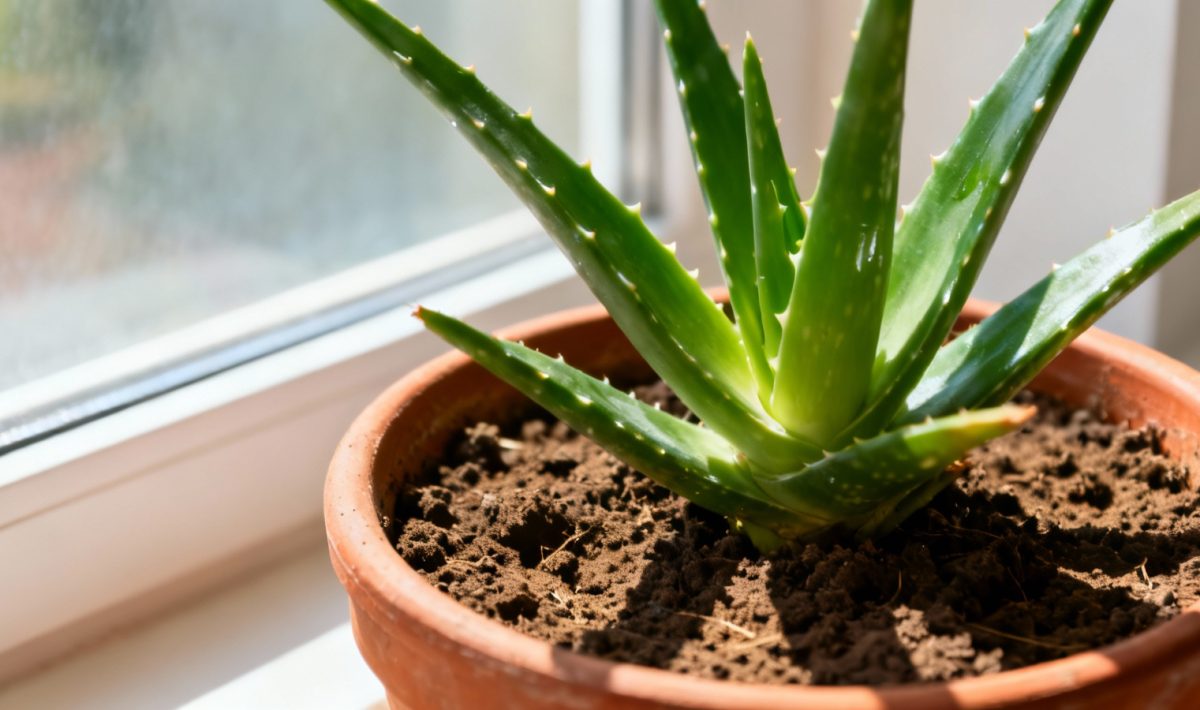
Aloe vera stands out as one of the most rewarding plants to grow at home. This remarkable succulent combines stunning visual appeal with incredible resilience, making it perfect for both beginners and experienced plant enthusiasts. Whether you’re drawn to its architectural beauty or its practical benefits, understanding proper aloe vera care will ensure your plant thrives for years to come.
Understanding your aloe vera plant
The aloe vera plant belongs to the succulent family, featuring thick, fleshy leaves that store water for survival in arid conditions. These distinctive leaves grow in a rosette pattern, typically reaching 30-50 cm in height when grown in pots. The plant’s natural habitat in dry, sunny regions gives us valuable clues about its care requirements.
What makes aloe particularly special is its ability to adapt to indoor environments while maintaining its natural characteristics. The thick, green leaves often develop beautiful reddish edges when exposed to bright light, and mature plants may surprise you with tall flower spikes featuring tubular orange or yellow blooms during the right conditions.
Creating the perfect growing environment
Light requirements for healthy growth
Proper lighting forms the foundation of successful aloe vera culture. These plants crave bright, indirect sunlight for most of the day. A south-facing window provides ideal conditions, though you’ll want to protect your plant from intense midday sun that might scorch the leaves.
Indoor aloe plants need at least 6-8 hours of bright light daily. If natural light is limited in your space, consider supplementing with grow lights positioned 12-18 inches above the plant. Signs of insufficient light include stretched, pale growth and leaves that lose their compact, upright appearance.
Temperature and humidity considerations
Aloe vera thrives in temperatures between 65-75°F (18-24°C), which makes it perfect for most home environments. These plants can tolerate slight temperature fluctuations, but avoid exposing them to drafts or sudden temperature changes. During winter months, keep your aloe away from heating vents and cold windows.
Unlike many houseplants, aloe prefers low humidity levels. The average home humidity of 30-50% suits these plants perfectly. Excessive humidity can lead to fungal problems and root rot, so ensure good air circulation around your plant.
Soil and container selection
The right soil mixture is crucial for healthy aloe vera plants. Standard potting soil retains too much moisture, which can quickly lead to root problems. Instead, create a well-draining mixture using one-third quality potting soil, one-third coarse sand, and one-third perlite or pumice.
Commercial cactus and succulent mixes work excellently as a base, though you might want to add extra drainage material. The soil should feel gritty and allow water to flow through quickly. Proper drainage prevents the waterlogged conditions that cause root rot, the most common killer of indoor aloe plants.
Choose a pot with drainage holes that’s slightly larger than your plant’s root system. Terra cotta pots work wonderfully because they’re porous and allow excess moisture to evaporate. The pot should be wide rather than deep, as aloe roots spread horizontally rather than growing deeply.
Mastering aloe vera watering
Proper arrosage technique separates successful aloe growers from those who struggle with their plants. The golden rule is to water thoroughly but infrequently. Allow the soil to dry completely between waterings, which typically means watering every 2-3 weeks during growing season.
When you do water, soak the soil until water runs from the drainage holes. This ensures the entire root system receives moisture. Empty the drainage tray after 30 minutes to prevent the pot from sitting in standing water. During winter months, reduce watering frequency as the plant’s growth slows and soil takes longer to dry.
Signs of overwatering include soft, mushy leaves, yellowing from the base upward, and a musty smell from the soil. Underwatered aloe plants develop wrinkled, thin leaves and may show brown tips. Learning to read these signals helps you adjust your watering schedule accordingly.
Propagation and expansion
One of the most exciting aspects of growing aloe vera is how easily these plants reproduce. Mature plants produce small offsets, called “pups,” around their base. These baby plants can be separated and grown into independent specimens, giving you new plants to enjoy or share with friends.
To propagate your aloe, carefully remove the entire plant from its pot during repotting time. Gently separate the pups that have developed their own root systems, using a clean, sharp knife if necessary. Allow any cut surfaces to dry for 24-48 hours before planting to prevent rot. For those interested in maximizing their propagation success, exploring tricks for explosive plant growth can provide additional techniques.
Plant each pup in its own well-draining pot using the same soil mixture as mature plants. Water sparingly until you see new growth, which indicates the roots have established successfully. Young aloe plants are more sensitive than adults, so provide bright but filtered light during their first few weeks.
Essential care and maintenance
Fertilizing your aloe vera
Aloe vera plants are remarkably low-maintenance when it comes to feeding. These plants evolved in nutrient-poor soils and don’t require frequent fertilization. During the growing season (spring and summer), a diluted, balanced liquid fertilizer applied once every 4-6 weeks provides adequate nutrition.
Use a fertilizer diluted to quarter strength to avoid burning the roots. Organic options like diluted compost tea work well, though they’re not essential for healthy growth. Skip fertilizing entirely during fall and winter when plant growth naturally slows.
Managing common problems
Prevention remains the best approach to keeping your aloe vera healthy. Most problems stem from overwatering or inadequate drainage, so maintaining proper watering practices eliminates many potential issues. Watch for common pests like scale insects or mealybugs, which appear as small, white, cotton-like masses on leaves.
If pests appear, isolate your plant immediately and treat with rubbing alcohol applied with a cotton swab. For severe infestations, insecticidal soap provides effective control. Brown or black spots on leaves often indicate fungal problems, usually caused by excessive moisture on the foliage.
While caring for your aloe vera, you might find yourself interested in other beneficial plants and their properties, such as the health benefits of hazel catkins or exploring nutritional properties of hazel catkins for a more diverse approach to natural wellness.
Seasonal care adjustments
Your aloe vera’s needs change throughout the year, and adjusting your care routine accordingly ensures optimal health. During spring and summer growing seasons, plants benefit from more frequent watering and occasional feeding. This is also the ideal time for repotting and propagation activities.
As temperatures cool in fall and winter, reduce watering frequency significantly. The plant enters a natural dormancy period where growth slows and water needs decrease. Many growers find they only need to water their aloe once every 4-6 weeks during winter months.
Consider the changing light conditions too. As days grow shorter in winter, you might need to move your plant to a brighter location or supplement with artificial lighting. The goal is maintaining consistent, bright light throughout the year.
Repotting and long-term care
Healthy aloe vera plants typically need repotting every 2-3 years, or when they become root-bound. Signs that repotting time has arrived include roots growing through drainage holes, water running straight through the pot without absorption, or the plant becoming top-heavy and unstable.
Choose a pot only slightly larger than the current one, as aloe plants prefer being somewhat root-bound. Spring is the ideal time for this task when the plant is entering its active growth phase. Use fresh, well-draining soil and handle the thick roots carefully to avoid damage.
For those looking to expand their plant knowledge beyond aloe care, exploring culinary uses of hazel catkins offers an interesting dive into the versatility of natural plant products and their various applications.
With proper understanding of these fundamental care principles, your aloe vera plant will reward you with years of low-maintenance beauty. The key lies in mimicking the plant’s natural environment through well-draining soil, appropriate lighting, and restrained watering practices. Remember that these resilient plants often thrive with a hands-off approach, making them perfect companions for busy lifestyles while adding natural elegance to any indoor space.

Allan is a lifelong gardening enthusiast who still gets excited when the first seedlings pop up in spring. With a deep love for nature and a hands-in-the-soil approach, he shares practical tips, plant discoveries, and clever tricks picked up over years of digging, planting, and observing. Whether you’re a new gardener or have a shed full of tools, Allan writes like a neighbor who’s always happy to swap cuttings and stories over the fence.
You can find more about Allan’s work on Malt or connect with him on LinkedIn.


