
Understanding Common Borage: A Versatile Garden Plant
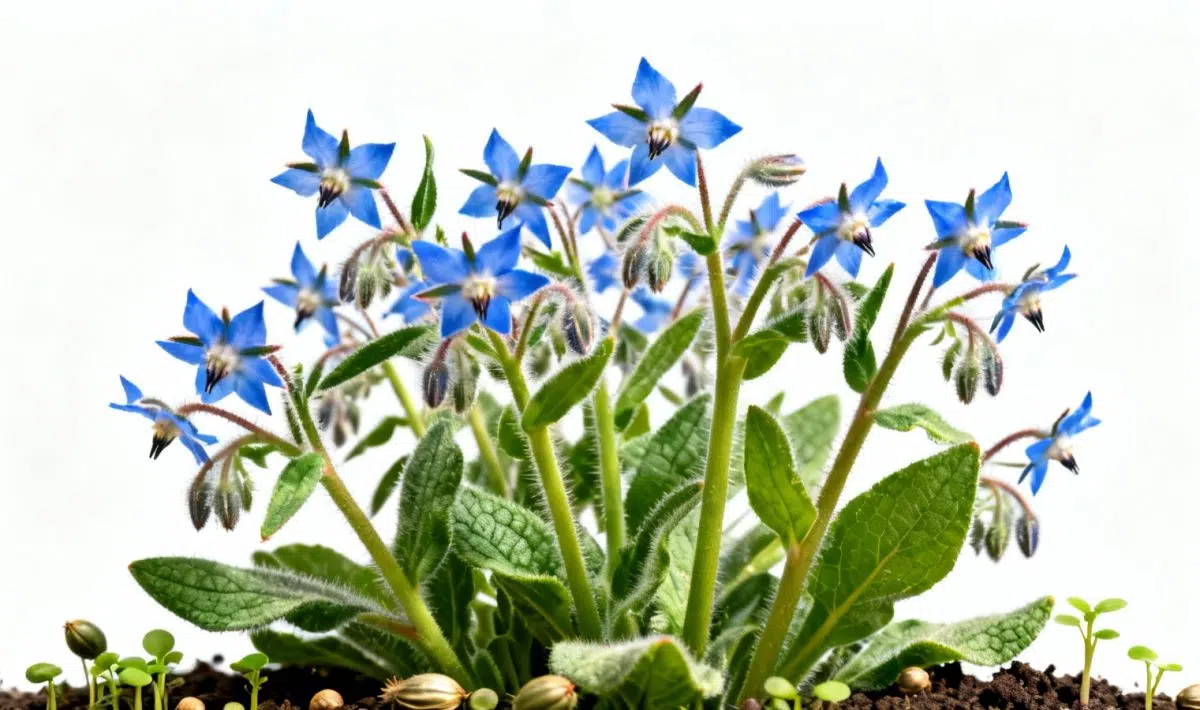
Common borage (Borago officinalis) stands out as one of nature’s most rewarding annual plants to grow in your garden. This Mediterranean native brings stunning blue flowers and remarkable versatility to any growing space. The plant typically reaches 20 to 60 cm in height, featuring thick, branched stems covered with distinctive bristly hairs that give it a unique texture.
What makes borage particularly fascinating is its incredible production of nectar-rich flowers that bloom continuously from late spring through early autumn. The brilliant blue, star-shaped flowers not only create visual appeal but also attract beneficial pollinators like bees and butterflies to your garden space.
Essential Characteristics of Borago officinalis Plants
The physical characteristics of borage plants make them easily recognizable in any garden setting. The leaves display an oval-elliptical shape with a distinctly rough, hairy surface that feels somewhat prickly to touch. Lower leaves attach to the plant with short stems, while upper leaves connect directly to the main stem without stalks.
The root system features a deep taproot that allows these plants to access water from lower soil layers, making them surprisingly drought-tolerant once established. This characteristic proves especially valuable during hot summer months when other garden plants might struggle with water stress.
Flower Types and Color Variations
While the classic blue flowers represent the most common type, borage occasionally produces pink or white flower variations. These flowers contain high levels of nectar, making them incredibly attractive to pollinators and beneficial insects. Each flower features five pointed petals arranged in a perfect star pattern, creating an almost magical appearance in garden beds.
Optimal Culture Conditions for Successful Growth
Creating the right growing environment ensures your borage plants thrive throughout their growing season. These plants prefer well-draining soil with a slightly alkaline to neutral pH, though they tolerate various soil types remarkably well. The key lies in avoiding waterlogged conditions that can lead to root problems.
Full sun exposure produces the best results, though borage tolerates partial shade in hotter climates. When planning your garden layout, remember that these plants self-seed readily, so position them where natural reproduction won’t interfere with other plantings. Unlike some herbs that struggle in direct sunlight, you might be surprised to learn that this common herb hates direct sun and requires different care approaches.
Soil Preparation and Requirements
Preparing the planting area involves loosening soil to approximately 30 cm depth to accommodate the taproot system. Adding organic matter improves soil structure, though borage grows successfully even in relatively poor soils. The plant’s ability to thrive in challenging conditions makes it an excellent choice for beginning gardeners or difficult growing areas.
Watering and Maintenance Needs
Young seedlings require consistent moisture during their first few weeks, but mature plants need minimal watering once established. Overwatering actually reduces flower production and can lead to weak, leggy growth. Check soil moisture by inserting your finger about 5 cm into the ground – water only when this layer feels completely dry.
Effective Propagation Techniques and Methods
Seed propagation represents the primary method for growing borage, as the plants don’t respond well to transplantation due to their taproot system. Start seeds directly in their permanent growing location for best results. The seeds remain viable for up to eight years when stored properly in cool, dry conditions.
Sowing seeds in early spring, after the last frost date in your region, provides optimal growing conditions. Plant seeds approximately 1 cm deep and space them 30-45 cm apart to allow for mature plant spread. Germination typically occurs within 7-14 days under favorable conditions.
Direct Seeding vs. Indoor Starting
While direct seeding works best, you can start seeds indoors 4-6 weeks before the last frost if you prefer earlier blooms. Use biodegradable pots to minimize root disturbance during transplantation. However, many experienced gardeners find that direct-seeded plants often outperform transplanted ones in terms of overall vigor and flower production.
For gardeners looking to maximize their propagation success, learning about propagation tips for explosive growth can significantly improve your results with various garden plants throughout the growing season.
Natural Self-Seeding Process
One of borage’s most valuable characteristics involves its natural self-seeding ability. Mature plants drop seeds that germinate the following spring, creating a continuous cycle of new plants. This process requires minimal gardener intervention, though you may want to thin overcrowded seedlings for optimal plant development.
Care and Maintenance Throughout the Growing Season
Regular deadheading encourages continued flower production, though leaving some flowers to set seed ensures future generations of plants. Remove spent blooms by pinching or cutting just above the next set of leaves. This practice redirects the plant’s energy into producing more flowers rather than seed formation.
Fertilization needs remain minimal for borage plants, as excessive nutrients can actually reduce flower production and create overly lush foliage. A light application of balanced fertilizer at planting time provides sufficient nutrition for the entire growing season.
When mulching around your borage plants during summer months, it’s important to avoid common mulching mistake in July that can harm plant health and reduce overall garden productivity.
Pest and Disease Management
Borage demonstrates remarkable resistance to most common garden pests and diseases. The plant’s hairy texture naturally deters many insects, while its robust constitution prevents most disease issues. Occasional aphid problems can be managed through natural predators or gentle water spraying.
Companion Planting Benefits
Growing borage alongside tomatoes, peppers, and other vegetables provides multiple benefits. The flowers attract pollinators that improve fruit set in nearby plants, while some gardeners believe borage enhances the flavor of neighboring tomatoes. For those interested in growing other challenging plants, learning to care for clematis vitalba effectively can expand your gardening skills with more complex species.
Harvesting and Using Your Borage Plants
Young borage leaves offer a cucumber-like flavor that enhances salads, soups, and beverages. Harvest leaves in the morning after dew has dried but before the heat of the day affects their texture. The flowers provide beautiful, edible decorations for salads, desserts, and cold drinks.
Seeds can be collected for future planting or culinary use once they turn brown and begin falling naturally from the plant. Store collected seeds in labeled envelopes in a cool, dry location until the next planting season.
Maximizing Success with Borage in Your Garden
Understanding the complete lifecycle of borage plants helps you make informed decisions about placement and care in your garden. These remarkable plants offer continuous blooms, attract beneficial insects, and provide edible leaves and flowers with minimal maintenance requirements.
Whether you’re growing borage for its ornamental value, pollinator benefits, or culinary uses, following proper planting and care techniques ensures a successful and rewarding gardening experience. The plant’s adaptability and self-sufficiency make it an ideal choice for both beginner and experienced gardeners seeking reliable, beautiful additions to their growing spaces.

Allan is a lifelong gardening enthusiast who still gets excited when the first seedlings pop up in spring. With a deep love for nature and a hands-in-the-soil approach, he shares practical tips, plant discoveries, and clever tricks picked up over years of digging, planting, and observing. Whether you’re a new gardener or have a shed full of tools, Allan writes like a neighbor who’s always happy to swap cuttings and stories over the fence.
You can find more about Allan’s work on Malt or connect with him on LinkedIn.


