
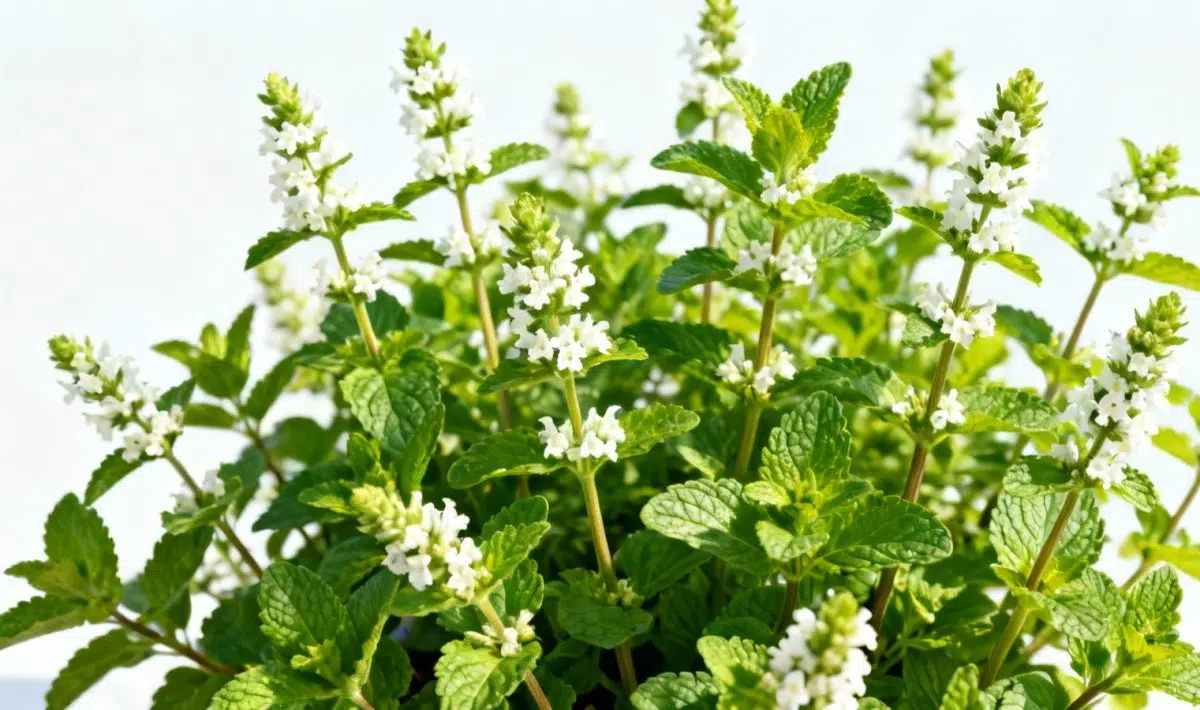
Lemon balm, scientifically known as Melissa officinalis, is truly one of the most rewarding herbs you can grow in your garden. This delightful perennial from the mint family brings together wonderful citrus fragrance, easy cultivation, and numerous beneficial properties. Whether you’re a seasoned gardener or just starting out, this aromatic herb will quickly become a favorite addition to your collection.
The plante has been cherished for centuries, originally native to the Mediterranean region but now thriving in gardens worldwide. Its distinctive lemony scent and attractive green feuilles make it both functional and ornamental. What makes this herb particularly appealing is its forgiving nature and ability to flourish with minimal attention once established.
Understanding lemon balm characteristics
Melissa officinalis presents a charming appearance with its serrated, heart-shaped feuilles that release an intense citrus fragrance when touched. The plante typically reaches heights of 2 to 3 feet, creating a bushy, spreading habit that works beautifully as groundcover or in herb gardens. During summer months, small white or pale pink flowers appear in clusters, attracting beneficial pollinators to your garden space.
The herb belongs to the Lamiaceae family, sharing characteristics with other aromatic plants like mint and basil. Its hardy nature allows it to withstand various weather conditions, making it suitable for different climate zones. The feuilles maintain their vibrant green color throughout the growing season, providing consistent visual appeal alongside their practical uses.
Several variétés of Melissa officinalis exist, each offering unique traits. ‘Citronella’ produces particularly fragrant feuilles, while ‘Aurea’ features golden-yellow foliage that brightens shaded areas. Just as you might learn about rutabaga cultivation techniques for vegetable gardening, understanding these different variétés helps you choose the perfect type for your specific growing conditions.
Optimal growing conditions for melissa officinalis
Creating the right environment is essential for healthy growth. The plante thrives in well-draining sol with a pH between 6.5 and 7.0, preferring fertile ground enriched with organic matter. While it tolerates various sol types, avoid areas that stay consistently wet, as this can lead to root problems and reduced plant vigor.
Regarding light requirements, lemon balm shows remarkable adaptability. It performs excellently in full sun locations, receiving 6-8 hours of direct sunlight daily, but also tolerates partial shade conditions. Interestingly, plants grown in shadier spots often develop larger, more succulent feuilles, though they may have slightly less intense fragrance.
Proper spacing becomes crucial when planning your herb garden. Allow 18 to 24 inches between individual plants to ensure adequate air circulation and room for natural spreading. This spacing prevents overcrowding while allowing each plante to develop its full potential. Regular eau applications during dry spells help establish strong root systems, though mature plants show impressive drought tolerance.
Seasonal care requirements
Printemps marks the beginning of active growth, making it the ideal time for major maintenance tasks. Cut back any winter-damaged stems and apply a balanced, organic fertilizer to encourage vigorous new growth. As temperatures warm, increase eau frequency gradually, ensuring the sol remains consistently moist but never waterlogged.
Summer care focuses on regular harvesting and deadheading to maintain plant health. Remove flower spikes before they fully develop to keep energy directed toward leaf production. This practice also prevents unwanted self-seeding, which can quickly turn your herb patch into an overcrowded mess. During particularly hot periods, provide some afternoon shade to prevent stress.
Effective propagation methods
Growing from graines offers an economical way to start multiple plants. Sow graines directly in the jardin during late printemps, or start them indoors 6-8 weeks before the last frost date. The tiny graines need light to germinate, so barely cover them with fine potting mix and keep the growing medium consistently moist until sprouting occurs.
Division provides the quickest method for expanding your collection. In early printemps or fall, carefully dig up established plants and separate them into smaller sections, ensuring each division has healthy roots and several growing points. This technique works particularly well for refreshing older plantings that may have become woody or less productive.
Cuttings represent another reliable propagation approach. Take 4-6 inch stem cuttings from healthy plants during active growing periods, removing lower feuilles and placing them in water or moist potting mix. Much like how you might discover painted-leaf begonia care tips for indoor propagation, maintaining consistent moisture and warmth encourages rapid root development.
Transplanting and establishment
Young plants benefit from gradual acclimatization to outdoor conditions. Begin hardening off seedlings or rooted cuttings by placing them outside for increasingly longer periods over a week. This process prevents transplant shock and helps them adapt to temperature fluctuations and direct sunlight exposure.
When transplanting, prepare planting holes twice the width of the root ball and just as deep. Backfill with amended sol, water thoroughly, and apply a light mulch layer to conserve moisture. Space plants according to their mature size expectations, remembering that melissa officinalis tends to spread naturally through underground runners.
Managing pests and diseases
Fortunately, this resilient herb encounters relatively few serious pest problems. Aphids occasionally appear on tender new growth, but regular monitoring and early intervention prevent major infestations. A strong spray of eau often dislodges these soft-bodied insects, while beneficial predators like ladybugs provide natural control.
Root rot represents the most common disease issue, typically resulting from poor drainage or overwatering. Symptoms include yellowing feuilles, stunted growth, and eventual plant collapse. Prevention through proper site selection and appropriate watering practices proves far more effective than attempting treatment after problems develop.
Powdery mildew may affect plants grown in humid conditions with poor air circulation. Increase spacing between plants, avoid overhead watering, and remove affected foliage promptly. Similar to how you might explore pontic rhododendron growing advice for managing fungal issues, proper cultural practices prevent most disease problems.
Organic management strategies
Companion planting enhances natural pest deterrence while creating attractive combinations. Plant lemon balm near tomatoes, peppers, or brassicas to help repel harmful insects. The herb’s strong fragrance confuses many pests, providing protection for neighboring crops without chemical interventions.
Regular harvesting keeps plants healthy and productive while removing potential pest breeding sites. Cut stems back by one-third every few weeks during peak growing season, focusing on areas showing any signs of stress or damage. This practice encourages bushy growth and maintains overall plant vigor.
Harvesting and utilization
Peak harvesting occurs just before flowering when essential oil concentrations reach their highest levels. Cut stems in early morning after dew has dried but before intense heat develops. This timing ensures maximum flavor and aromatic compounds while preventing wilting during processing.
Fresh feuilles work wonderfully in teas, culinary applications, and aromatherapy preparations. For drying, tie small bundles and hang them in a well-ventilated, dark location until crispy. Store dried herbs in airtight containers away from light and heat to preserve potency. Much like how you might find sweet cherry propagation methods for fruit preservation, proper handling maintains quality.
The bienfaits of melissa officinalis extend beyond simple flavoring. Traditional uses include calming teas for relaxation, topical applications for skin soothing, and natural insect repellent properties. Modern research continues exploring these traditional applications, validating many historical uses through scientific study.
Container growing success
Pot culture suits this herb perfectly, especially for gardeners with limited space or those wanting portable aromatic plants. Choose containers at least 12 inches wide and deep, ensuring adequate drainage holes prevent waterlogging. Quality potting mix amended with compost provides the nutritious growing medium needed for healthy development.
Container plants require more frequent watering than ground-planted specimens but offer greater control over growing conditions. Place pots where they receive morning sun and afternoon protection during hot weather. Regular feeding with diluted liquid fertilizer supports continuous growth and leaf production throughout the season.
Just as you might understand brazilian jasmine plant care for container gardening, melissa officinalis adapts well to pot culture with proper attention. Winter protection may involve moving containers to protected locations in colder climates, ensuring continued enjoyment year after year.
Long-term garden integration
Establishing permanent patches requires thoughtful planning, as this herb spreads readily through underground runners. Install physical barriers or choose contained areas where natural expansion won’t create problems. Regular division every 3-4 years maintains plant health while providing opportunities for garden expansion or sharing with fellow gardeners.
The versatile nature of melissa officinalis makes it suitable for various garden styles, from formal herb gardens to naturalistic plantings. Its ability to thrive in different light conditions allows creative placement throughout your landscape. Similar to how you might view oxeye daisy culture and care for perennial borders, this herb contributes both beauty and functionality to garden designs.
Whether you’re seeking aromatic additions to your cooking, natural wellness support, or simply enjoying fragrant foliage in your outdoor space, lemon balm delivers consistent satisfaction. Its forgiving nature, combined with multiple propagation options and diverse uses, makes it an invaluable addition to any garden. Start with a single plante and watch as it becomes an indispensable part of your gardening journey.

Allan is a lifelong gardening enthusiast who still gets excited when the first seedlings pop up in spring. With a deep love for nature and a hands-in-the-soil approach, he shares practical tips, plant discoveries, and clever tricks picked up over years of digging, planting, and observing. Whether you’re a new gardener or have a shed full of tools, Allan writes like a neighbor who’s always happy to swap cuttings and stories over the fence.
You can find more about Allan’s work on Malt or connect with him on LinkedIn.


