
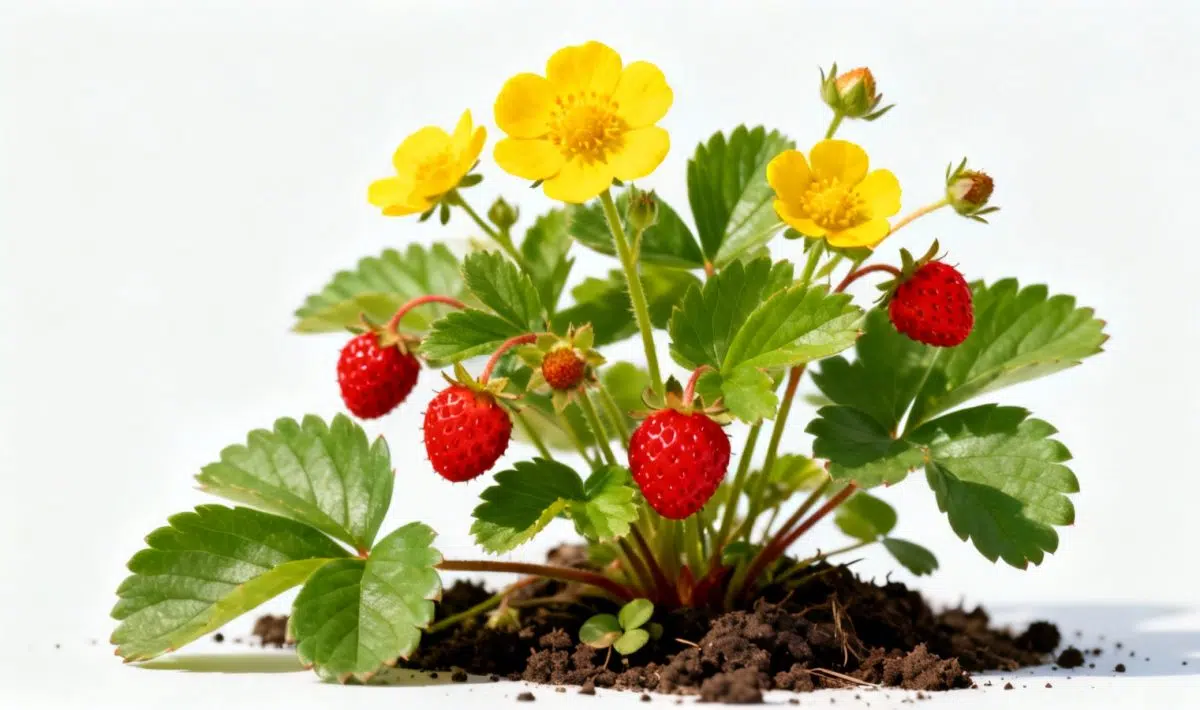
The mock strawberry, scientifically known as Potentilla indica, is a fascinating ground cover plant that often surprises gardeners with its strawberry-like appearance. Originally from East Asia, this hardy perennial has naturalized across many temperate regions worldwide, creating beautiful carpets of green foliage dotted with bright yellow flowers and red fruits.
Understanding the mock strawberry’s unique characteristics
This charming plant belongs to the Rosaceae family and displays several distinctive features that set it apart from true strawberries. The mock strawberry forms low-growing colonies that rarely exceed 30 cm in height, spreading through long, thin runners called stolons that root at nodes to create new plants.
The trifoliate leaves showcase serrated edges and maintain a medium to dark green color throughout the growing season. However, the most striking feature remains the bright yellow flowers with five petals that bloom from late spring through mid-summer, typically lasting about one month. These flowers eventually develop into spherical red fruits measuring approximately 1.3 cm in diameter, complete with visible red seeds on the surface.
Unlike true strawberries, these fruits taste rather bland and lack the sweet flavor we associate with garden strawberries. While not toxic, they’re generally considered inedible in large quantities, though they do contain modest amounts of vitamin C and other nutrients.
Optimal growing conditions for Potentilla indica
Creating the right environment for your mock strawberry plants ensures vigorous growth and attractive coverage. These adaptable plants thrive in various soil types but prefer well-draining, moderately fertile ground with a slightly acidic to neutral pH.
Regarding light requirements, mock strawberries demonstrate remarkable flexibility. They flourish in partial shade to full sun conditions, though they often perform best with morning sun and afternoon shade in particularly hot climates. This adaptability makes them excellent choices for areas where other ground covers struggle.
The plants show impressive cold tolerance, surviving in zones 4-9, which makes them suitable for most temperate gardens. During establishment, maintain consistent moisture levels, but once established, they tolerate brief drought periods remarkably well.
Essential care and maintenance practices
Caring for mock strawberry plants involves straightforward maintenance that even beginning gardeners can master. Water regularly during the first growing season to establish strong root systems, then reduce frequency as the plants mature and spread naturally.
Fertilization requirements remain minimal for these hardy plants. A light application of balanced fertilizer in early spring provides sufficient nutrition for the entire growing season. Avoid over-fertilizing, which can promote excessive foliage growth at the expense of flower and fruit production.
Regular monitoring helps identify potential issues early. While generally disease-resistant, mock strawberries can occasionally suffer from fungal problems in overly wet conditions. Ensure good air circulation and avoid overhead watering to prevent moisture-related diseases.
Just as with other resilient plants like those covered in growing rutabagas successfully in your garden, proper spacing and attention to growing conditions makes all the difference in plant health.
Effective propagation methods
Mock strawberries offer multiple propagation options, making them easy to multiply for expanded ground coverage. The most reliable method involves division of established clumps during early spring or fall, when plants are dormant or just beginning active growth.
To divide plants, carefully dig up sections that include both roots and shoots, then replant immediately in prepared soil. Water thoroughly after transplanting and maintain consistent moisture until new growth appears, typically within 2-3 weeks.
Seed propagation presents another viable option, though it requires more patience. Collect ripe fruits in late summer or early fall, remove the seeds, and either sow immediately or store in refrigerated conditions over winter. Seeds benefit from a cold stratification period of 30-60 days before sowing in spring.
Similar techniques work well for various ornamental plants, including methods described in caring for painted-leaf begonias at home, where patience during establishment pays off with beautiful results.
Landscape uses and companion planting
Mock strawberries excel as decorative ground covers in numerous landscape applications. Their spreading habit makes them perfect for filling spaces between stepping stones, covering slopes to prevent erosion, or creating living mulch beneath taller shrubs and trees.
These versatile plants work wonderfully in woodland gardens, where their tolerance for shade allows them to thrive under canopy trees. They also perform well in rock gardens, where their low profile and spreading nature help soften hard edges and fill crevices.
When selecting companion plants, consider species that appreciate similar growing conditions. Spring-flowering bulbs emerge beautifully through mock strawberry carpets, while shade-tolerant perennials like hostas and ferns create attractive textural contrasts.
For woodland settings, pairing them with other naturalized plants such as cultivating pontic rhododendron in your landscape creates a cohesive, naturalistic appearance.
Seasonal care and management
Understanding seasonal needs helps maintain healthy mock strawberry populations year-round. Spring marks the beginning of active growth, making it the ideal time for fertilizing, dividing, and establishing new plantings.
Summer care focuses on maintaining adequate moisture during hot, dry periods, though established plants typically require minimal intervention. Remove any dead or damaged foliage to maintain appearance and prevent pest harboring.
Fall provides another excellent opportunity for division and transplanting. The cooler temperatures and increased rainfall create favorable conditions for root establishment before winter dormancy.
Winter preparation involves minimal work in most climates. In zones 4-5, applying a light mulch layer helps protect crowns from extreme temperature fluctuations, though this hardy plant typically survives without protection.
Common challenges and solutions
While generally trouble-free, mock strawberries can face several challenges that gardeners should recognize. Overly aggressive spreading sometimes becomes problematic in small gardens, requiring periodic thinning to maintain desired boundaries.
In very wet conditions, fungal issues may develop, appearing as leaf spots or crown rot. Improving drainage and reducing overhead watering typically resolves these problems quickly.
Some gardeners find the rapid spread concerning, especially when plants escape designated areas. Regular monitoring and removal of unwanted runners helps maintain control while preserving the decorative benefits.
Understanding plant behavior helps with management, just as learning about growing sweet cherry trees effectively requires knowledge of fruiting habits and growth patterns.
Ecological benefits and wildlife value
Beyond ornamental value, mock strawberries provide several ecological benefits that support local wildlife populations. The flowers attract various pollinators, including small bees, butterflies, and beneficial insects that contribute to garden health.
Birds occasionally consume the fruits, though they’re not a preferred food source. The dense foliage provides shelter for small beneficial insects and helps suppress weed growth naturally.
The extensive root system helps stabilize soil and reduce erosion, particularly valuable on slopes or in areas prone to runoff. This environmental benefit makes them excellent choices for sustainable landscaping projects.
Creating wildlife-friendly gardens often involves combining plants that support different species throughout the seasons, similar to approaches used with tips for thriving Brazilian jasmine plants and other pollinator-friendly species.
Maximizing success with mock strawberries
Achieving the best results with Potentilla indica requires attention to a few key factors that influence long-term success. Site selection plays a crucial role, with locations offering morning sun and afternoon shade typically producing the most vigorous growth and attractive appearance.
Soil preparation before planting sets the foundation for healthy development. Incorporate organic matter to improve drainage and fertility, ensuring plants have the resources needed for robust establishment.
Regular observation allows early detection of any issues and timely intervention. Watch for signs of stress, unusual growth patterns, or pest problems that might require attention.
Finally, understanding that mock strawberries can complement other ground covers creates opportunities for diverse, interesting plantings. Mixing them with species like caring for oxeye daisies in your yard creates dynamic seasonal displays with varied textures and bloom times.
With proper care and understanding, mock strawberries reward gardeners with reliable, attractive ground coverage that requires minimal maintenance while providing year-round interest. Their adaptability and hardiness make them valuable additions to diverse landscape situations, from formal gardens to naturalized woodland settings.

Allan is a lifelong gardening enthusiast who still gets excited when the first seedlings pop up in spring. With a deep love for nature and a hands-in-the-soil approach, he shares practical tips, plant discoveries, and clever tricks picked up over years of digging, planting, and observing. Whether you’re a new gardener or have a shed full of tools, Allan writes like a neighbor who’s always happy to swap cuttings and stories over the fence.
You can find more about Allan’s work on Malt or connect with him on LinkedIn.


