
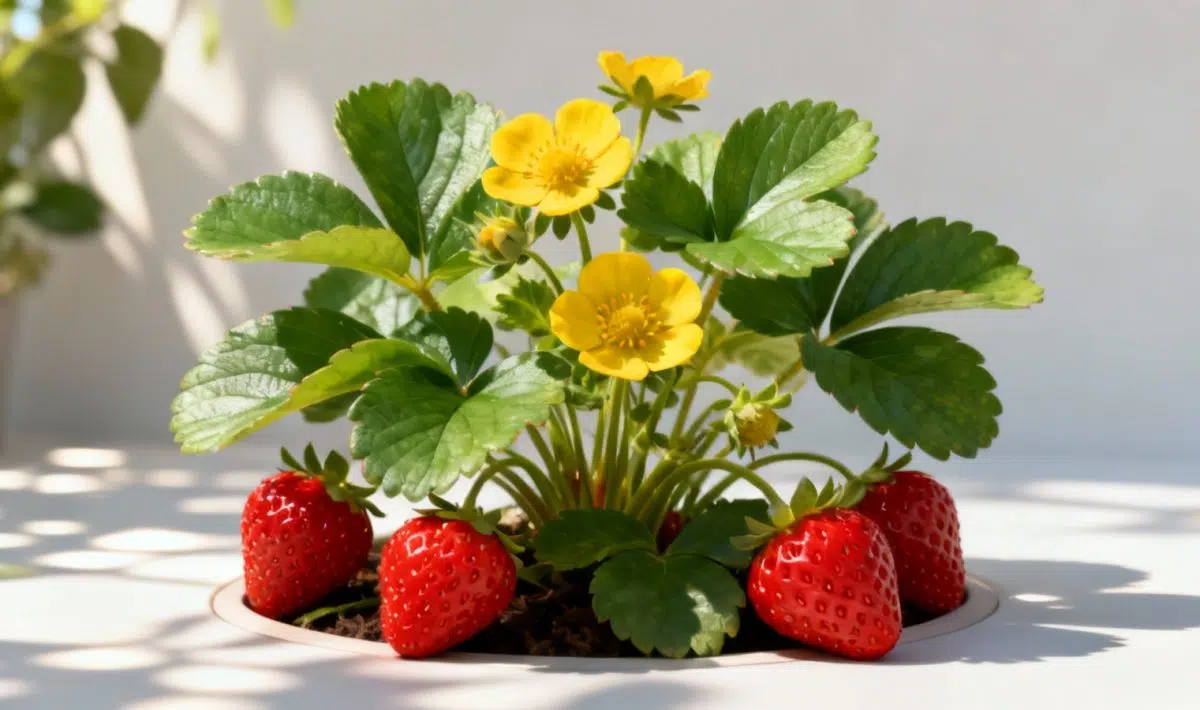
Growing mock strawberry (Duchesnea indica) successfully starts with understanding exactly how much sunlight does mock strawberry need for thriving plants. This charming ground cover produces small red berries and yellow flowers, making it a delightful addition to any garden when given proper light conditions.
Understanding mock strawberry sunlight requirements
Mock strawberry thrives best with partial sun exposure, requiring approximately 2 to 6 hours of direct sunlight daily. Unlike some fruits that demand full sun, this resilient plant actually prefers morning sunlight followed by afternoon shade. The key is finding that sweet spot between too much and too little light for optimal fruit production.
In cooler climates, your mock strawberry can tolerate more direct sunlight without stress. However, in hot southern regions, excessive sun exposure can scorch the delicate leaves and reduce berry quality. The plant naturally adapts well to varying light conditions, which makes it perfect for gardeners dealing with changing shade patterns throughout the day.
When planning your garden layout, consider that mock strawberry performs similarly to other herbs in terms of light needs. For instance, just as we need to understand sunlight requirements for oregano plants, providing the right balance ensures healthy growth and abundant harvests.
Optimal growing conditions for Duchesnea indica
Beyond sunlight, mock strawberry seeds require well-draining soil with good organic content. Plant your seeds in early spring when soil temperatures reach around 60°F. Space them about 12 inches apart to allow for the plant’s natural spreading habit through runners, similar to traditional strawberry plants.
The type of soil greatly influences how well your mock strawberry handles different light conditions. Rich, loamy soil helps the plant maintain moisture during sunny periods while preventing waterlogged roots in shadier spots. Adding compost improves both drainage and nutrient availability, supporting robust growth regardless of light variations.
Interestingly, mock strawberry shares some growing characteristics with tropical fruits, though it’s much more adaptable. While researching optimal conditions, you might find parallels with growing pineapples in sunlight, though mock strawberry requires far less intense light exposure.
Maximizing fruit production with proper light management
The best fruit production occurs when mock strawberry receives morning sunlight for photosynthesis, followed by protection from harsh afternoon rays. This schedule allows the plant to produce energy efficiently while preventing stress that could reduce berry formation. Monitor your plants closely during their first season to assess how they respond to your garden’s specific light patterns.
During peak summer months, providing some afternoon shade becomes crucial for maintaining healthy plants. You can achieve this through strategic placement near taller plants or using shade cloth during the hottest part of the day. The goal is maintaining consistent moisture and preventing leaf burn while still providing adequate light for growth.
For gardeners growing other sun-loving crops, understanding comparative light needs helps with garden planning. For example, while optimal sunlight for watermelon growth requires full sun exposure, mock strawberry’s more moderate needs make it perfect for partially shaded garden areas.
Seasonal care and light adaptation
Throughout the growing season, mock strawberry’s light needs remain fairly consistent, though you may notice increased vigor during cooler months when partial sun becomes more beneficial. Spring establishment benefits from gentle morning light, while summer growth maintains best with some midday protection in hot climates.
Fall brings natural light reduction as days shorten, which actually suits mock strawberry well as it prepares for winter dormancy. The plant’s adaptability to changing light conditions makes it an excellent choice for areas where tree canopy creates seasonal shade variations throughout the year.
Many gardeners appreciate that mock strawberry shares growing characteristics with other adaptable plants. Similar to how spearmint’s sunlight needs for growth allow for flexible placement, mock strawberry works well in various garden locations with different light exposures.
If your mock strawberry plants show signs of stress, light conditions often provide the first clue. Pale, elongated growth typically indicates insufficient light, while brown, crispy leaf edges suggest too much direct sun exposure. Adjusting shade or relocating plants can quickly resolve these issues.
Poor fruit production sometimes results from inadequate morning sunlight rather than too much afternoon shade. The plant needs that early energy boost from morning rays to fuel flower and fruit development. Consider trimming nearby shrubs or relocating plants to capture more morning light while maintaining afternoon protection.
Understanding how different plants respond to light variations helps create better garden designs. Just as sunlight conditions for Japanese maples require careful consideration, mock strawberry placement benefits from thoughtful planning regarding daily sun patterns.
Companion planting and garden design
Mock strawberry works excellently as ground cover beneath taller plants that provide natural shade filtering. Consider pairing it with small trees, large perennials, or shrubs that create dappled sunlight conditions. This natural partnership mimics the plant’s preferred woodland edge habitat.
When designing mixed plantings, group mock strawberry with other partial-shade lovers for cohesive garden areas. Plants like ferns, hostas, and woodland wildflowers create beautiful combinations while sharing similar light preferences. This approach simplifies garden management while creating visually appealing plant communities.
For flower garden integration, consider how mock strawberry complements other partial-sun plants. Much like purple coneflower sunlight preferences guide companion choices, understanding mock strawberry’s moderate light needs helps create successful plant partnerships.
Harvesting and enjoying your mock strawberry crop
With proper sunlight management, mock strawberry produces small red fruits throughout the growing season. While less flavorful than traditional strawberries, these edible berries offer mild sweetness and interesting texture. Harvest them when fully red but still firm for best quality and longest storage life.
The continuous production of berries makes mock strawberry valuable for gardeners wanting extended harvest periods. Regular picking encourages more fruit formation, especially when plants receive their preferred partial sun conditions. Use fresh berries in salads, as garnishes, or preserve them for winter use.
Beyond fruit production, mock strawberry’s attractive foliage and yellow flowers provide ornamental value throughout the season. The plant’s ability to thrive in partial shade makes it perfect for areas where other fruiting plants might struggle, offering both beauty and harvest from challenging garden spots.

Allan is a lifelong gardening enthusiast who still gets excited when the first seedlings pop up in spring. With a deep love for nature and a hands-in-the-soil approach, he shares practical tips, plant discoveries, and clever tricks picked up over years of digging, planting, and observing. Whether you’re a new gardener or have a shed full of tools, Allan writes like a neighbor who’s always happy to swap cuttings and stories over the fence.
You can find more about Allan’s work on Malt or connect with him on LinkedIn.


