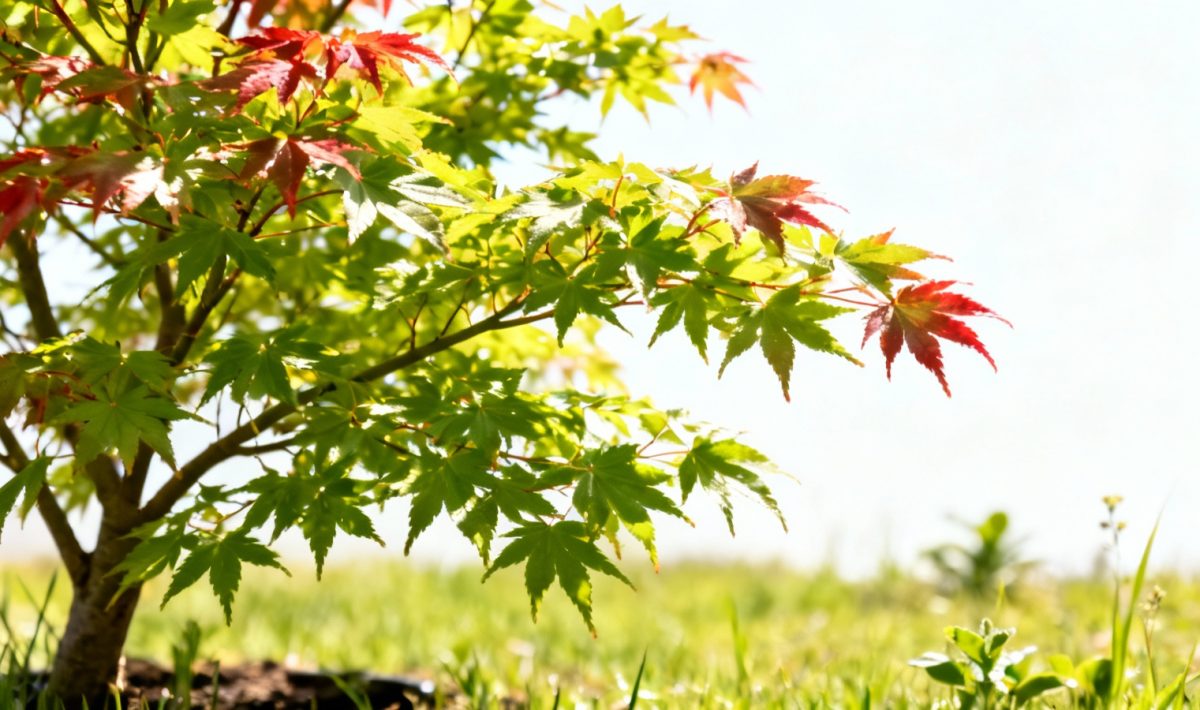
How much sunlight does Japanese maple need: essential growing tips
Japanese maples are absolutely stunning trees that can transform any garden into a peaceful retreat. However, understanding how much sunlight does Japanese maple need is crucial for their success. These elegant trees have specific light requirements that differ from many other garden plants, and getting it right will determine whether your maple thrives or struggles.
Most Japanese maple varieties prefer moderate light conditions rather than blazing full sun. They naturally evolved as understory trees in Japanese forests, which means they’re perfectly adapted to dappled sunlight and partial shade conditions.
Understanding Japanese maple sunlight requirements
The key to successful Japanese maple cultivation lies in providing the right balance of light and shade throughout the day. These trees typically need about 3 to 6 hours of direct sunlight, but the timing matters just as much as the duration.
Morning sun paired with afternoon shade creates the ideal environment for most Japanese maple varieties. This combination allows the tree to photosynthesize effectively during the cooler morning hours while protecting it from the intense heat and UV radiation that peaks in the afternoon. When considering plant care, understanding these light patterns becomes essential for long-term success.
Why morning sun works best
Morning sunlight is gentler and less intense than afternoon rays. Your Japanese maple tree can absorb this energy efficiently without experiencing heat stress. During summer months, this becomes particularly important as afternoon temperatures can damage delicate foliage.
The soil around your Japanese maple also benefits from this light pattern. Morning sun helps warm the root zone gradually, while afternoon shade prevents excessive moisture loss and keeps the roots comfortable.
Different varieties and their specific light needs
Not all Japanese maple varieties have identical sunlight requirements. Red Japanese maples, for example, often need slightly more light to maintain their vibrant coloration, while green varieties can tolerate more shade.
Red Japanese maple varieties
Red Japanese maples like ‘Bloodgood’ and ‘Emperor I’ require adequate light to develop and maintain their stunning red foliage. With insufficient sunlight, these trees may produce more green leaves, losing their characteristic color that makes them so desirable.
However, too much direct sun can scorch the delicate red leaves, especially during hot summer periods. The ideal setup provides 4 to 6 hours of morning sun with protection during the hottest part of the day. This balance ensures vibrant red coloration without leaf damage.
Green Japanese maple varieties
Green varieties such as ‘Viridis’ and standard Acer palmatum are generally more tolerant of shade conditions. These trees can thrive with as little as 3 hours of direct sunlight per day, making them excellent choices for partially shaded gardens.
Green maples also tend to be more forgiving if you can’t provide perfect light conditions. They adapt well to varying light levels throughout the year, though they still prefer the morning sun and afternoon shade combination for optimal growth.
Seasonal considerations for Japanese maple care
Understanding how sunlight needs change throughout the year helps you provide better care for your Japanese maple tree. Spring and fall typically require different management approaches than the intense summer months.
During spring, your maple can handle more direct sunlight as temperatures remain moderate. This is also when new growth emerges, and adequate light supports healthy leaf development. For those interested in growing from graines, spring provides ideal germination conditions with its balanced light and temperature combination.
Summer protection strategies
Summer presents the biggest challenge for Japanese maple care. Even trees that normally enjoy morning sun may need additional protection during heat waves. Consider providing temporary shade cloth during extremely hot periods, especially for younger trees that haven’t established deep root systems yet.
Regular watering becomes crucial during summer, particularly for trees receiving more than 4 hours of direct sunlight. The soil should remain consistently moist but never waterlogged. Much like sunlight requirements for Japanese camellia, Japanese maples need careful moisture management alongside proper light exposure.
Choosing the perfect location in your garden
Site selection makes all the difference when growing Japanese maples successfully. Walk around your garden at different times of day to observe light patterns before choosing where to plant your tree.
Look for spots that receive gentle morning sunlight but are shaded by buildings, fences, or larger trees during the afternoon hours. East-facing locations often provide this ideal combination naturally. Avoid areas that receive intense afternoon sun from the west, as this can stress your Japanese maple significantly.
Container growing considerations
If you’re growing Japanese maples in containers, you have more flexibility with positioning. You can move potted trees to optimize their light exposure throughout the day or across seasons. This adaptability makes container growing an excellent option for beginners who want to experiment with different locations.
Container-grown maples may need slightly more protection from intense sun since their roots can’t escape heat as easily as ground-planted trees. During summer, moving containers to receive only morning sun can prevent stress and maintain healthy growth.
Signs your Japanese maple isn’t getting proper sunlight
Learning to read your tree’s signals helps you adjust care practices before serious problems develop. Japanese maples communicate their needs through their foliage and growth patterns.
Insufficient light typically causes weak, spindly growth with pale or undersized leaves. Red varieties may lose their color intensity and appear more green than expected. Conversely, too much sun creates scorched leaf edges, wilting during hot days, and overall stressed appearance.
Adjusting care based on your tree’s response
If you notice signs of too much sun exposure, consider installing shade cloth or relocating container plants. For trees showing signs of insufficient light, gentle pruning of overhead branches or relocating the plant to a brighter spot can help.
Remember that young trees are more sensitive to light extremes than established specimens. It’s worth providing extra protection during their first few years while they develop stronger root systems. Similar to optimal sunlight for Japanese meadowsweet, Japanese maples benefit from gradually increasing sun exposure as they mature.
Practical tips for optimal Japanese maple care
Beyond light requirements, several factors work together to create ideal growing conditions for Japanese maples. Proper soil preparation, watering schedules, and seasonal maintenance all contribute to tree health and longevity.
Well-draining soil that retains some moisture works best for these trees. Heavy clay soils can be improved with organic matter, while sandy soils benefit from compost additions. The goal is creating a growing medium that supports healthy root development while preventing waterlogged conditions.
Watering and fertilization practices
Japanese maples prefer consistent moisture levels rather than cycles of drought and flooding. Deep, infrequent watering encourages strong root development and helps trees withstand periods of stress. During hot weather, check soil moisture regularly and water when the top inch feels dry.
Fertilization should be gentle and focused on organic amendments. Over-fertilizing can cause excessive soft growth that’s more susceptible to sun damage and winter injury. A balanced, slow-release fertilizer applied in early spring usually provides adequate nutrition for the entire year.
Frequently asked questions about Japanese maple sunlight
Can Japanese maples grow in full shade? While Japanese maples can survive in deep shade, they won’t thrive or reach their full potential. Aim for at least 3 hours of direct sunlight for healthy growth and good coloration.
Do dwarf Japanese maples need less sunlight? Dwarf varieties have similar light requirements to full-sized trees, but their compact size makes them easier to protect from excessive sun. They’re excellent for small gardens where light control is more manageable.
When is the best time to plant Japanese maples? Early spring or fall provides ideal planting conditions. These seasons offer moderate temperatures and adequate rainfall, helping trees establish before facing summer heat or winter cold.
How do I know if my maple is getting too much sun? Look for leaf scorch (brown, crispy edges), wilting during the day despite adequate moisture, and overall stressed appearance. These signs indicate your tree needs more shade protection.
Understanding how much sunlight does Japanese maple need sets the foundation for successful cultivation of these remarkable trees. With proper light management, your Japanese maple can provide decades of beauty and seasonal interest in your garden. Whether you’re working with red varieties that demand specific light conditions or more adaptable green types, remember that the key lies in providing morning sun with afternoon protection. Just as gardeners learn about sunlight needs for cultivating oregano or growing pineapple and its sunlight needs, understanding your Japanese maple’s requirements will reward you with healthy, vibrant trees that enhance your outdoor space year after year.
Allan is a lifelong gardening enthusiast who still gets excited when the first seedlings pop up in spring. With a deep love for nature and a hands-in-the-soil approach, he shares practical tips, plant discoveries, and clever tricks picked up over years of digging, planting, and observing. Whether you’re a new gardener or have a shed full of tools, Allan writes like a neighbor who’s always happy to swap cuttings and stories over the fence.
You can find more about Allan’s work on Malt or connect with him on LinkedIn.