
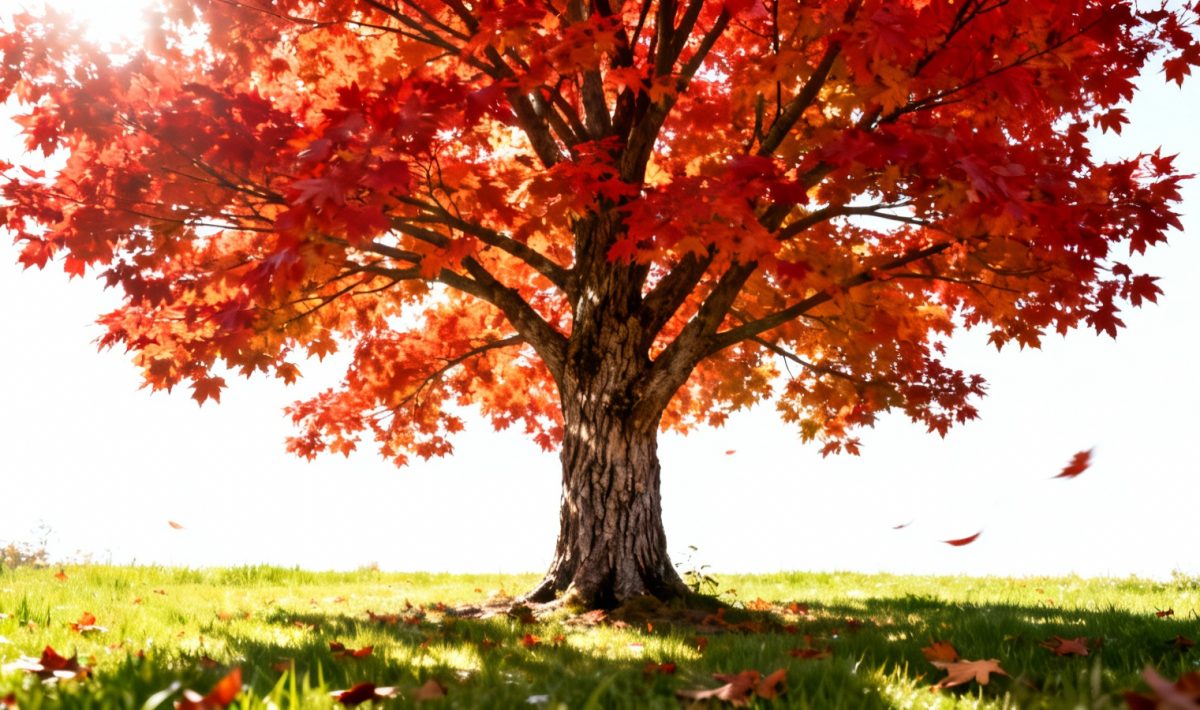
Red maple trees are among the most adaptable and beloved trees in North American landscapes. When it comes to how much sunlight does red maple need, understanding their light requirements is crucial for successful cultivation. These magnificent trees showcase brilliant fall colors and demonstrate remarkable resilience across various growing conditions.
Understanding red maple characteristics
The red maple (Acer rubrum) stands out as one of nature’s most versatile tree species. This deciduous tree can reach impressive heights of 40-60 feet when mature, with a spread of 35-45 feet, making it an excellent choice for both residential and commercial landscapes. Its adaptability extends beyond size, as red maples thrive in diverse soil types and moisture conditions.
What makes red maple particularly special is its stunning seasonal display. The tree produces delicate red flowers in early spring, followed by vibrant green foliage during summer months. Come autumn, the leaves transform into spectacular shades of red, orange, and yellow, creating a breathtaking natural spectacle that draws gardeners and nature enthusiasts alike.
Optimal sunlight requirements for red maple growth
Red maples perform best in full sun conditions, requiring approximately 6 hours of direct sunlight daily for optimal growth. This full sun exposure promotes dense canopy development, robust trunk formation, and the most vibrant fall color display. However, these adaptable trees can also tolerate partial shade conditions with 4-6 hours of daily sunlight.
Much like other flowering plants such as those requiring specific light conditions, understanding proper exposure helps ensure healthy development. In partial shade environments, red maples may grow more slowly and develop a slightly more open canopy structure. The key is providing consistent light rather than sporadic exposure throughout the day.
Young red maple trees demonstrate moderate shade tolerance, particularly during their first few years of growth. Seeds can germinate and survive under forest canopies, though they respond dramatically when openings in the tree cover allow increased light penetration. This natural adaptation makes them excellent for woodland restoration projects and naturalized gardens.
Planting and cultivation techniques
Selecting the right location is fundamental to red maple success. Choose a site that receives morning sun with some afternoon protection in extremely hot climates. The ideal spot offers well-drained soil with consistent moisture availability, though red maples can adapt to both wet and dry conditions once established.
Spring and fall represent the best times for planting red maple trees. During these seasons, cooler temperatures and increased rainfall help young plants establish strong root systems before facing summer heat or winter cold. Plant your red maple at the same depth it grew in the nursery, ensuring the root flare remains visible at soil level.
For gardeners interested in growing from seeds, red maple germination requires specific conditions. Fresh seeds collected in late spring or early summer show the highest viability rates. Plant them immediately in well-drained soil with consistent moisture, as they lose viability quickly when dried. Just as sunlight needs of red frangipani require careful attention to light exposure, red maple seeds need proper light and moisture balance for successful germination.
Seasonal light considerations
Red maple light requirements vary throughout the growing season, much like sunlight requirements for strawberries change with plant development. During spring, newly emerging leaves benefit from gentle morning sunlight as they develop their full photosynthetic capacity. This gradual exposure helps prevent leaf scorch while promoting healthy growth.
Summer brings the most intense light conditions, when mature red maples fully utilize their sun exposure for maximum growth and energy storage. The tree’s broad canopy provides excellent shade for understory plants while the upper leaves capture abundant sunlight. Adequate summer light exposure is crucial for developing the carbohydrate reserves needed for spectacular fall color.
Fall light conditions influence the intensity and duration of autumn color display. Trees receiving full sun typically produce the most vibrant reds and oranges, while those in partial shade may show more yellow tones. Winter sunlight, though less intense, helps prevent bark splitting and supports overall tree health during dormancy.
Companion planting and garden integration
Red maples work beautifully in mixed plantings with other sun-loving species. Their moderate growth rate and adaptable nature make them excellent centerpiece trees for garden design. Consider pairing them with flowering perennials that complement their seasonal changes and light requirements.
The dappled shade beneath mature red maples creates perfect conditions for shade-tolerant groundcovers and woodland wildflowers. This natural layering mimics forest ecosystems while providing year-round garden interest. Understanding light patterns under your red maple helps in selecting appropriate companion plants for different seasons.
When planning garden layouts, consider how red maple’s seasonal changes affect surrounding plants. Similar to how optimal sunlight for common zinnia influences garden design choices, red maple’s light requirements and shade patterns should guide companion plant selection for a harmonious landscape.
Care and maintenance for optimal growth
Proper watering supports red maple health while maximizing their use of available sunlight. Deep, infrequent watering encourages strong root development and drought tolerance. During establishment, maintain consistent soil moisture without waterlogging, as red maples appreciate good drainage despite their moisture tolerance.
Mulching around red maples provides multiple benefits including moisture retention, temperature moderation, and weed suppression. Apply a 2-3 inch layer of organic mulch, keeping it several inches away from the trunk to prevent pest and disease issues. This practice helps maintain optimal growing conditions regardless of sun exposure levels.
Pruning should focus on maintaining good structure and air circulation through the canopy. Remove dead, damaged, or crossing branches during late winter while the tree remains dormant. Proper pruning allows sunlight to penetrate the canopy effectively, promoting healthy growth and reducing disease pressure.
Common challenges and solutions
Red maples occasionally face challenges related to improper light exposure or environmental stress. In extremely sunny, hot locations, young trees may experience leaf scorch until they develop adequate canopy cover. Temporary shade during establishment can prevent this issue while maintaining healthy growth.
Insufficient light can lead to weak, spindly growth and poor fall color development. If your red maple shows these symptoms, consider removing competing vegetation or selectively pruning nearby trees to increase light penetration. The adaptable nature of red maples often allows them to respond positively to improved growing conditions.
Like many garden plants including those with specific requirements such as ideal sunlight for cornflower growth, red maples benefit from regular monitoring and adjustment of growing conditions to ensure continued health and vigor.
Long-term benefits and sustainability
Red maples provide numerous environmental benefits when grown in appropriate light conditions. Their extensive root systems help prevent soil erosion while their broad canopies provide cooling shade and wildlife habitat. Mature trees can live for several decades, making them excellent long-term investments in landscape beauty and environmental health.
The sustainable nature of red maple cultivation makes them ideal choices for environmentally conscious gardeners. Once established, these trees require minimal inputs while providing maximum benefits including carbon sequestration, air purification, and stormwater management. Their ability to thrive in various light conditions adds to their sustainability credentials.
Understanding and providing appropriate sunlight conditions ensures your red maple will flourish for years to come. With proper care and attention to their light requirements, these magnificent trees will reward you with stunning seasonal displays, valuable shade, and lasting natural beauty that enhances any landscape design.

Allan is a lifelong gardening enthusiast who still gets excited when the first seedlings pop up in spring. With a deep love for nature and a hands-in-the-soil approach, he shares practical tips, plant discoveries, and clever tricks picked up over years of digging, planting, and observing. Whether you’re a new gardener or have a shed full of tools, Allan writes like a neighbor who’s always happy to swap cuttings and stories over the fence.
You can find more about Allan’s work on Malt or connect with him on LinkedIn.


