
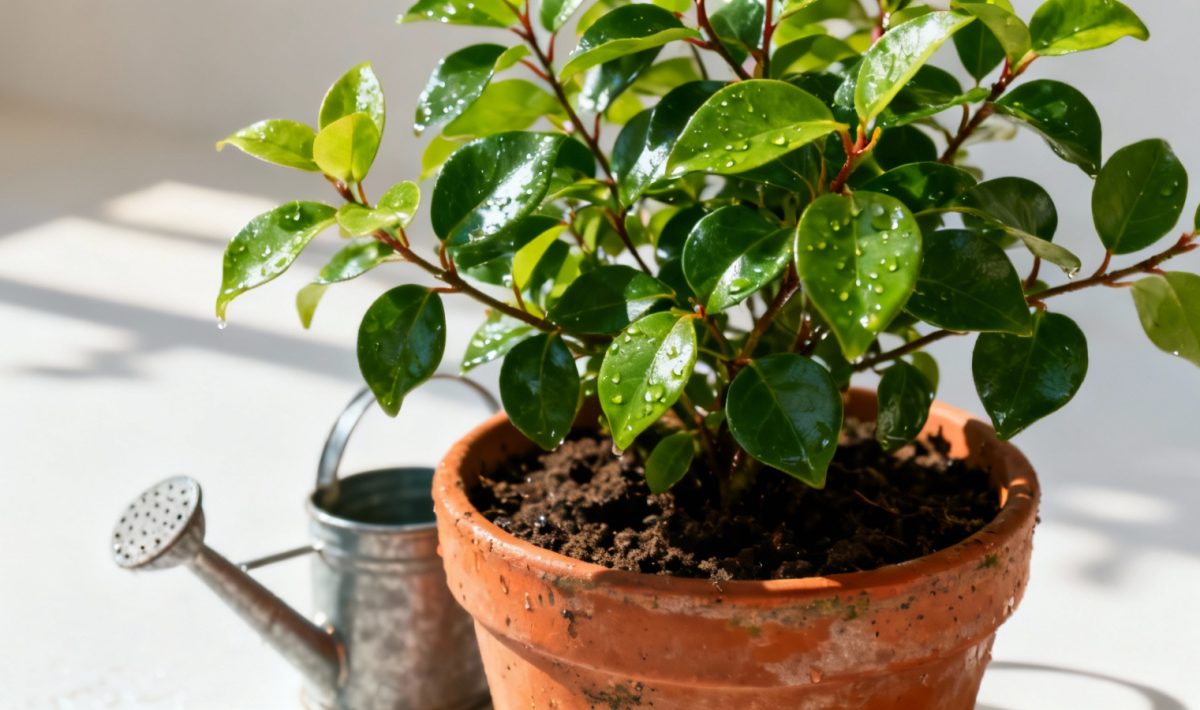
Wintercreeper, known scientifically as Euonymus fortunei, stands out as one of the most versatile evergreen groundcovers you can grow. This hardy plant provides excellent coverage while requiring minimal maintenance, but understanding its watering needs is crucial for optimal growth. Your wintercreeper’s success largely depends on getting the moisture balance just right throughout the seasons.
Understanding your wintercreeper’s water requirements
Euonymus radicans and other wintercreeper species are remarkably drought-tolerant once established, but they still need consistent moisture during their first growing season. These evergreen plants have developed efficient root systems that can tap into deeper soil layers for water. The key is providing enough moisture to keep the plant healthy without creating waterlogged conditions that can harm the roots.
Most wintercreeper varieties prefer well-draining soil that retains some moisture but never becomes soggy. The plant’s native habitat gives us clues about its preferences – it thrives in areas with moderate rainfall and good drainage. This makes wintercreeper an excellent choice for slopes, rock gardens, and areas where other plants might struggle with inconsistent water availability.
Seasonal watering patterns for optimal growth
Spring brings active growth for your wintercreeper, making this the time when consistent watering becomes most important. During this season, provide deep watering once or twice weekly, depending on rainfall and soil conditions. The goal is to encourage strong root development that will support the plant through the rest of the year.
Summer watering requires more attention, especially during hot, dry periods. While established wintercreeper can tolerate some drought stress, prolonged dry spells may cause leaf drop or stunted growth. Water deeply when the top inch of soil feels dry, typically every 5-7 days during peak summer heat. Just as you might follow specific schedules for watering your pomegranate effectively, wintercreeper benefits from regular monitoring and adjustment based on weather conditions.
Fall watering prepares your plants for winter dormancy. Gradually reduce watering frequency as temperatures cool and growth slows. However, don’t stop watering entirely – evergreen plants lose moisture through their leaves even in winter, so they need occasional deep watering until the ground freezes.
Factors that influence watering frequency
Soil type plays a major role in determining how often you should water your wintercreeper. Sandy soils drain quickly and may require more frequent watering, while clay soils hold moisture longer but can become waterlogged. The ideal soil provides good drainage while retaining enough moisture for steady growth.
Weather conditions significantly impact your watering schedule. Hot, windy days increase water loss, while cool, humid conditions reduce the need for supplemental irrigation. Keep track of rainfall amounts and adjust your watering accordingly. Plants growing in full sun typically need more water than those in partial shade.
Plant age affects water requirements dramatically. Newly planted wintercreeper needs more frequent watering to establish strong root systems, while mature plants can survive longer periods between waterings. Young plants may need water every 2-3 days during hot weather, while established specimens might go a week or more.
Practical watering techniques for success
Deep, infrequent watering proves more beneficial than frequent shallow watering for wintercreeper. This approach encourages roots to grow deeper, creating more drought-resistant plants. Apply water slowly at the base of the plant, allowing it to soak into the soil rather than running off the surface.
Mulching around your wintercreeper helps maintain consistent soil moisture while reducing the frequency of watering needed. A 2-3 inch layer of organic mulch conserves moisture, suppresses weeds, and gradually improves soil structure as it decomposes. This practice is particularly valuable during hot summer months when water stress can damage plants.
Consider using drip irrigation or soaker hoses for efficient water delivery. These methods provide slow, steady moisture that penetrates deep into the soil without wasting water through evaporation. Similar to the careful attention required for optimal watering for scarlet-star plants, wintercreeper responds well to consistent, measured moisture delivery.
Signs of proper vs. improper watering
Healthy wintercreeper displays vibrant green foliage with new growth appearing regularly during the growing season. The leaves should feel firm and show good color, whether green or variegated depending on your variety. Proper watering supports steady growth and helps the plant maintain its attractive appearance throughout the year.
Overwatering symptoms include yellowing leaves, soft or mushy stems, and fungal problems. Poor drainage combined with excessive watering creates conditions that favor root rot and other moisture-related diseases. If you notice these signs, reduce watering frequency and improve soil drainage around the plant.
Underwatering stress appears as wilted or curled leaves, brown leaf edges, and slowed growth. Severely stressed plants may drop leaves or show dieback in branch tips. While wintercreeper tolerates some drought, prolonged water stress compromises the plant’s health and appearance. Just as you would monitor water needs for other groundcovers, learning from best practices for watering creeping thistles can inform your approach to wintercreeper care.
Special considerations for container-grown wintercreeper
Potted wintercreeper requires more frequent watering than ground-planted specimens. Container soil dries out faster due to exposure on all sides, and the limited root space means plants can’t access moisture from surrounding soil. Check containers daily during hot weather and water when the top inch of soil feels dry.
Choose containers with adequate drainage holes to prevent water accumulation. Use a well-draining potting mix designed for outdoor containers rather than garden soil, which can become compacted in pots. Consider using water-retaining crystals mixed into the potting medium to help maintain consistent moisture levels.
Winter care for container wintercreeper involves protecting both roots and foliage from harsh conditions. Move pots to sheltered locations during extreme weather, and continue providing occasional water when temperatures allow. Container plants face greater risk of root damage from freezing than ground-planted specimens.
Creating an effective watering schedule
Develop a flexible watering routine that adapts to seasonal changes and weather conditions. Start by checking soil moisture levels regularly until you understand your specific site conditions. Most gardeners find that established wintercreeper needs water every 7-10 days during the growing season, with adjustments for rainfall and temperature.
Keep records of when you water and any observations about plant response. This information helps you refine your approach and identify patterns that work best for your specific conditions. Weather apps and rain gauges provide valuable data for making informed watering decisions.
Consider the broader landscape when planning your watering schedule. Grouping plants with similar water needs, like wintercreeper with other drought-tolerant evergreens, creates more efficient irrigation zones. The principles that apply to healthy growth of silver birch trees regarding deep, infrequent watering also benefit wintercreeper and other landscape plants.
Remember that successful wintercreeper care involves more than just watering frequency. Proper planting location, soil preparation, and ongoing maintenance all contribute to plant health. With the right watering approach, your wintercreeper will provide years of reliable groundcover that enhances your landscape’s beauty and function.

Allan is a lifelong gardening enthusiast who still gets excited when the first seedlings pop up in spring. With a deep love for nature and a hands-in-the-soil approach, he shares practical tips, plant discoveries, and clever tricks picked up over years of digging, planting, and observing. Whether you’re a new gardener or have a shed full of tools, Allan writes like a neighbor who’s always happy to swap cuttings and stories over the fence.
You can find more about Allan’s work on Malt or connect with him on LinkedIn.


