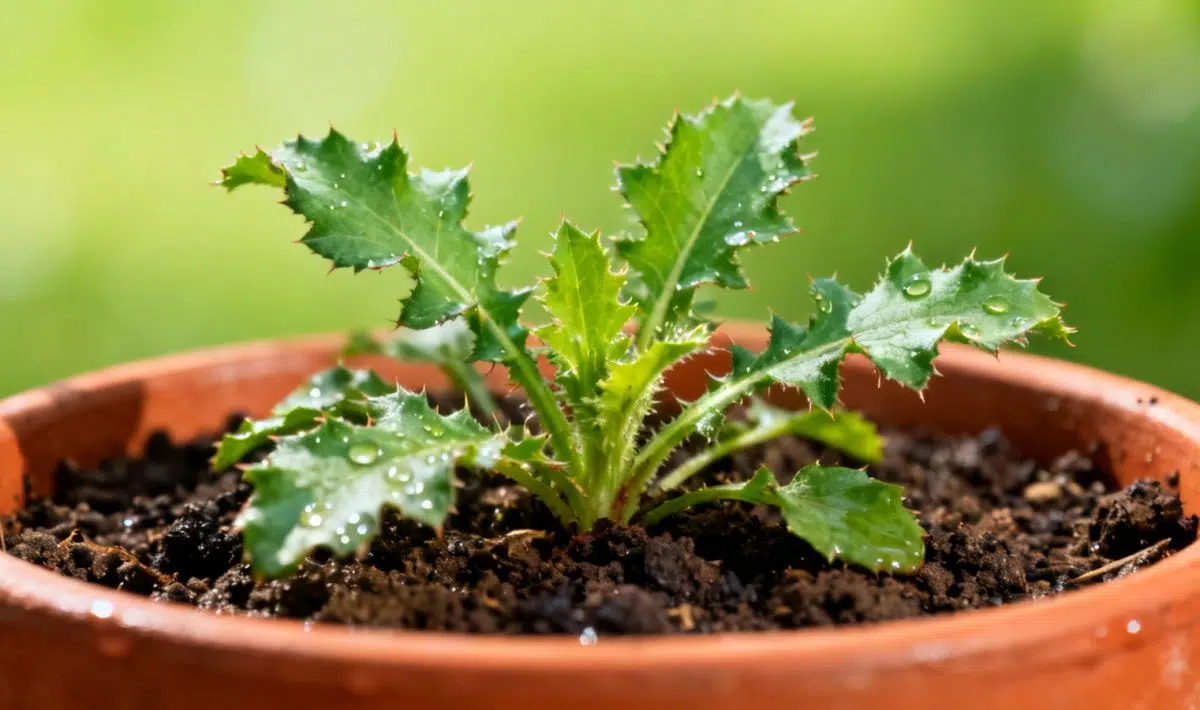
Understanding your creeping thistle’s water requirements
When it comes to creeping thistle care, water plays a crucial role in maintaining healthy plants throughout the growing season. This hardy perennial weed has adapted to thrive in various conditions, but understanding its specific watering needs will help you achieve optimal results. Most gardeners wonder about the right frequency, and the answer depends on several factors including soil type, season, and plant maturity.
Creeping thistle typically requires deep, infrequent watering rather than frequent light applications. The plant develops extensive root systems that can access water from deeper soil layers, making it quite drought-tolerant once established. However, during active growth periods, providing adequate moisture becomes essential for vigorous development.
Signs your creeping thistle needs water
Recognizing when your plants require watering prevents both drought stress and overwatering issues. Look for these common indicators:
Soil feels dry when you insert your finger 2-3 inches deep
Leaves appear slightly wilted during the hottest part of the day
Growth rate noticeably slows during active growing periods
Soil surface shows cracks or pulls away from container edges
These visual cues help you determine the right timing for watering, ensuring your plants receive moisture when they actually need it. Regular soil monitoring becomes more important than following a strict schedule, as environmental conditions can change rapidly.
Soil type considerations for watering frequency
Different soil types retain water differently, affecting how often you should water your creeping thistle. Sandy soils drain quickly and may require more frequent watering, while clay soils hold moisture longer but can become waterlogged easily. For optimal growth, ensure good drainage regardless of soil type, as thistle plants prefer well-draining conditions.
Adding organic matter improves water retention in sandy soils and drainage in heavy clay soils. This creates ideal growing conditions where roots can access both water and oxygen. Similar considerations apply to other plants in your garden, such as following proper watering guidance for pomegranate trees which also benefit from well-draining soil conditions.
Seasonal watering schedules for creeping thistle
Spring watering approach
During spring months, creeping thistle emerges from winter dormancy and begins active growth. Water approximately once per week, providing deep soakings that penetrate 6-8 inches into the soil. This encourages deep root development and helps establish strong plants for the growing season ahead.
Monitor soil moisture more frequently during this period, as spring rains may provide sufficient water. Adjust your watering schedule based on natural precipitation, reducing frequency during wet periods. Young plants or newly transplanted thistle may need slightly more frequent watering until their root systems become established.
Summer water management
Summer heat increases water demands significantly, especially during prolonged dry spells or heat waves. Increase watering frequency to twice per week, but maintain the deep watering principle rather than light daily applications. This approach prevents shallow root development and improves drought tolerance.
Apply water early morning or late evening to minimize evaporation losses. During extremely hot weather, you might need to water every 3-4 days, always checking soil moisture before applying additional water. The key is maintaining consistent soil moisture without creating waterlogged conditions.
Fall and winter considerations
As temperatures cool in fall, gradually reduce watering frequency to prepare plants for winter dormancy. Water once every 10-14 days unless natural rainfall provides adequate moisture. This slower schedule helps plants harden off properly for cold weather survival.
During winter months, most creeping thistle plants enter dormancy and require minimal watering. Only water if soil becomes extremely dry or during unusually warm winter periods when growth resumes temporarily. Overwatering during dormant periods can lead to root rot and plant loss.
Best practices for effective thistle watering
Recommended watering techniques
Choose watering methods that deliver water directly to the root zone while minimizing waste and disease issues. Drip irrigation systems work excellently for thistle plants, providing consistent moisture without wetting foliage unnecessarily. Soaker hoses also deliver water efficiently to soil level.
If using overhead sprinklers, water early morning to allow foliage to dry before evening temperatures drop. This timing reduces disease pressure while ensuring plants have access to moisture during peak growing hours. For container-grown plants, water slowly until it drains from the bottom holes, ensuring complete soil saturation.
Many gardeners find success applying similar techniques to other challenging plants, such as learning optimal watering for scarlet-star plants which also require careful moisture management for best results.
Timing your watering sessions
Water creeping thistle during early morning hours when possible, typically between 6-10 AM. This timing allows plants to absorb moisture before day temperatures peak and reduces water loss through evaporation. Morning watering also ensures foliage dries quickly, preventing fungal disease development.
Avoid late evening watering whenever possible, as wet foliage overnight creates favorable conditions for various plant diseases. If morning watering isn’t feasible, late afternoon applications work as a second choice, provided there’s enough time for surface moisture to evaporate before dark.
Avoiding common watering mistakes
Overwatering ranks as the most common error in thistle care, leading to root rot and weakened plants. Always check soil moisture before adding water, and remember that slightly dry soil is preferable to constantly wet conditions. Good drainage becomes critical for preventing water-related problems.
Shallow, frequent watering creates weak root systems that require constant moisture input. Instead, focus on deep watering sessions that encourage roots to grow downward, accessing natural soil moisture reserves. This approach builds more resilient plants that better withstand environmental stress.
Consider the watering needs of other plants in your garden as well, since different species have varying requirements. For instance, understanding healthy growth tips for silver birch can help you create efficient watering zones based on plant needs.
Special considerations and troubleshooting
Container-grown creeping thistle
Plants grown in containers require more frequent watering than those planted directly in garden soil. Check container soil daily during hot weather, as pots dry out much faster than ground-level plantings. Water when the top inch of soil feels dry to the touch.
Use containers with adequate drainage holes to prevent water accumulation at the bottom. Apply water slowly until it drains from the holes, ensuring the entire root ball receives moisture. During peak summer heat, container plants may need daily watering to maintain proper hydration levels.
This intensive care approach applies to many container plants, including learning caring for mother of thousands plants which also require consistent attention when grown in pots.
Dealing with water stress symptoms
When creeping thistle experiences water stress, leaves may yellow, wilt, or drop prematurely. Address these issues promptly by adjusting your watering schedule and checking for drainage problems. Severely stressed plants may require gradual rehydration rather than immediate heavy watering.
Recovery from water stress takes time, so maintain consistent moisture levels while avoiding overcompensation with excessive watering. Monitor new growth carefully, as it indicates the plant’s return to healthy conditions. Mulching around plants helps maintain consistent soil moisture and reduces stress during recovery periods.
Environmental factors affecting water needs
Wind, humidity, and temperature all influence how quickly plants use water. Windy conditions increase moisture loss through transpiration, requiring more frequent watering during breezy periods. High humidity reduces water demands, while low humidity accelerates moisture loss from both plants and soil.
Temperature extremes affect watering schedules significantly. Hot weather increases water consumption, while cool temperatures reduce plant water needs. Adjust your watering frequency based on current weather conditions rather than following a rigid schedule throughout the growing season.
These environmental considerations apply broadly across different plant types, including understanding watering recommendations for purple amaranth which faces similar environmental challenges in garden settings.
Creating a sustainable watering routine
Establishing a consistent yet flexible watering routine ensures your creeping thistle receives optimal care throughout its growing cycle. Start by monitoring soil moisture regularly and recording watering dates to identify patterns that work best for your specific conditions. This approach helps you develop an intuitive understanding of your plants’ needs.
Remember that successful thistle cultivation depends on balancing adequate moisture with proper drainage and timing. By following these guidelines and remaining observant of your plants’ responses, you’ll develop the skills needed to maintain healthy, thriving creeping thistle in any garden setting.
Allan is a lifelong gardening enthusiast who still gets excited when the first seedlings pop up in spring. With a deep love for nature and a hands-in-the-soil approach, he shares practical tips, plant discoveries, and clever tricks picked up over years of digging, planting, and observing. Whether you’re a new gardener or have a shed full of tools, Allan writes like a neighbor who’s always happy to swap cuttings and stories over the fence.
You can find more about Allan’s work on Malt or connect with him on LinkedIn.