
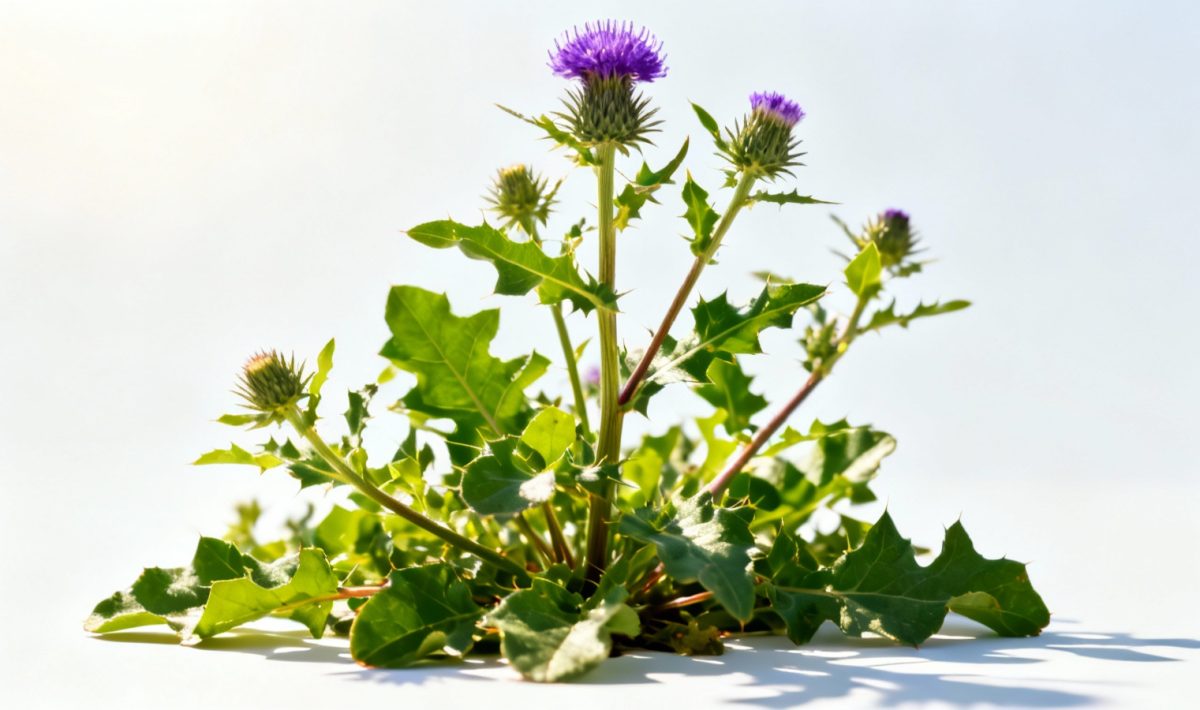
Understanding creeping thistle and its light preferences
Creeping thistle is one of those weeds that really knows how to make itself at home in your garden. This persistent perennial spreads through an extensive root system, making it particularly challenging to control once established. The key to understanding how much sunlight does creeping thistle need lies in recognizing its aggressive nature and adaptability to various growing conditions.
This invasive weed thrives in full sunlight conditions, requiring at least 6-8 hours of direct sunlight daily for optimal growth. However, what makes creeping thistle particularly troublesome is its ability to tolerate partial shade better than many other weeds. While it prefers bright, sunny locations, it can still establish and spread in areas receiving as little as 4 hours of sunlight per day.
The plant’s robust root system allows it to compete effectively with other vegetation for nutrients and moisture. Understanding these light requirements becomes crucial when developing an effective weed control strategy for your lawn and garden areas.
Optimal growing conditions for this persistent weed
Creeping thistle demonstrates remarkable adaptability across different soil types and moisture levels. It performs best in rich, fertile soils but can establish itself in poor conditions where other plants struggle. The weed shows particular vigor in disturbed soils, making newly cultivated areas especially vulnerable to invasion.
Temperature plays a significant role in the plant’s development, with optimal growth occurring between 77-86°F. During these conditions, combined with adequate sunlight exposure, creeping thistle can rapidly expand its territory through both seed dispersal and underground rhizome growth.
The plant’s preference for open, sunny areas means it often colonizes agricultural fields, pastures, and neglected lawn spaces. Just as gardeners carefully consider sunlight requirements for lemon trees when planning their landscape, understanding thistle’s light needs helps in developing targeted control strategies.
Soil conditions that encourage growth
Creeping thistle shows remarkable tolerance for various soil pH levels, thriving in slightly alkaline to neutral conditions. Clay soils with good moisture retention tend to support more vigorous growth, though the weed can establish in sandy soils as well.
Poor drainage actually favors thistle establishment in some cases, as the plant’s deep taproot system allows it to access moisture that other plants cannot reach. This adaptability makes it a formidable competitor in diverse growing environments.
Effective control methods for managing thistle populations
Successful weed control requires understanding the plant’s growth patterns and vulnerabilities. Mechanical control through repeated mowing or cutting can weaken thistle stands over time, but timing is crucial for maximum effectiveness. The best results occur when cutting during the bud stage, before seed formation begins.
Chemical control using selective herbicides provides another option for managing large infestations. Post-emergent herbicides containing ingredients like clopyralid or picloram show excellent effectiveness against established thistle populations. However, these treatments work best when applied during active growth periods in spring and early summer.
Cultural control practices focus on promoting dense, healthy turf that can compete effectively with invasive weeds. Regular fertilization, proper watering, and overseeding thin areas help create conditions unfavorable for thistle establishment. This approach requires patience but provides long-term benefits for overall lawn health.
Integrated management strategies
Combining multiple control methods typically yields the best results in thistle management. Start with mechanical removal of isolated plants, followed by targeted herbicide applications for larger infestations. The key lies in persistence and follow-up treatments, as thistle’s extensive root system allows regrowth from small root fragments.
Prevention remains the most effective long-term strategy. Maintaining healthy soil conditions and establishing competitive vegetation reduces opportunities for thistle colonization. Much like understanding sunlight needs of common lilac helps gardeners create optimal growing conditions for desirable plants, knowing thistle’s preferences helps in creating unfavorable conditions for this weed.
Timing your control efforts for maximum impact
The most effective control timing coincides with the plant’s vulnerable growth stages. Early spring applications, when thistle begins active growth, provide excellent control before the plant builds energy reserves. Late fall treatments can also prove effective, as the plant translocates nutrients to root storage organs.
Avoid control efforts during drought stress periods, as plants may not absorb herbicides effectively. Similarly, extremely hot weather can reduce treatment effectiveness and potentially harm desirable vegetation in surrounding areas.
Consider the broader landscape when planning control measures. Just as gardeners plan light requirements for garden nasturtium to ensure beautiful blooms, strategic timing of thistle control protects valuable plants while maximizing weed suppression.
Seasonal considerations for treatment
Spring treatments should focus on young, actively growing thistle stands before they reach full maturity. This timing allows herbicides to move effectively through the plant system and reach the extensive root network that enables thistle’s persistence.
Summer control becomes more challenging as plants enter reproductive phases and may become less susceptible to certain treatments. However, cutting flower heads before seed set prevents population expansion and reduces future infestations.
Long-term prevention and lawn maintenance
Creating an environment unfavorable for thistle establishment requires ongoing attention to soil health and vegetation density. Regular soil testing helps identify nutrient deficiencies that might create opportunities for weed invasion. Proper fertilization schedules support dense turf growth that naturally suppresses weed germination.
Water management plays a crucial role in prevention strategies. Deep, infrequent watering encourages deep root development in desirable plants while avoiding the surface moisture conditions that favor many weed species during germination.
Overseeding thin or bare areas eliminates the open spaces that thistle readily colonizes. Choose grass varieties appropriate for your growing conditions and maintenance preferences. Understanding how different plants compete for resources, such as learning about growing white clover successfully, can inform decisions about ground cover alternatives.
Building soil health for natural resistance
Healthy soil supports robust plant communities that resist weed invasion through natural competition. Regular organic matter additions improve soil structure and support beneficial microorganisms that aid plant health. Avoid over-cultivation, which creates the disturbed soil conditions that favor thistle establishment.
Consider incorporating diverse plant species that can compete effectively for the light and nutrients that thistle requires. Dense plantings of appropriate species create natural barriers against weed invasion while providing aesthetic and functional benefits to the landscape.
Monitoring and adaptive management approaches
Regular monitoring allows early detection of new thistle populations before they become established. Walk your property systematically during growing seasons, paying particular attention to areas with recent soil disturbance or thin vegetation coverage.
Keep detailed records of control efforts, including treatment types, timing, and effectiveness. This information helps refine your approach over time and identifies the most successful strategies for your specific conditions.
Adapt your management approach based on observed results and changing conditions. What works in one area of your property may require modification for different microclimates or soil conditions. Similar to how gardeners adjust care based on specific needs, such as understanding cape jasmine sunlight exposure guidelines, thistle control requires site-specific adaptations.
Remember that effective thistle control is typically a multi-year process requiring patience and persistence. The plant’s extensive root system and seed production capacity mean that single-season treatments rarely provide complete control. However, consistent management efforts will gradually reduce populations and prevent new establishments, ultimately leading to successful long-term control of this persistent weed.

Allan is a lifelong gardening enthusiast who still gets excited when the first seedlings pop up in spring. With a deep love for nature and a hands-in-the-soil approach, he shares practical tips, plant discoveries, and clever tricks picked up over years of digging, planting, and observing. Whether you’re a new gardener or have a shed full of tools, Allan writes like a neighbor who’s always happy to swap cuttings and stories over the fence.
You can find more about Allan’s work on Malt or connect with him on LinkedIn.


