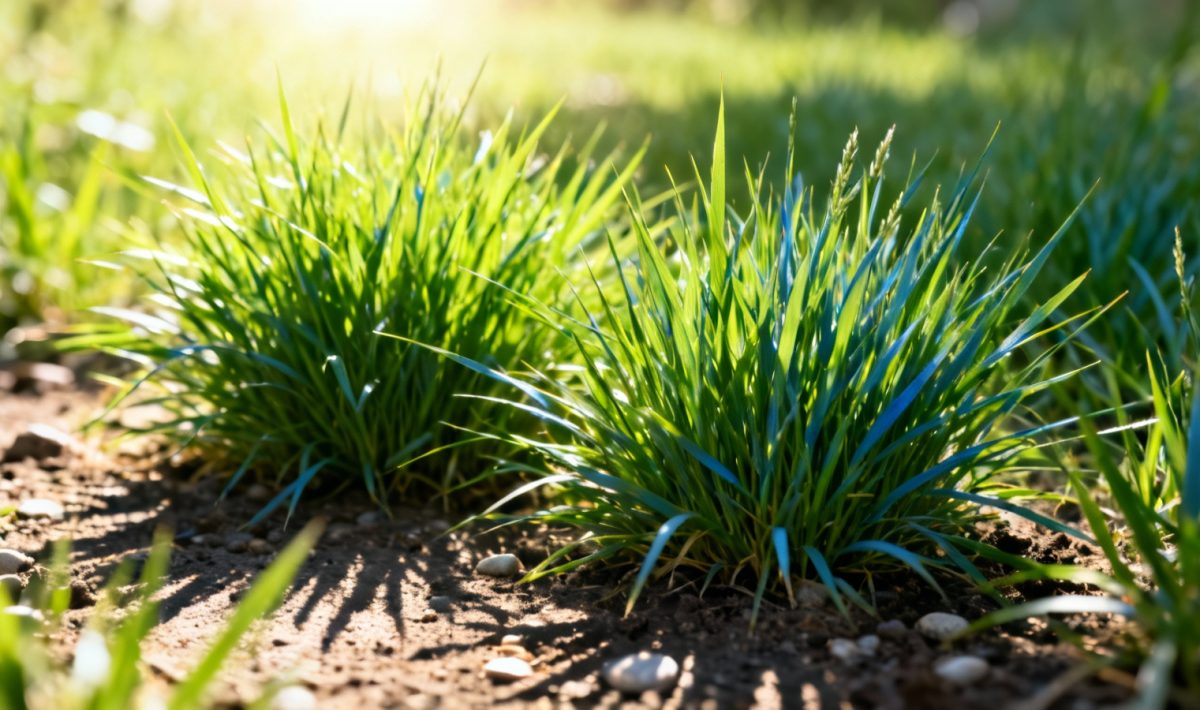
Understanding annual bluegrass and its remarkable light adaptability
Annual bluegrass, scientifically known as Poa annua, stands out as one of the most shade-tolerant grasses you can encounter. This remarkable plant has earned quite a reputation among gardeners and turf managers for its ability to thrive in conditions that would challenge many other grass species. Unlike traditional lawn grasses that demand full sun exposure, annual bluegrass demonstrates an impressive capacity to flourish even in significantly shaded environments.
The adaptability of this grass type makes it particularly interesting for home gardeners dealing with challenging light conditions. However, understanding its specific needs can help you make informed decisions about whether this species suits your particular situation. Many gardeners find themselves surprised by how well annual bluegrass performs in areas where other grasses simply cannot establish themselves.
The fascinating origins and characteristics of annual bluegrass
This green marvel originally emerged as a cool-season grass that has spread across temperate regions worldwide. The plant typically completes its entire life cycle within one growing season, which explains its “annual” designation. During this season, it produces delicate seed heads and maintains a fine texture that many find appealing in certain landscape applications.
What makes annual bluegrass particularly noteworthy is its opportunistic nature. The plant can establish itself quickly in disturbed soils and areas with variable light conditions. This characteristic has made it both a valuable ground cover option and, in some cases, a persistent weed that gardeners must manage carefully.
Precise sunlight requirements based on scientific research
Recent scientific studies have revealed fascinating details about how much sunlight annual bluegrass actually needs to flourish. Research conducted in controlled greenhouse environments has established specific thresholds for this remarkable grass. The findings show that annual bluegrass can achieve flowering with as little as 1.64 mol m⁻² d⁻¹ of Daily Light Integral (DLI), which represents an extraordinarily low light requirement.
To put this in perspective, this grass can maintain productive growth even under approximately 92% shade conditions. This level of shade tolerance far exceeds what most other grasses can handle, making annual bluegrass a premier choice for challenging garden locations. The plant continues to produce biomass and maintain its green appearance even when receiving minimal direct sunlight throughout the day.
For comparison, understanding different plant light requirements can be helpful. Just as you might research sunlight requirements for lemon trees, knowing annual bluegrass needs helps you plan your garden layout more effectively.
How much sunlight does annual bluegrass need for different growth stages
The light requirements of annual bluegrass vary depending on what you want to achieve with the plant. For basic vegetative growth, the grass can survive and even thrive with surprisingly minimal light exposure. However, different growth phases have distinct needs that are worth understanding if you want to optimize its performance in your garden.
During its early establishment phase, annual bluegrass shows remarkable resilience. Seeds can germinate successfully in partially shaded conditions, though they do benefit from some direct sunlight during this critical period. Once established, the mature plants demonstrate their impressive shade tolerance, continuing to grow and spread even under dense tree canopies.
Flowering and reproductive success in various light conditions
One of the most impressive aspects of annual bluegrass is its ability to complete its reproductive cycle under low light conditions. While many grasses require full sun to produce viable seeds, annual bluegrass can flower and set seed with minimal direct sunlight. This reproductive success under challenging conditions contributes to its persistent nature in diverse garden environments.
The plant’s flowering typically occurs in spring and can continue throughout the growing season under favorable conditions. Even in shaded areas where other grasses would struggle to survive, annual bluegrass can produce the delicate seed heads that characterize this species. This ability makes it particularly valuable for gardeners dealing with heavily shaded areas where establishing any type of grass coverage proves challenging.
Optimizing growth through strategic light management
While annual bluegrass tolerates shade exceptionally well, providing optimal light conditions can significantly improve its appearance and density. Areas receiving morning sun followed by afternoon shade often produce the most attractive stands of this grass. This combination provides enough energy for robust growth while protecting the plants from excessive heat stress during peak afternoon hours.
Understanding light preferences helps when planning companion plantings as well. Similar to how you might consider optimal sunlight for creeping thistle when designing mixed plantings, knowing annual bluegrass preferences allows for better garden integration. The grass often performs well as an understory plant beneath deciduous trees that provide filtered light throughout the growing season.
Environmental factors that influence light utilization
Several environmental factors can significantly impact how effectively annual bluegrass utilizes available sunlight. Soil conditions, moisture levels, and temperature all play crucial roles in determining how well the plant performs under various light regimes. Understanding these interactions helps gardeners create optimal growing conditions even in challenging environments.
Soil drainage proves particularly important for annual bluegrass success. The plant prefers well-draining soils that don’t become waterlogged, especially during the cooler months when growth is most active. Poor drainage can stress the plants and reduce their ability to efficiently use available sunlight, leading to weaker growth and increased susceptibility to disease issues.
Seasonal variations and their impact on light needs
The changing seasons bring different challenges and opportunities for annual bluegrass cultivation. During autumn and early spring, when deciduous trees are bare, the grass can take advantage of increased light penetration to establish strong root systems and dense growth. This seasonal variation in available light actually works in the plant’s favor, providing peak energy when it’s most needed for growth.
Winter conditions in many regions create unique opportunities for annual bluegrass to thrive. While other grasses enter dormancy, this cool-season species can continue active growth during mild winter periods. The combination of adequate moisture and increased light availability during leafless periods allows the grass to maintain its green appearance when most other plants are dormant.
Temperature regulation also plays a significant role in how efficiently annual bluegrass uses available light. Much like how different plants have varying needs – for instance, sunlight needs for common lilac differ from grass requirements – understanding these nuances helps create better growing conditions.
Companion planting considerations for light optimization
When incorporating annual bluegrass into mixed plantings, consider how companion plants might affect available light. Taller perennials and shrubs can provide beneficial partial shade during hot summer months while still allowing adequate light for grass growth. This natural shading can actually improve the grass’s appearance and reduce water stress during challenging periods.
Strategic placement of annual bluegrass around other garden plants can create attractive naturalistic effects. The grass works particularly well as a living mulch around flowering plants that appreciate some competition suppression. Just as you might plan placements considering ideal sunlight for garden nasturtium, thoughtful positioning enhances overall garden success.
Practical cultivation tips for success with annual bluegrass
Successfully growing annual bluegrass requires understanding both its remarkable tolerance and its specific preferences. The key lies in working with the plant’s natural adaptability while providing conditions that encourage healthy, attractive growth. Most home gardeners find that this grass requires less intervention than traditional lawn grasses, making it an excellent choice for low-maintenance landscapes.
Timing plays a crucial role in annual bluegrass establishment. Cool-season planting during autumn or early spring provides optimal conditions for germination and establishment. During these periods, moderate temperatures and typically adequate moisture create ideal growing conditions that allow the grass to take full advantage of available light.
Site selection and preparation strategies
Choosing the right location significantly impacts annual bluegrass success. Areas that receive morning sunlight but are protected from intense afternoon heat often produce the most attractive stands. The grass also performs well in transitional zones between full sun and full shade areas, making it valuable for challenging landscape situations where other grasses struggle.
Soil preparation doesn’t need to be extensive for annual bluegrass, but attention to drainage and basic fertility helps ensure good establishment. The plant adapts to various soil types but performs best in well-draining conditions with moderate fertility. Excessive fertilization can actually reduce the plant’s natural charm and lead to overly lush growth that may be more susceptible to disease issues.
When planning your garden layout, consider how annual bluegrass might complement other plants with different light requirements. For example, understanding sunlight preferences for white clover can help create compatible plant communities that work well together in various light conditions.
Maintenance and long-term management
Annual bluegrass typically requires minimal maintenance once established, which appeals to many gardeners seeking low-maintenance options. The grass naturally reseeds itself under favorable conditions, creating sustainable stands that can persist for many years with minimal intervention. However, understanding its growth patterns helps you manage it effectively as part of your overall landscape design.
Mowing practices should accommodate the grass’s natural growth habit and flowering cycle. Allowing some seed production helps maintain the stand, while occasional mowing can improve appearance and prevent the grass from becoming too tall or untidy. The timing and frequency of mowing can be adjusted based on your specific aesthetic goals and the role the grass plays in your landscape.
Water management becomes particularly important during establishment and drought periods. While mature annual bluegrass shows good drought tolerance, consistent moisture during germination and early growth significantly improves success rates. Once established, the grass typically requires less water than traditional lawn grasses, making it suitable for water-wise gardening approaches.
For gardens featuring diverse plantings, annual bluegrass can serve as an attractive groundcover that complements various other species. Similar to considering sunlight requirements for cape jasmine when designing mixed borders, understanding how annual bluegrass fits into your overall plant community helps create more successful and attractive landscapes.
Making informed decisions about annual bluegrass in your garden
Understanding the specific sunlight requirements of annual bluegrass empowers gardeners to make informed decisions about incorporating this versatile species into their landscapes. With its exceptional shade tolerance and minimal light requirements, annual bluegrass offers unique solutions for challenging garden areas where other grasses simply cannot establish successfully.
The scientific evidence clearly demonstrates that annual bluegrass can thrive with remarkably little direct sunlight, making it an excellent choice for shaded areas, understory plantings, and transitional zones in the garden. This adaptability, combined with its attractive fine texture and cool-season growth pattern, makes it a valuable addition to many landscape situations.
Whether you’re dealing with heavily shaded areas, looking for low-maintenance ground cover options, or seeking to create naturalistic plant communities, annual bluegrass deserves serious consideration. Its ability to flourish where other grasses fail opens up new possibilities for creating attractive, functional landscapes in challenging conditions while requiring minimal ongoing care and resources.
Allan is a lifelong gardening enthusiast who still gets excited when the first seedlings pop up in spring. With a deep love for nature and a hands-in-the-soil approach, he shares practical tips, plant discoveries, and clever tricks picked up over years of digging, planting, and observing. Whether you’re a new gardener or have a shed full of tools, Allan writes like a neighbor who’s always happy to swap cuttings and stories over the fence.
You can find more about Allan’s work on Malt or connect with him on LinkedIn.