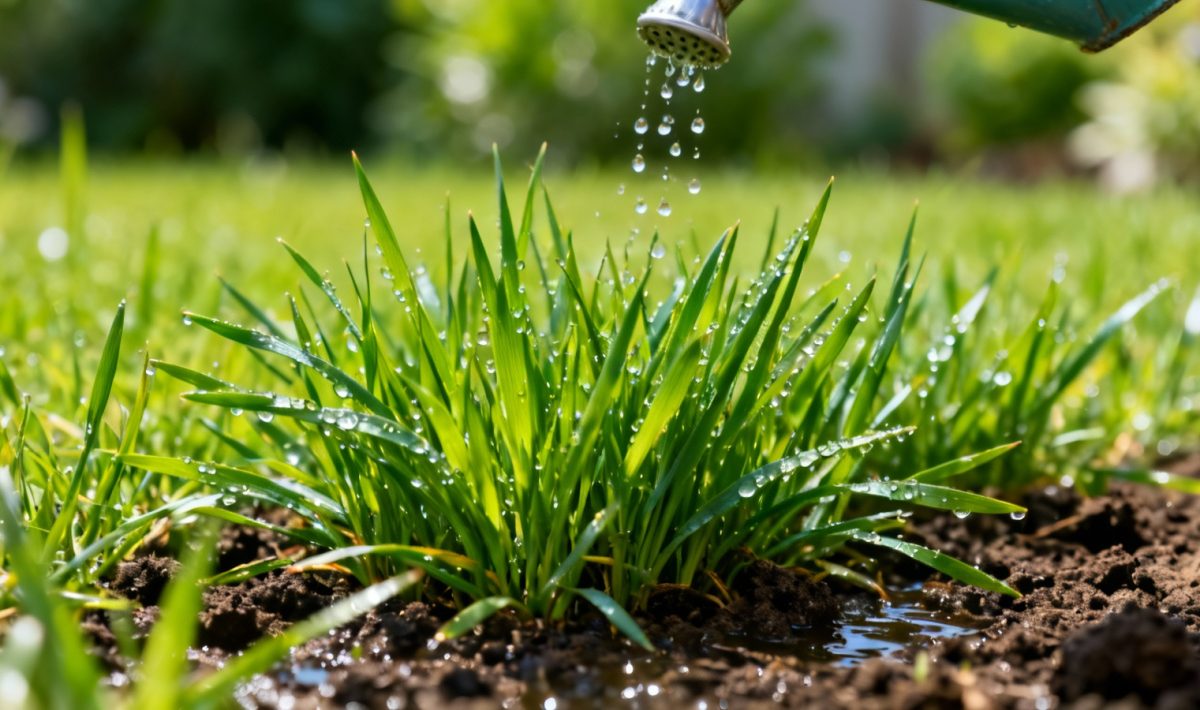
How often should you water your annual bluegrass for healthy lawn care
When it comes to maintaining a healthy lawn, understanding how often you should water your annual bluegrass makes all the difference between a thriving green space and a patchy disappointment. This cool-season grass has specific water requirements that will determine its success in your yard. Getting the watering schedule right is crucial for developing strong roots and maintaining that lush appearance you’re after.
Annual bluegrass, scientifically known as Poa annua, requires consistent moisture without becoming waterlogged. The grass thrives when you provide water twice per week under normal conditions. This frequency allows the soil to maintain proper moisture levels while preventing the root rot that can occur with overwatering. However, your specific watering schedule will depend on several factors that you need to consider.
The development of your grass depends heavily on maintaining the right balance of moisture in the soil. Too much water can be just as damaging as too little, which is why understanding your grass’s specific needs is essential. During the first year of establishment, your annual bluegrass will be particularly sensitive to watering variations.
Key factors that influence watering frequency
Your soil type plays a very important role in determining how often you should water. Sandy soils drain quickly and will require more frequent watering sessions, while clay soils retain moisture longer and need less frequent irrigation. You can test your soil by digging a small hole and observing how quickly water drains away.
Weather conditions also significantly impact your watering schedule. During hot, dry periods in summer, you may need to increase frequency, while cooler spring and autumn temperatures typically require less water. Ray of sunshine and wind can quickly dry out your lawn, making it necessary to adjust your approach accordingly.
The season affects how much water your grass needs throughout the year. Spring brings active growth that demands consistent moisture, while winter dormancy requires minimal watering. Summer heat stress means you’ll need to monitor soil moisture more carefully and potentially water more often.
Seasonal watering adjustments
During spring and early summer, when annual bluegrass experiences its primary growing season, maintain your twice-weekly schedule with deep, thorough watering sessions. These sessions should provide about one inch of water per week, including rainfall. This approach encourages deep root development rather than shallow surface roots.
For those seeking comprehensive lawn care guidance, exploring the ideal watering frequency for bluegrass varieties can provide additional insights into cool-season grass maintenance. Summer months may require daily monitoring, especially during heat waves when your grass shows signs of stress like wilting or color changes.
Autumn watering should gradually decrease as temperatures cool and growth slows. However, don’t stop completely, as your grass still needs moisture for root development and winter preparation. Winter watering is minimal, only necessary during extended dry periods when the ground isn’t frozen.
Effective watering techniques for annual bluegrass
The method you choose for watering can be just as important as the frequency. Deep, infrequent watering encourages strong root systems, while light, frequent watering promotes shallow roots that are more susceptible to drought stress. Always water early in the morning to reduce evaporation and prevent disease issues.
Drip irrigation systems provide excellent control over water distribution, delivering moisture directly to the root zone without waste. These systems are particularly good for maintaining consistent soil moisture, which annual bluegrass appreciates. Automatic sprinkler systems can also work well when properly calibrated and timed.
Much like how you care for other plants in your garden, such as understanding proper loquat watering schedule, consistency is key with grass care. Hand watering with a sprinkler or hose works for smaller areas, but requires discipline to maintain the proper schedule and coverage.
Signs your annual bluegrass needs water
Learning to read your lawn’s signals will help you fine-tune your watering schedule. The first sign of water stress is usually a change in color from bright green to a duller, grayish-green hue. Footprints that remain visible on the grass for more than a few seconds also indicate it’s time to water.
Checking soil moisture is always the most reliable method. Insert a screwdriver or similar tool into the ground; if it penetrates easily to a depth of 6 inches, your soil has adequate moisture. If you encounter resistance after just 2-3 inches, it’s time to water.
Just as herb gardeners learn specific care requirements, such as rosemary watering tips and guidelines, understanding your grass’s unique signals becomes second nature with experience. Watch for wilting during the hottest part of the day, which can indicate water stress even when the soil feels moist.
Common watering mistakes to avoid
Overwatering is one of the most common mistakes that can lead to fungal diseases and weak root systems. Annual bluegrass is particularly susceptible to these issues when the soil remains constantly saturated. Always check soil moisture before adding more water, even if it’s your scheduled watering day.
Watering too late in the evening creates conditions favorable for disease development. The grass blades remain wet overnight, providing an ideal environment for fungal problems. Similarly, watering during the heat of midday results in excessive evaporation and can actually stress the grass.
Inconsistent watering confuses your grass and prevents it from developing a strong root system. Whether you’re caring for lawn grass or learning about optimal watering for arborvitae plants, consistency in your care routine produces the best results. Stick to your schedule as much as possible, adjusting only when weather conditions clearly warrant it.
Soil preparation for optimal water retention
Preparing your soil properly will help you maintain consistent moisture levels with less frequent watering. Adding organic matter like compost improves both drainage in clay soils and water retention in sandy soils. This creates an ideal environment that annual bluegrass can thrive in throughout the growing season.
Proper soil drainage prevents waterlogging, which can kill grass roots quickly. If your soil tends to stay soggy after watering, consider installing drainage improvements or selecting a different location for your lawn. The ground should drain well within 24 hours after a thorough watering.
Testing your soil pH helps ensure optimal nutrient uptake, which affects how efficiently your grass uses water. Annual bluegrass prefers slightly acidic to neutral soil conditions, typically between 6.0 and 7.0 pH. Poor nutrient uptake can make grass more susceptible to drought stress.
Fertilization and watering coordination
Coordinating your fertilization schedule with watering ensures maximum nutrient uptake. Water helps dissolve fertilizer and carry nutrients to the roots, making your feeding program more effective. Apply fertilizer before a scheduled watering session, not during dry periods.
Understanding plant nutrition principles applies whether you’re caring for grass or learning about watering coriander for best leaf production. The timing of nutrient application significantly impacts plant health. Avoid fertilizing stressed or drought-stressed grass, as this can cause additional damage.
Slow-release fertilizers work particularly well with annual bluegrass because they provide steady nutrition that matches the grass’s uptake capacity. This reduces the risk of fertilizer burn and helps maintain consistent growth throughout the season.
Frequently asked questions
Many homeowners wonder if they should adjust watering based on rainfall. The answer is yes – you should always account for natural precipitation in your watering schedule. Use a rain gauge to measure how much water your lawn receives and adjust accordingly.
Another common question involves watering frequency for newly seeded areas. Young grass requires more frequent, lighter watering until it establishes strong roots. Similar to how you might research watering recommendations for chives when starting an herb garden, new grass needs special attention during establishment.
The best time to water is early morning, between 6 and 10 AM. This timing allows grass to absorb moisture before the day’s heat while giving leaf surfaces time to dry before evening. This approach minimizes disease risk while maximizing water efficiency for your annual bluegrass lawn.
Allan is a lifelong gardening enthusiast who still gets excited when the first seedlings pop up in spring. With a deep love for nature and a hands-in-the-soil approach, he shares practical tips, plant discoveries, and clever tricks picked up over years of digging, planting, and observing. Whether you’re a new gardener or have a shed full of tools, Allan writes like a neighbor who’s always happy to swap cuttings and stories over the fence.
You can find more about Allan’s work on Malt or connect with him on LinkedIn.