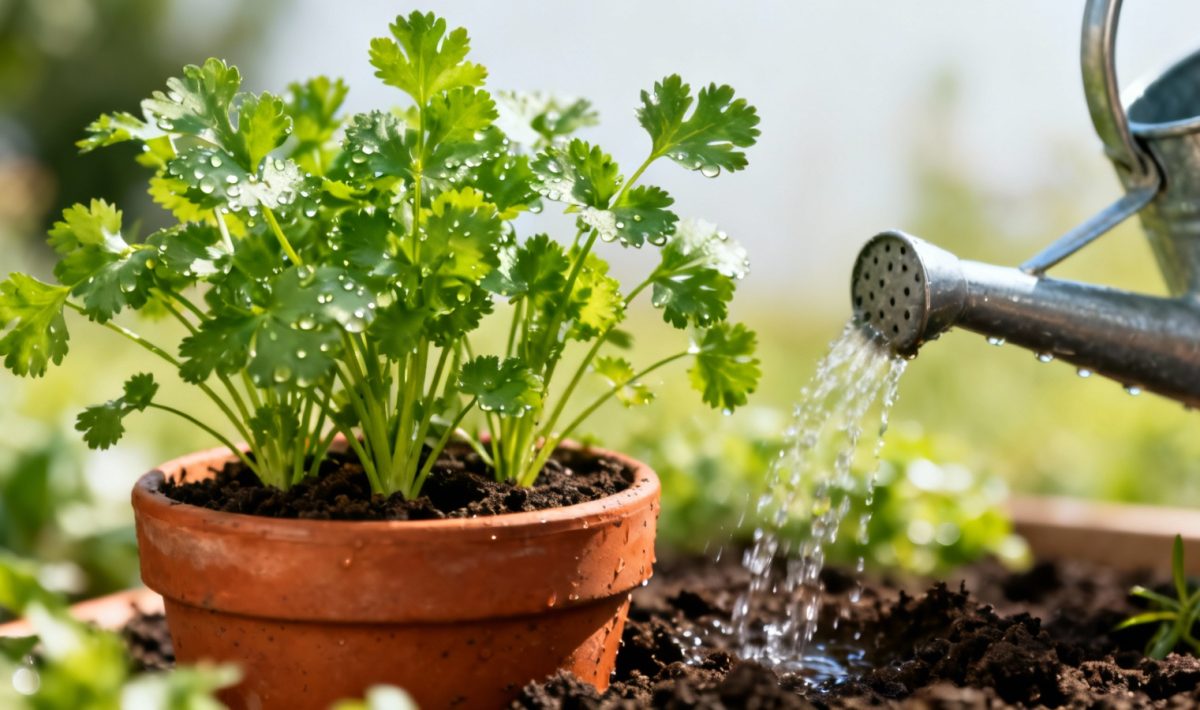
Growing fresh coriander in your kitchen garden brings incredible satisfaction, especially when you master the art of proper watering. This fragrant herb thrives with consistent moisture, but finding the right balance can make the difference between lush green leaves and disappointing results. Understanding how often should you water your coriander is essential for maintaining healthy plants that provide fresh herbs for your cuisine.
Coriander, also known as cilantro, requires more attention than many gardeners initially realize. The frequency of watering depends on several key factors including temperature, humidity, soil type, and whether you’re growing in containers or garden beds. Generally, you should water coriander every two to three days during the growing season, but this can vary significantly based on your specific conditions.
Key factors that influence watering frequency
Temperature and humidity play crucial roles in determining how often your coriander needs water. During hot summer days, the soil dries out much faster, requiring daily watering to keep the roots happy. Conversely, during cooler periods or in naturally humid environments, you can extend the interval between watering sessions to prevent root rot.
The age of your coriander plants also affects their water requirements. Young seedlings need consistent moisture but not waterlogged conditions, while established plants can tolerate slightly drier periods. For gardeners who also grow other herbs, you might find similarities with watering chives for healthy growth, as both herbs appreciate regular but moderate moisture levels.
Soil drainage is another critical factor that determines watering frequency. Well-draining soil allows excess water to escape, preventing the soggy conditions that coriander roots despise. If your soil retains too much moisture, you’ll need to water less frequently but ensure good drainage to maintain healthy root systems.
Seasonal watering adjustments
Spring and early summer represent the peak growing season for coriander, when the plant actively produces new leaves and requires consistent moisture. During this period, check the soil daily and water when the top inch feels dry to the touch. The goal is maintaining evenly moist soil that never becomes completely dry or waterlogged.
As temperatures rise in midsummer, coriander faces increased stress and may bolt to seed more quickly. Frequent watering becomes even more important during this phase, sometimes requiring twice-daily attention in extremely hot climates. However, morning watering is generally preferable as it allows plants to absorb moisture before the heat of the day.
Indoor vs outdoor coriander watering differences
Container-grown coriander requires more frequent watering than plants grown directly in garden soil. Pots dry out faster due to limited soil volume and increased exposure to air circulation. You’ll typically need to water potted coriander every day or every other day, depending on container size and environmental conditions.
For indoor cultivation, ensure your pots have proper drainage holes to prevent water from accumulating at the bottom. Unlike optimal growth for watermelon plants that need deep, infrequent watering, coriander prefers lighter, more frequent applications that keep the soil consistently moist but not saturated.
Outdoor coriander benefits from natural rainfall, which can reduce your watering responsibilities during wet periods. However, you’ll still need to monitor soil moisture levels and supplement with irrigation during dry spells. Garden-grown coriander typically needs watering two to three times per week, though this varies with climate and soil conditions.
Proper watering techniques for best results
Water coriander at the base of the plant rather than overhead to minimize leaf moisture and reduce disease risk. Use a gentle stream that doesn’t disturb the soil or damage delicate stems. Early morning watering allows plants to absorb moisture before daytime heat increases evaporation rates.
The amount of water matters as much as frequency. Apply enough water to penetrate the root zone without creating runoff or standing water. For container plants, water until you see drainage from the bottom holes, then allow excess water to escape completely.
Signs your coriander needs water
Learning to read your plants’ signals helps you adjust watering schedules based on actual needs rather than rigid timelines. Wilting leaves often indicate water stress, but check soil moisture before watering as wilting can also result from overwatering or disease issues.
Soil color and texture provide reliable indicators of moisture levels. Dry soil appears lighter in color and feels crumbly, while properly moist soil maintains a darker appearance and slight stickiness when squeezed gently. This observation skill proves valuable when growing various plants, including understanding watering garden nasturtiums for blooms and other garden favorites.
Yellow or brown leaf edges can signal either underwatering or overwatering, making soil inspection essential for proper diagnosis. Consistently moist but not soggy soil typically produces the healthiest, most flavorful coriander leaves for your kitchen adventures.
Common watering mistakes to avoid
Overwatering ranks as the most common mistake when caring for coriander. While this herb likes consistent moisture, soggy conditions lead to root rot and fungal problems that can quickly kill your plants. Always check soil moisture before watering, even if you think it’s time for the next application.
Inconsistent watering creates stress that encourages premature bolting, reducing your harvest of tender leaves. Establishing a regular routine helps maintain steady moisture levels that support continued leaf production throughout the growing season.
Special considerations for different growing methods
Hydroponic coriander systems require different water management approaches than traditional soil growing. These setups provide constant access to nutrients and moisture, eliminating concerns about watering frequency while focusing on nutrient solution management and pH balance.
For companion planting enthusiasts, consider that coriander’s water needs may differ from neighboring plants. Unlike succulents such as healthy growth of trailing jade that prefer infrequent deep watering, coriander thrives with more regular moisture applications.
Window box and balcony gardens present unique challenges due to increased exposure to wind and sun. These conditions accelerate moisture loss, requiring more frequent attention than protected garden locations. Consider using mulch or companion plants to help retain soil moisture in exposed locations.
Maximizing your coriander harvest through proper watering
Consistent watering practices directly impact the quality and quantity of your coriander harvest. Well-watered plants produce more tender, flavorful leaves with better texture for fresh use in cooking. The key lies in maintaining steady moisture without creating the waterlogged conditions that stress the plants.
Regular harvesting combined with proper watering encourages continued leaf production and delays flowering. Pick outer leaves frequently to stimulate new growth, but ensure your watering schedule supports this increased demand for nutrients and moisture.
For those growing multiple herbs, you’ll find that coriander’s needs differ from plants like caring for your aloe vera plant which requires much less frequent watering. Understanding these differences helps you create efficient watering schedules that benefit all your plants.
Creating a sustainable watering routine
Establishing a consistent watering schedule forms the foundation of successful coriander cultivation. Start by checking soil moisture daily until you understand your specific conditions, then adjust frequency based on seasonal changes and plant responses. Most gardeners find that every two to three days works well for garden plants, while container plants may need daily attention.
Consider using moisture meters or simply inserting your finger into the soil to gauge moisture levels accurately. This hands-on approach helps you develop the intuition needed for long-term gardening success with coriander and other herbs in your collection.
Remember that proper watering is just one component of healthy coriander growth. Combined with appropriate soil, adequate sunlight, and regular harvesting, consistent moisture management will reward you with abundant fresh herbs for all your culinary adventures.
Allan is a lifelong gardening enthusiast who still gets excited when the first seedlings pop up in spring. With a deep love for nature and a hands-in-the-soil approach, he shares practical tips, plant discoveries, and clever tricks picked up over years of digging, planting, and observing. Whether you’re a new gardener or have a shed full of tools, Allan writes like a neighbor who’s always happy to swap cuttings and stories over the fence.
You can find more about Allan’s work on Malt or connect with him on LinkedIn.