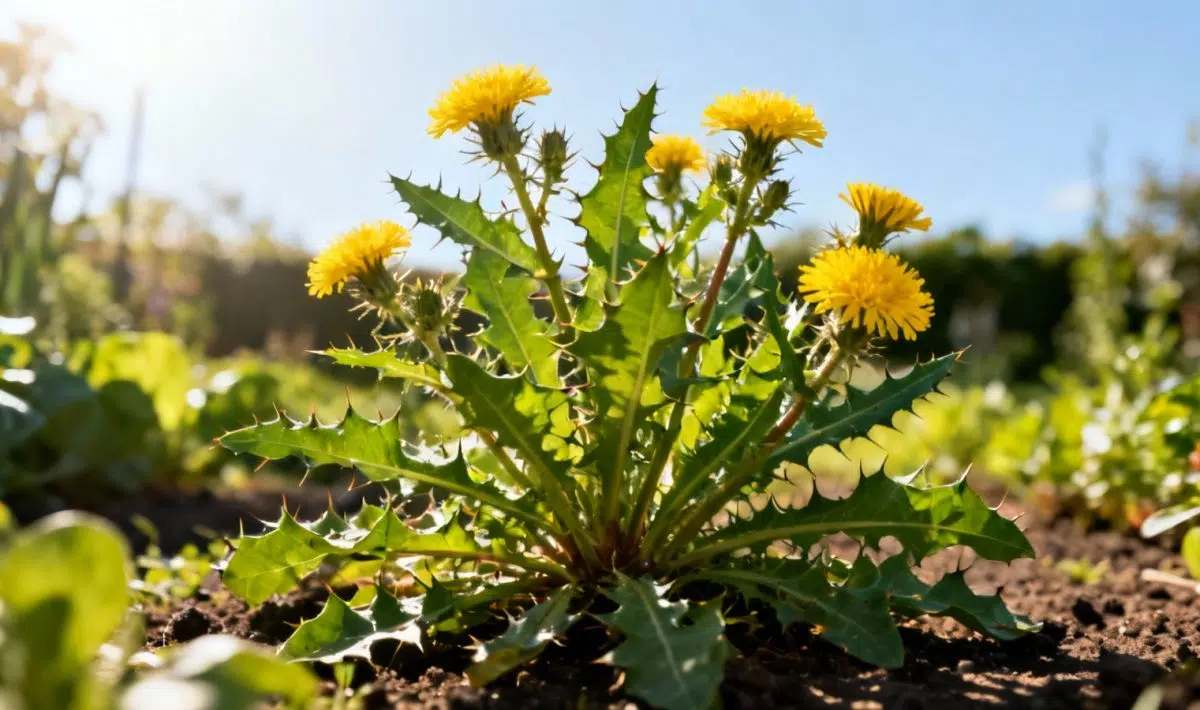
How much sunlight does spiny sowthistle need for optimal growth
Understanding how much sunlight does spiny sowthistle need is crucial for successful gardening. This hardy annual plant thrives with proper light exposure, making it essential to know its specific requirements for optimal growth and development.
Spiny sowthistle (Sonchus asper) demands 6 to 8 hours of direct sunlight daily for optimal growth. This robust plant particularly benefits from morning light exposure, especially during summer months when temperatures are higher. The plant’s natural adaptation allows it to flourish in full sun conditions, making proper placement essential for gardening success.
Research shows that germination rates reach up to 80% when seeds are exposed to adequate light conditions. However, light requirements vary throughout the plant’s lifecycle, with mature plants needing consistent exposure for proper flowering and seed production.
✅ Quick Checklist
Is the soil too wet or too dry?
Is the plant getting 6+ hours of sunlight daily?
Have you fertilized in the last 2 months?
Are there visible pests under the leaves?
Does the pot have adequate drainage?
🔥 FREE
📱
Diagnose your plant in one click!
AI instant diagnosis • Personalized solutions • 50,000+ species
Selecting the right location is fundamental for spiny sowthistle cultivation. The plant performs best when positioned where it receives unobstructed morning sunlight. This timing helps the plant photosynthesize efficiently while avoiding excessive heat stress during peak afternoon hours.
Garden placement should prioritize areas with minimal shade from nearby structures or taller plants. Spiny sowthistle shows sensitivity to shading, which can significantly reduce its vigor and reproductive capacity. Similar to how sunlight requirements for Swedish ivy vary by species, understanding these specific needs ensures healthier plant development.
Temperature and light interaction
Temperature plays a crucial role alongside light exposure. The optimal germination range falls between 43°F to 77°F (7°C to 25°C), with adequate moisture and light exposure. Seeds buried under 3 cm of soil show dramatically reduced germination rates of only 5%, highlighting the importance of proper light penetration.
Common light-related problems and solutions
Insufficient sunlight creates several identifiable issues in spiny sowthistle. Plants receiving inadequate light often display elongated stems, pale coloration, and reduced flowering. These symptoms indicate the need for immediate relocation to a sunnier position.
Managing shade stress
When partial shade is unavoidable, gardeners can implement strategic solutions. Reflective surfaces near the plant can increase available light, while careful pruning of surrounding vegetation improves light penetration. However, these are temporary measures since the plant inherently requires full sun conditions.
Essential gardening equipment for spiny sowthistle cultivation
Working with spiny sowthistle requires proper protection due to its thorny nature. Quality gardening gloves are essential for safe handling during planting, maintenance, and harvesting activities. The plant’s spiny characteristics make protection a priority for any gardening tasks.
Choosing the right protective gear
Durable leather gloves provide excellent protection against the plant’s sharp spines. When selecting gardening gloves, consider factors such as material quality, size, and comfort for extended use. Many gardeners find that investing in high-quality protective gear enhances their overall gardening experience.
Online platforms like Amazon offer extensive collections of gardening gloves with customer reviews and pricing information. Reading client feedback helps determine which products offer the best durability and protection for specific gardening needs.
✅ Quick Checklist
Is the soil too wet or too dry?
Is the plant getting 6+ hours of sunlight daily?
Have you fertilized in the last 2 months?
Are there visible pests under the leaves?
Does the pot have adequate drainage?
🔥 FREE
📱
Diagnose your plant in one click!
AI instant diagnosis • Personalized solutions • 50,000+ species
Strategic garden planning maximizes sunlight exposure for spiny sowthistle cultivation. Positioning plants on the south-facing side of garden beds ensures maximum daily light reception. Additionally, avoiding overcrowding prevents neighboring plants from casting unwanted shadows.
Seasonal considerations
Light exposure needs may vary seasonally, particularly in regions with changing sun angles. Summer growth periods require consistent monitoring to ensure plants maintain adequate light exposure as surrounding vegetation grows. Regular garden maintenance helps preserve optimal growing conditions throughout the growing season.
Practical cultivation tips
Successful spiny sowthistle cultivation combines proper light exposure with appropriate garden management. Regular monitoring of plant health indicators helps identify light-related issues before they become problematic. Key observation points include leaf color, stem strength, and overall plant vigor.
Troubleshooting light issues
When plants show signs of insufficient light, immediate action prevents long-term damage. Relocating containers or removing shade sources can quickly improve conditions. For established garden beds, selective pruning of nearby vegetation often resolves shading problems effectively.
Understanding these light requirements ensures successful spiny sowthistle cultivation while maintaining garden safety through proper protective equipment use. With adequate sunlight and appropriate care, these hardy plants reward gardeners with robust growth and successful reproduction cycles.
Allan is a lifelong gardening enthusiast who still gets excited when the first seedlings pop up in spring. With a deep love for nature and a hands-in-the-soil approach, he shares practical tips, plant discoveries, and clever tricks picked up over years of digging, planting, and observing. Whether you’re a new gardener or have a shed full of tools, Allan writes like a neighbor who’s always happy to swap cuttings and stories over the fence.
You can find more about Allan’s work on Malt or connect with him on LinkedIn.