Common sowthistle – Sonchus oleraceus: care, characteristics, culture, propagation
The Sonchus oleraceus, commonly known as common sowthistle, stands out as one of nature’s most adaptable species in the Asteraceae family. This remarkable plant has captured the attention of gardeners and botanists alike for its resilience and versatility. Originally native to Europe, this annual herb has successfully established itself across North America, becoming an integral part of local flora ecosystems.
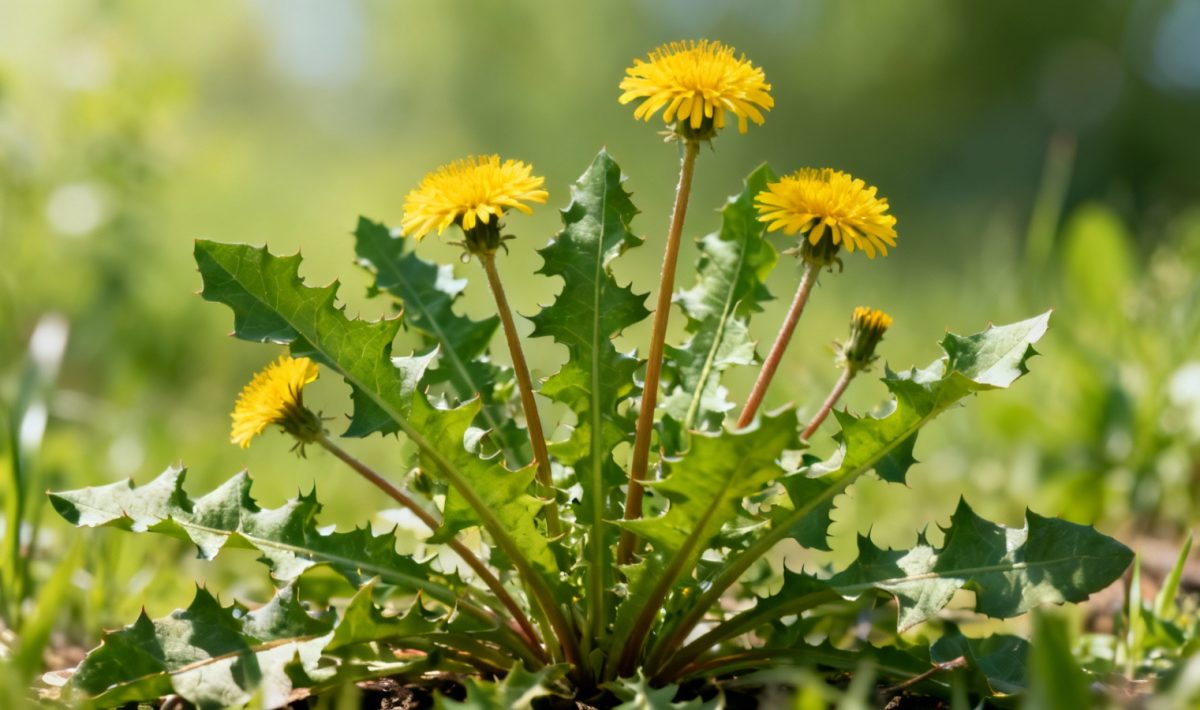
The identification of Sonchus oleraceus becomes straightforward once you recognize its distinctive features. This species typically reaches heights between 30 to 100 centimeters, developing a characteristic hollow stem that distinguishes it from related plants. The leaves display a deeply lobed appearance, somewhat reminiscent of dandelion foliage but with more pronounced serrations along the margins.
The plant’s yellow flowers form compact clusters at the stem tips, creating an attractive display during the blooming period. Each flower head contains numerous individual florets that develop into seeds equipped with a white pappus, facilitating wind dispersal. These akenes ensure the species’ continued propagation across various habitats and agricultural settings.
Young specimens begin as basal rosettes before developing their characteristic upright growth pattern. The surface of mature leaves often appears slightly bluish-green, while the stems remain tender throughout most of the growing season. This morphology makes the plant easily distinguishable from other weeds commonly found in similar environments.
Optimal growing conditions and habitat requirements
Common sowthistle thrives in disturbed soils where competition from established vegetation remains minimal. The species demonstrates remarkable adaptability to various soil types, though it particularly favors well-drained areas with moderate fertility. Gardens, agricultural fields, and roadside margins provide ideal conditions for natural establishment.
Temperature preferences for this plant are quite broad, with optimal germination occurring between 20-12°C in alternating day-night cycles. The species tolerates a wide pH range from 5 to 10, making it suitable for diverse soil conditions. However, it generally avoids waterlogged areas and highly acidic environments like peat bogs.
Sunlight requirements are moderate, with the plant performing well in both full sun and partial shade conditions. This flexibility allows common sowthistle to establish itself in various microenvironments within agricultural landscapes. Just as you might consider different approaches when learning about care for common blackberries, understanding these environmental preferences proves essential for successful cultivation.
Cultivation techniques for garden success
Establishing common sowthistle in controlled environments requires attention to specific cultural practices. Direct seeding proves most effective, with seeds planted at shallow depths of approximately 5-10 millimeters. The germination process typically begins within 7-14 days under favorable conditions.
Soil preparation should focus on creating a loose, well-draining medium enriched with organic matter. While the plant tolerates poor soils, improved nutrition leads to more vigorous growth and better leaf production. Regular watering during establishment helps ensure successful germination, though mature plants demonstrate considerable drought tolerance.
Spacing considerations become important in managed cultivation. Plants should be positioned 15-20 centimeters apart to allow adequate room for development. This spacing prevents overcrowding while maximizing yield potential. Similar to techniques used in growing apricot trees successfully, proper spacing contributes significantly to plant health and productivity.
Propagation methods and techniques
Seed propagation remains the primary method for establishing new common sowthistle populations. Fresh seeds generally show the highest germination rates, though properly stored graines maintain viability for several seasons. Collection should occur when the pappus becomes fully developed but before natural dispersal begins.
The species also demonstrates some capacity for vegetative reproduction through root fragments, particularly in perennial varieties. However, this method proves less reliable than seed propagation for most cultivation purposes. Root divisions can be attempted during early spring when new growth begins emerging.
Greenhouse propagation offers excellent control over growing conditions, especially in regions with challenging climates. Container cultivation allows for precise management of moisture, temperature, and nutrition during critical establishment phases. This controlled approach shares similarities with methods discussed in tips for cucumber cultivation, where environmental control proves crucial for success.
Advanced propagation considerations
Timing plays a crucial role in successful propagation efforts. Spring sowings generally produce the most vigorous plants, though fall seeding can work in milder climates. Temperature monitoring during the germination phase helps optimize success rates and reduce losses.
Seed treatment options include brief cold stratification, which can improve germination uniformity. Soaking seeds for 12-24 hours before planting may also enhance germination speed. These techniques prove particularly valuable when working with older seed stocks or challenging growing conditions.
Care and maintenance practices
Regular maintenance of common sowthistle focuses primarily on moisture management and pest monitoring. While the species demonstrates remarkable tolerance to environmental stress, consistent care improves overall plant quality and productivity. Watering should be moderate, allowing soil to dry slightly between applications.
Fertilization requirements remain modest for this hardy species. A balanced, low-concentration fertilizer applied monthly during active growth provides adequate nutrition. Over-fertilization can lead to excessive vegetative growth at the expense of flower and seed production.
Pest issues are generally minimal with common sowthistle, though aphids occasionally pose problems during warm weather. Natural predators typically provide sufficient control, though monitoring remains important. Disease problems are rare in well-drained soils with adequate air circulation.
Harvesting can occur throughout the growing season for culinary or medicinal purposes. Young leaves provide the best quality, while older foliage becomes increasingly bitter. Regular harvesting actually encourages continued leaf production and extends the useful growing period.
Integration with garden ecosystems
Common sowthistle plays valuable ecological roles in garden environments, supporting various beneficial insects and wildlife. The flowers provide nectar sources for pollinators, while the seeds attract finches and other small birds. This ecological value adds another dimension to cultivation considerations.
The plant’s ability to improve soil structure through its taproot system benefits surrounding vegetation. This soil enhancement capacity makes it valuable in permaculture settings and naturalized garden areas. However, gardeners should be mindful of its self-seeding potential in managed spaces.
Companion planting strategies can incorporate common sowthistle effectively with other herbs and vegetables. Its relatively non-competitive nature allows it to coexist well with most garden plants. For those interested in expanding their indoor growing knowledge, understanding plant care principles like those outlined in caring for Philodendron Birkin can provide valuable insights for diverse cultivation projects.
Management strategies should balance the plant’s beneficial aspects with its potential for unwanted spread. Regular deadheading prevents excessive self-seeding while maintaining the plant’s ecological contributions. This balanced approach ensures that common sowthistle remains a valuable garden addition rather than becoming problematic.
Understanding the complete lifecycle and requirements of Sonchus oleraceus enables gardeners to make informed decisions about its inclusion in their growing systems. Whether cultivated for ecological benefits, culinary purposes, or simply botanical interest, this versatile species rewards careful attention with reliable performance. For those exploring unique plant care challenges, resources like Monstera obliqua care instructions demonstrate how different species require specialized approaches, yet many fundamental principles remain consistent across plant families.
Allan is a lifelong gardening enthusiast who still gets excited when the first seedlings pop up in spring. With a deep love for nature and a hands-in-the-soil approach, he shares practical tips, plant discoveries, and clever tricks picked up over years of digging, planting, and observing. Whether you’re a new gardener or have a shed full of tools, Allan writes like a neighbor who’s always happy to swap cuttings and stories over the fence.
You can find more about Allan’s work on Malt or connect with him on LinkedIn.