
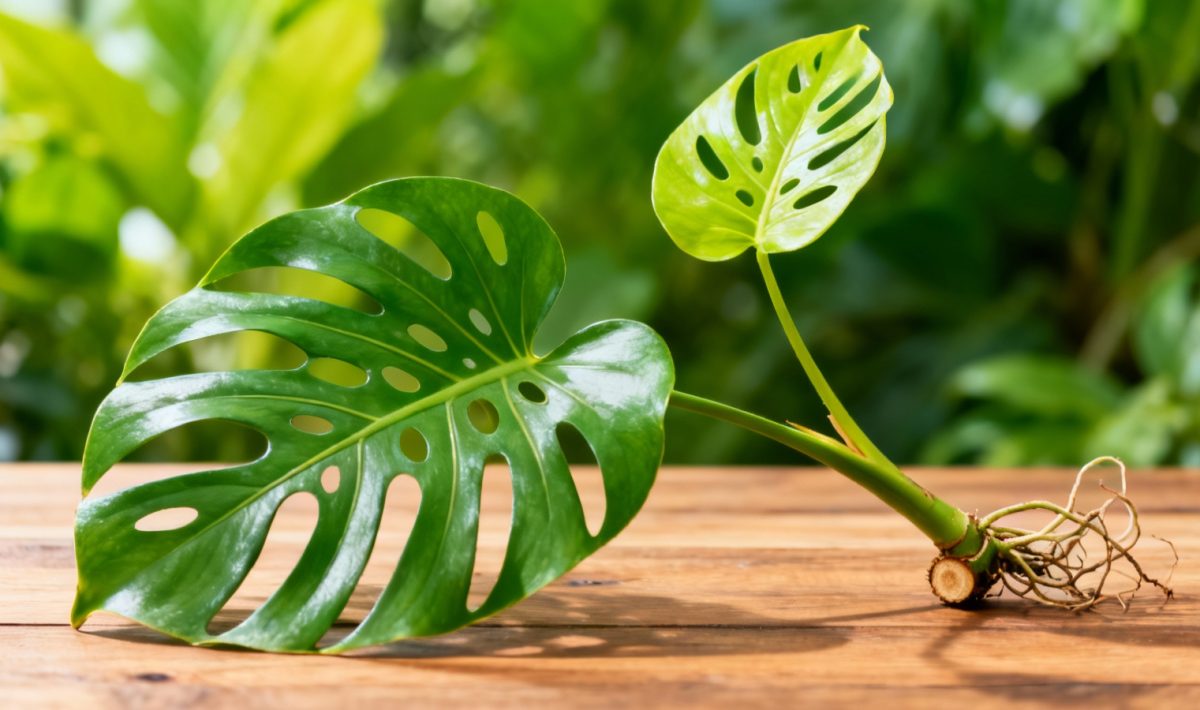
The Monstera obliqua is truly one of the most sought-after houseplants among collectors, and honestly, I can see why everyone’s going crazy for it. This stunning tropical plant from Central and South America creates the most delicate, paper-thin leaves with intricate fenestrations that look like natural stained glass windows.
What makes this plant so special is its incredible rarity and the unique character of its foliage. Unlike its more common cousin the Monstera deliciosa, the obliqua develops leaves that are almost entirely made up of holes, creating an ethereal, lace-like appearance that’s absolutely breathtaking when mature.
Understanding Monstera obliqua characteristics
The first thing you’ll notice about this remarkable plant is how different it looks from other monstera species. The leaves rarely exceed 8 inches in length and have this incredibly thin, almost translucent quality that sets them apart from the thick, robust foliage of other tropical plants.
In its natural habitat across Peru, Panama, and parts of Brazil, this species grows as an epiphyte, climbing up trees in the humid forest understory. This climbing nature means it develops aerial roots that help it attach to supports and absorb moisture from the air around it.
The fenestrations develop as the plant matures, starting with small perforations that gradually expand until some leaves become more hole than leaf material. This adaptation likely helps the plant withstand strong winds in its native environment while maximizing light capture in the forest canopy.
Essential light requirements for healthy growth
Getting the lighting right is absolutely crucial for your Monstera obliqua’s success. These plants thrive in bright, indirect light that mimics the dappled sunlight filtering through the forest canopy in their native habitat.
I’ve found that placing them near an east-facing window works beautifully, where they receive gentle morning light without the harsh intensity of direct afternoon sun. If you only have south or west-facing windows, position your plant a few feet back from the glass or use a sheer curtain to diffuse the light.
Direct sunlight can quickly scorch those delicate, paper-thin leaves, causing unsightly brown patches that won’t recover. On the flip side, insufficient light will slow growth dramatically and may prevent the development of those coveted fenestrations that make this plant so special.
Signs your plant needs better lighting
Watch for these telltale signs that indicate lighting issues. New leaves emerging without fenestrations often signal inadequate light, while yellowing or brown patches suggest too much direct sun exposure.
Leggy growth with long spaces between leaves is another clear indicator that your plant is stretching toward better light sources. In these cases, gradually move your plant to a brighter location over several weeks to avoid shocking it.
Watering and humidity management
Water management can make or break your success with this finicky species. The key is maintaining consistent moisture without waterlogging the roots, which can quickly lead to rot in these sensitive plants.
I typically water when the top inch of soil feels dry to the touch, usually every 7-10 days during the growing season. However, this varies significantly based on your home’s temperature, humidity levels, and the type of potting mix you’re using.
The humidity requirements are where many people struggle with this plant. Monstera obliqua needs humidity levels between 80-90% to truly thrive, which is much higher than most homes provide naturally. Similar to how you might learn about oleander care and culture for outdoor plants, indoor tropical species require specific environmental conditions.
Consider investing in a humidifier, grouping your plants together, or placing the pot on a pebble tray filled with water. Misting can help temporarily, but be careful not to leave water sitting on those delicate leaves for extended periods.
Soil and potting considerations
The right soil mix is absolutely essential for preventing root rot while ensuring adequate drainage. I recommend a chunky, well-draining mix that includes orchid bark, perlite, and high-quality potting soil in roughly equal proportions.
This epiphytic plant naturally grows with its roots exposed to air in the wild, so replicating those airy conditions in a pot requires a substrate that drains quickly while retaining some moisture. Adding sphagnum moss can help maintain humidity around the roots without creating soggy conditions.
Choose a pot with multiple drainage holes, and never let your plant sit in standing water. Terra cotta pots work well because they’re porous and help excess moisture evaporate, though plastic containers are fine if you’re careful with watering frequency.
When and how to repot
Repotting should be done every 2-3 years or when you notice roots growing through the drainage holes. Spring is the ideal time since the plant is entering its active growing season and will recover more quickly from the stress of repotting.
Use this opportunity to refresh the soil completely and check for any signs of root problems. Healthy roots should be white or light tan, while black or mushy roots indicate rot and should be trimmed away with sterile scissors.
Propagation techniques that actually work
Propagating Monstera obliqua requires patience and the right approach, but it’s absolutely rewarding when successful. The most reliable method involves taking stem cuttings that include at least one node and preferably an aerial root.
Look for sections of stem between leaves that show small bumps or aerial root nubs – these nodes are where new growth will emerge. Cut just below a node using clean, sharp scissors or pruning shears to prevent introducing bacteria to the cutting.
Water propagation works well for this species, though you can also root cuttings directly in a very well-draining mix. If using water, change it every few days to prevent bacterial growth, and expect roots to develop over 4-6 weeks in warm, humid conditions.
Just as you might explore hardy fuchsia propagation techniques for outdoor plants, timing and technique matter significantly for indoor tropical species. Take cuttings during the active growing season for the best success rates.
Caring for newly propagated plants
Young plants need extra attention and slightly different care than mature specimens. Keep them in consistently warm conditions (75-80°F) with very high humidity, almost like creating a mini greenhouse environment.
Reduce watering frequency since smaller root systems can’t process as much moisture, but maintain that crucial humidity through frequent misting or humidity domes. New growth may take several months to appear, so don’t get discouraged if progress seems slow.
Common problems and solutions
Even experienced plant parents can encounter challenges with this demanding species. Root rot is probably the most serious issue, usually caused by overwatering or poor drainage combined with cool temperatures.
Yellowing leaves can indicate several problems: overwatering, insufficient light, or natural aging of older foliage. Brown, crispy leaf edges typically signal low humidity or inconsistent watering, while pale new growth often means the plant needs more light to develop properly.
Spider mites can be problematic in dry conditions, appearing as tiny webs and stippling on leaf surfaces. Regular humidity maintenance usually prevents these pests, but if they appear, treat immediately with insecticidal soap or neem oil.
Temperature fluctuations can stress these plants significantly, so keep them away from heating vents, air conditioning units, and drafty windows. Consistent warmth between 65-80°F works best for maintaining healthy growth.
Fertilizing for optimal growth
During the growing season from spring through early fall, feed your Monstera obliqua monthly with a diluted, balanced liquid fertilizer. I typically use a 20-20-20 formula diluted to quarter strength to avoid burning those sensitive roots.
Over-fertilizing can actually harm these plants more than under-feeding, so err on the side of caution. Signs of nutrient excess include salt buildup on soil surface, brown leaf tips, or unusually rapid growth that produces weak, pale foliage.
Stop fertilizing completely during winter months when growth naturally slows. The plant doesn’t need extra nutrients during this dormant period, and fertilizer can accumulate in the soil and cause problems when growth resumes in spring.
Understanding the specific needs of different plant species is crucial for success. Whether you’re working with tropical houseplants or learning to discover the southern magnolia characteristics for outdoor cultivation, each species has unique requirements that must be respected.
Creating the perfect environment
Success with Monstera obliqua often comes down to creating a stable microclimate that mimics its natural habitat. This means maintaining consistent temperature, humidity, and light conditions rather than letting environmental factors fluctuate dramatically.
Consider dedicating a specific area of your home to tropical plants where you can control these factors more easily. A bathroom with a skylight, for instance, might provide the perfect combination of bright indirect light and naturally higher humidity levels.
Support structures become important as your plant matures and develops its climbing habit. Moss poles, trellises, or even simple bamboo stakes help the plant develop its natural growth pattern while preventing damage to those delicate aerial roots.
Just as you would understand pepper plant care methods for vegetable gardening, understanding the natural growth habits of your houseplants helps you provide better care tailored to their specific needs.
The investment in time and attention required for Monstera obliqua care is significant, but the reward of successfully growing this botanical treasure makes every effort worthwhile. With patience, consistent care, and attention to environmental details, you can enjoy the unique beauty of this extraordinary plant for years to come.

Allan is a lifelong gardening enthusiast who still gets excited when the first seedlings pop up in spring. With a deep love for nature and a hands-in-the-soil approach, he shares practical tips, plant discoveries, and clever tricks picked up over years of digging, planting, and observing. Whether you’re a new gardener or have a shed full of tools, Allan writes like a neighbor who’s always happy to swap cuttings and stories over the fence.
You can find more about Allan’s work on Malt or connect with him on LinkedIn.


