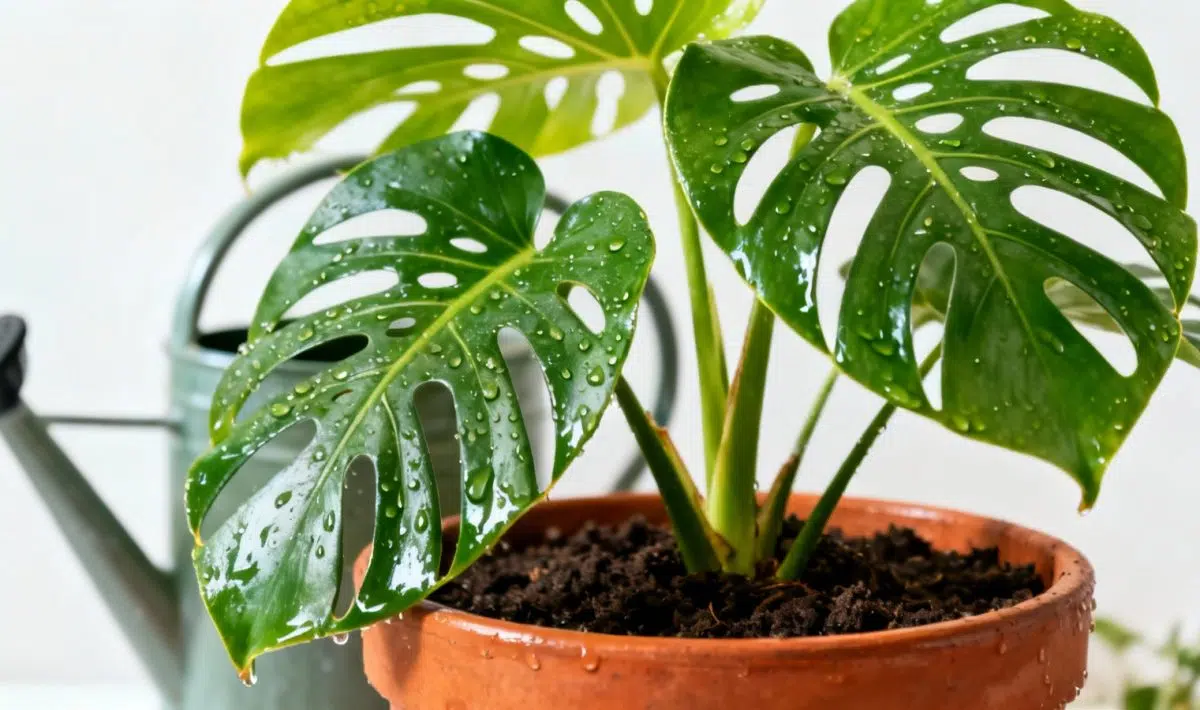
How often should you water your Monstera obliqua for healthy plants
The Monstera obliqua stands as one of the most coveted plants in the tropical houseplant world. With its distinctive fenestrated leaves and delicate structure, this rare beauty requires a precise watering approach that differs significantly from its more common relatives. Understanding how often should you water your Monstera obliqua becomes essential for maintaining the health and spectacular appearance of this extraordinary plant.
Why proper watering matters for your Monstera obliqua
This particular Monstera variety presents unique challenges that make water management crucial for its survival. Unlike the robust Monstera deliciosa, the obliqua has thinner, more delicate leaves that make it incredibly sensitive to both overwatering and drought stress. The plant’s natural habitat in the rainforests of Central and South America provides constant humidity with excellent drainage, conditions that we must replicate at home.
Overwatering represents the most common threat to Monstera obliqua health. The plant’s delicate root system can quickly develop rot when exposed to waterlogged soil for extended periods. Conversely, allowing the soil to become bone dry can stress the plant and cause the beautiful fenestrated leaves to curl and brown at the edges.
The differences between obliqua and other Monsteras become particularly apparent when examining their water needs. While a Monstera deliciosa might forgive occasional watering mistakes, the obliqua demands more precise attention. This makes understanding proper watering techniques absolutely essential for anyone looking to cultivate this remarkable plant successfully.
Optimal watering frequency for Monstera obliqua
During the growing season from spring through early fall, you should water your Monstera obliqua approximately once per week. However, this frequency depends entirely on environmental factors and soil conditions rather than following a rigid schedule. The key lies in checking the top inch of soil regularly and watering only when it feels dry to the touch.
Several factors influence how often your plant will need water. Temperature plays a significant role, as warmer conditions increase evaporation rates and plant transpiration. Humidity levels also affect watering needs – plants in dry environments require more frequent watering than those in naturally humid spaces. The type of soil mix you use matters tremendously, with well-draining blends requiring more frequent watering than heavy potting mixes.
When you do water, provide a thorough soaking until water drains from the bottom of the pot. This ensures that the entire root system receives moisture and helps flush out any accumulated salts from the soil. Always use room temperature water to avoid shocking the delicate roots, and consider using filtered or rainwater if your tap water has high mineral content.
Just as you might research proper watering for common hornbeams for outdoor gardening, understanding indoor plant watering requires attention to seasonal changes and environmental factors.
Seasonal watering adjustments
Winter watering requires significant adjustments to your routine. During cooler months, reduce watering frequency to approximately every 10-14 days, as the plant’s growth slows considerably. Lower temperatures and reduced light levels mean the Monstera obliqua uses less water, making it more susceptible to root rot if you maintain summer watering schedules.
The ideal temperature range for this plant falls between 65-75°F (18-24°C). Higher temperatures increase the plant’s water needs, while cooler conditions slow metabolism and reduce water uptake. Monitor your home’s temperature patterns and adjust watering accordingly, always checking soil moisture levels before adding water.
Spring represents the perfect time to resume more frequent watering as the plant emerges from its winter dormancy. You’ll notice new growth appearing, signaling that the plant is ready for increased water and nutrients. This gradual transition helps prevent shock and supports healthy development throughout the growing season.
Signs of proper watering
A well-watered Monstera obliqua displays vibrant green fenestrated leaves that maintain their structure without wilting or curling. The soil should feel slightly moist but never soggy, and you shouldn’t see standing water in the drainage tray more than an hour after watering.
Watch for warning signs that indicate watering problems. Yellow leaves often signal overwatering, especially when accompanied by musty odors from the soil. Brown, crispy leaf edges typically indicate underwatering or low humidity levels. Wilting can occur from both extremes, making soil moisture checks essential for proper diagnosis.
Similar to how you might learn about watering tips for Boston ferns to understand tropical plant care, observing your Monstera’s responses helps you develop the perfect watering routine for your specific environment.
Tools and techniques for success
Investing in a moisture meter can eliminate guesswork from your watering routine. These inexpensive tools provide accurate readings of soil moisture levels, helping you determine the perfect timing for watering. Insert the probe into the soil at multiple points around the pot to get an accurate assessment of overall moisture levels.
The finger test remains one of the most reliable methods for checking soil moisture. Insert your finger approximately one inch deep into the soil. If it feels dry at this depth, your plant is ready for water. If you detect any moisture, wait another day or two before checking again.
Consider the weight method as an additional technique. Lift your pot immediately after thorough watering to feel its full weight, then check it again a few days later. As the soil dries, the pot becomes noticeably lighter, providing another indicator for watering timing.
Creating the ideal growing environment
Beyond watering frequency, creating proper environmental conditions supports your Monstera obliqua’s overall health. Maintain humidity levels between 60-80% using a humidifier, pebble trays, or grouping plants together. This higher humidity reduces water stress and supports the development of those characteristic fenestrations.
Proper drainage becomes absolutely critical for this plant’s success. Use a well-draining potting mix that contains perlite, bark chips, or other drainage amendments. Ensure your pot has adequate drainage holes, and never allow the plant to sit in standing water for extended periods.
Just as you might research best watering practices for cinquefoils for garden plants, understanding that different plants have unique needs helps you provide appropriate care for each variety in your collection.
Troubleshooting common watering issues
If you notice your Monstera obliqua developing yellow leaves despite careful watering, examine other factors that might contribute to stress. Poor drainage, low light conditions, or pest problems can all manifest as watering-related symptoms. Address these underlying issues alongside adjusting your watering routine.
Root rot requires immediate attention and often necessitates repotting with fresh, well-draining soil. Remove the plant from its pot, trim away any black or mushy roots, and allow the remaining healthy roots to dry slightly before repotting. Reduce watering frequency significantly until new growth appears.
For plants experiencing drought stress, gradually increase watering frequency rather than immediately saturating dry soil. This prevents shock and allows the plant to recover steadily. Consider increasing humidity levels temporarily to support recovery.
Learning about watering needs for various plants, such as understanding how to water your African-lily effectively, builds your overall plant care knowledge and helps you recognize patterns across different species.
Long-term care considerations
As your Monstera obliqua matures, its watering needs may change slightly. Larger plants in bigger pots typically require less frequent watering as the increased soil volume retains moisture longer. However, they also need more water when you do irrigate them, so adjust your technique accordingly.
Seasonal light changes affect watering requirements throughout the year. During shorter winter days, the plant photosynthesizes less and requires reduced water input. Conversely, bright summer conditions increase water needs, especially if you provide supplemental artificial lighting.
Regular monitoring and adjustment represent the keys to long-term success with this extraordinary plant. Keep detailed records of your watering schedule, environmental conditions, and plant responses to develop the perfect routine for your specific situation. This attention to detail will reward you with a healthy, beautiful Monstera obliqua that becomes the centerpiece of your plant collection.
Allan is a lifelong gardening enthusiast who still gets excited when the first seedlings pop up in spring. With a deep love for nature and a hands-in-the-soil approach, he shares practical tips, plant discoveries, and clever tricks picked up over years of digging, planting, and observing. Whether you’re a new gardener or have a shed full of tools, Allan writes like a neighbor who’s always happy to swap cuttings and stories over the fence.
You can find more about Allan’s work on Malt or connect with him on LinkedIn.