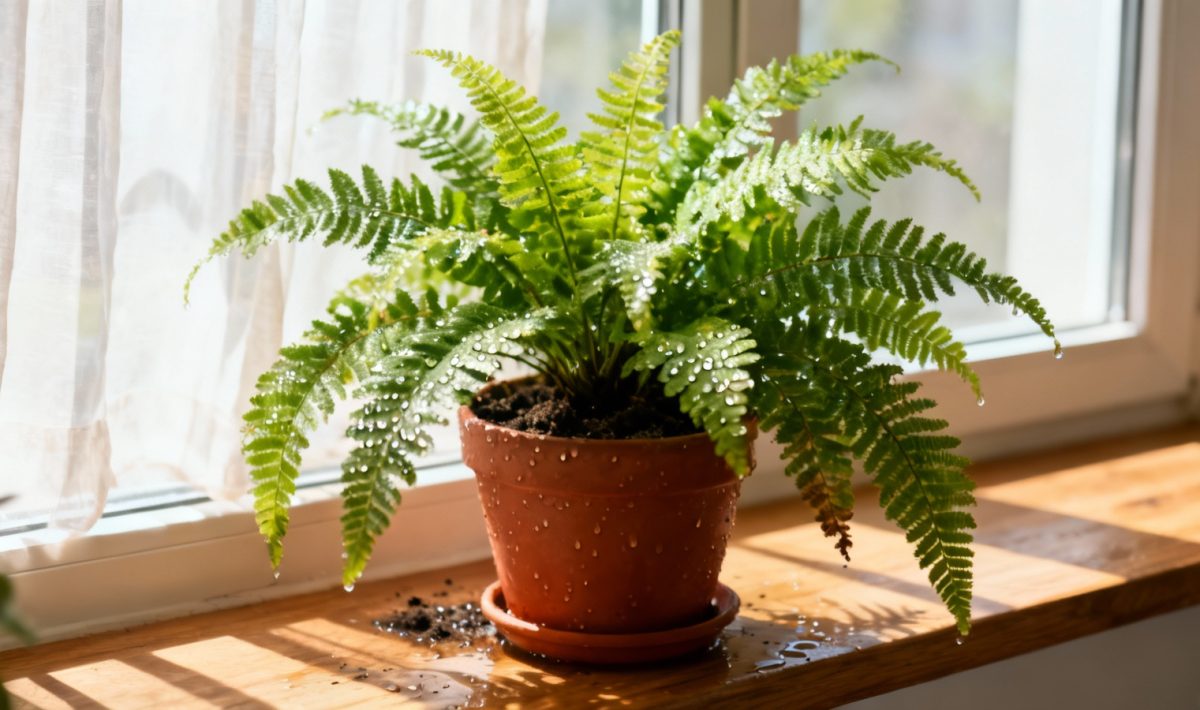
Boston ferns are among the most beloved houseplants for good reason. These gorgeous green beauties bring a touch of tropical elegance to any room with their cascading fronds and lush appearance. However, understanding how often should you water your Boston fern can make the difference between a thriving plant and a struggling one.
Originally from humid tropical regions, Boston ferns naturally crave consistent moisture without becoming waterlogged. The key lies in maintaining that delicate balance where the soil stays evenly moist but never soggy. This isn’t just about following a strict schedule – it’s about understanding your plant’s unique needs based on your home’s conditions.
Several factors influence your fern’s water requirements, including light levels, humidity, temperature, and the season. During active growing periods in spring and summer, your plant will naturally need more water than during the dormant winter months. Understanding these patterns helps you develop an intuitive approach to plant care.
The ideal watering frequency for Boston ferns
Most Boston ferns thrive when watered once or twice per week during their growing season. However, this general guideline should be adjusted based on your specific environment. In hot, dry conditions or bright light, you might need to water more frequently, while cooler temperatures and lower light conditions call for less frequent watering.
The best way to determine when your fern needs water is the finger test. Simply stick your finger about an inch into the soil – if it feels dry, it’s time to water. If it’s still moist, wait another day or two before checking again. This hands-on approach is far more reliable than following a rigid schedule.
During winter months, reduce watering frequency significantly. Your Boston fern enters a period of slower growth and requires less moisture. You might find yourself watering only every 10-14 days, depending on your home’s heating and humidity levels. The key is to never let the soil become bone dry, but also avoid keeping it constantly wet.
Signs your Boston fern needs water
Learning to read your plant’s signals is essential for successful care. Yellowing or browning frond tips often indicate inconsistent watering – either too much or too little. Crispy, dry edges on the leaves typically signal underwatering, while musty smells and black, soggy roots point to overwatering issues.
Healthy Boston ferns should have vibrant green fronds that feel slightly flexible but not limp. When properly hydrated, the soil should feel like a wrung-out sponge – moist but not dripping. If you notice your fern’s fronds becoming droopy despite moist soil, you might be dealing with root rot from overwatering.
Proper watering techniques and water quality
The quality of water you use matters tremendously for Boston ferns. These plants are sensitive to chemicals commonly found in tap water, such as chlorine and fluoride. If possible, use filtered water, rainwater, or let tap water sit out overnight to allow chemicals to evaporate.
When watering, aim for a thorough soak rather than frequent light sprinklings. Water slowly until you see excess draining from the bottom holes, then empty the saucer after 30 minutes to prevent the plant from sitting in standing water. This ensures the entire root system receives moisture while preventing waterlogged conditions.
Many plant enthusiasts find that bottom watering works exceptionally well for Boston ferns. Place your pot in a shallow dish of water and allow the plant to absorb moisture from below. This method ensures even hydration while reducing the risk of getting water on the fronds, which can lead to fungal issues.
Just as you might follow a watering schedule for satin pothos, Boston ferns benefit from consistent care routines. However, unlike some other houseplants, ferns require more attention to humidity levels and soil moisture.
Humidity considerations
Boston ferns are humidity lovers, requiring levels between 40-60% for optimal health. Low humidity can cause brown, crispy edges even when soil moisture is adequate. Consider using a humidity tray, grouping plants together, or running a humidifier to maintain proper moisture levels in the air.
Misting can provide temporary humidity relief, but avoid getting water directly on the fronds as this can promote fungal growth. Instead, mist around the plant or focus on increasing ambient humidity through other methods.
Seasonal watering adjustments
Just like outdoor plants need different care throughout the year, Boston ferns require seasonal watering adjustments. Spring and summer represent peak growing seasons when your fern produces new fronds and expands its root system. During these months, maintain consistent moisture and be prepared to water more frequently.
Fall begins the transition period when growth slows and water needs decrease. Start reducing watering frequency gradually, allowing the top inch of soil to dry between waterings. This preparation helps your plant adjust to winter’s dormant period.
Winter watering requires the most careful attention. Indoor heating can create surprisingly dry conditions, but your fern’s metabolic processes have slowed significantly. Monitor soil moisture carefully and water only when the top layer feels dry. Overwatering during winter is one of the most common causes of Boston fern decline.
Tree care principles apply to houseplants too – understanding that plants have natural growth cycles helps you provide appropriate care. Much like following ideal watering for Japanese maples outdoors, indoor plants benefit from seasonal awareness.
Environmental factors affecting water needs
Your home’s specific conditions greatly influence how often you should water your Boston fern. Homes with forced air heating tend to be drier, requiring more frequent watering and additional humidity measures. Air conditioning can also affect moisture levels, though typically less dramatically than heating systems.
Light exposure plays a crucial role in water consumption. Ferns in brighter locations will use water more quickly than those in low-light areas. However, Boston ferns prefer indirect light, so if yours is in a very bright spot, consider relocating it rather than simply increasing watering frequency.
Common watering mistakes to avoid
One of the biggest mistakes new plant parents make is following a rigid watering schedule without considering their plant’s actual needs. Environmental conditions change throughout the year, and your watering routine should adapt accordingly. What works in humid summer months won’t be appropriate during dry winter conditions.
Overwatering ranks as the number one killer of Boston ferns. These plants can recover from brief periods of drought, but they rarely survive prolonged waterlogged conditions. Root rot develops quickly in constantly wet soil and can be difficult to reverse once established.
Using cold water straight from the tap can shock your fern’s roots. Always use room temperature water to avoid stressing your plant. Additionally, avoid getting water on the crown or center of the plant, as this area is particularly susceptible to rot.
Plant care knowledge transfers across species – understanding watering principles for one plant often helps with others. For instance, watering tips for Japanese meadowsweet emphasize similar soil moisture monitoring techniques.
Recovery from watering mistakes
If you suspect you’ve been overwatering, act quickly to save your fern. Remove the plant from its pot and examine the roots. Healthy roots should be white or light brown and firm to the touch. Black, mushy roots indicate rot and should be trimmed away with sterile scissors.
Repot in fresh, well-draining potting mix and reduce watering frequency significantly while your plant recovers. Place it in bright, indirect light and monitor closely for signs of new growth, which indicates successful recovery.
Setting up for long-term success
Creating the right environment for your Boston fern reduces watering guesswork and promotes healthy growth. Choose a location with consistent indirect light and good air circulation. Avoid placing your fern near heating vents, air conditioning units, or drafty windows.
Invest in a moisture meter if you’re unsure about soil conditions. These inexpensive tools take the guesswork out of watering by providing accurate readings of soil moisture levels. They’re particularly helpful while you’re learning your plant’s specific needs.
Consider the pot size and drainage when establishing your care routine. Boston ferns prefer slightly crowded roots, so don’t rush to repot. However, ensure your container has adequate drainage holes and use a high-quality potting mix designed for houseplants or ferns specifically.
Interestingly, some watering principles apply across very different plant types. The attention to soil moisture that works for lemon tree watering guidelines can inform your approach to fern care, even though the specific needs differ greatly.
Monitoring and adjusting your routine
Successful Boston fern care requires ongoing observation and adjustment. Keep notes about your watering frequency and your plant’s response. This record-keeping helps you identify patterns and optimize your care routine over time.
Watch for subtle changes in your fern’s appearance that might indicate watering issues before they become serious problems. Slight yellowing of older fronds is normal, but widespread yellowing or sudden leaf drop suggests watering problems.
Remember that each plant is unique, even within the same species. Factors like pot size, soil composition, and microclimate in your home all influence water needs. What works perfectly for one Boston fern might need adjustment for another.
Plant care often involves learning from experience with different species. Techniques that work well for watering rose of sharon plants might offer insights into understanding plant hydration needs, even though the specific requirements differ.
With patience and attention to your plant’s signals, you’ll develop an intuitive understanding of your Boston fern’s water needs. The reward for this careful attention is a lush, healthy plant that brings natural beauty and improved air quality to your home for years to come.
Allan is a lifelong gardening enthusiast who still gets excited when the first seedlings pop up in spring. With a deep love for nature and a hands-in-the-soil approach, he shares practical tips, plant discoveries, and clever tricks picked up over years of digging, planting, and observing. Whether you’re a new gardener or have a shed full of tools, Allan writes like a neighbor who’s always happy to swap cuttings and stories over the fence.
You can find more about Allan’s work on Malt or connect with him on LinkedIn.